Post-ride sharers
Cyclists dividing a low-preparation fruit snack or dessert after a club ride, commute or indoor session, rather than carrying a tin to eat while moving.


For fruit to divide after a ride or at a planned stop, choose a tin with a stated drained weight and a portion size that suits your group. Check whether it is packed in juice or syrup and how to store leftovers. A shared tin can be part of a snack or dessert, but plan food and fluids for a longer ride separately; British Cycling advises considering additional fuel for commutes lasting more than an hour.
Cyclists dividing a low-preparation fruit snack or dessert after a club ride, commute or indoor session, rather than carrying a tin to eat while moving.
Consumers comparing packing liquids, ingredients, carbohydrate information, drained weight and storage instructions before choosing fruit for a shared portion.
Riders considering fruit as part of a meal or planned stop while keeping food and drink for the ride itself as a separate decision. British Cycling advises considering additional fuel for longer commutes.
Decide when you will serve the fruit, then compare the usable amount, packing liquid and instructions for any leftovers.
| Concern | What to check | Who this matters to |
|---|---|---|
| Shareable portions | Compare drained weight rather than can weight alone, and check the fruit-piece format. | When dividing fruit after a ride, I need enough drained fruit for the group; about 31% of consumers put shareable portions first. |
| Packing liquid and label | Read the ingredients and carbohydrate values on a consistent per-100g basis, then consider your intended portion. | For a planned dessert, I want to know what the fruit is packed in before choosing a portion; roughly 31% of consumers prioritise the packing liquid and nutrition label. |
| Ride timing | Decide whether the tin is for home or a planned stop, and plan food and fluids for the ride separately. | If the fruit is for a stop rather than for eating while cycling, I need to plan what to carry on the bike; about 23% of consumers put ride timing first. |
| Leftovers | Check the product-specific opened-storage instructions and whether you can use the remaining fruit in time. | A large tin may leave fruit after everyone has been served, so I need a workable plan for what remains; roughly 15% of consumers put leftover management first. |
Can weight includes the packing liquid. Tesco lists 270g drained fruit for its 425g Tropical Fruit Salad, while the Del Monte Pineapple Chunks in Juice product cited by Sainsbury’s lists 260g drained fruit in a 435g can.
Compare drained weights and decide how many portions you intend to serve.
A tin served at home or a stop does not cover the practical need for accessible food and drink during a sustained ride. British Cycling advises considering additional fuel for commutes lasting more than an hour.
Choose the fruit for a planned eating occasion, and make a separate plan for what you will carry and drink while cycling.
Opened-storage instructions differ: Tesco gives two days for its Tropical Fruit Salad, while the cited Del Monte pineapple chunks give three to four days, with refrigeration required.
Check the exact label before opening and follow its instructions for transferring and storing unused fruit.
GOV.UK explains that a best-before date concerns quality rather than safety. That distinction applies to food marked best before, not to food marked use by.
Read the date type, storage instructions and packaging condition rather than relying on the date alone.
One shareable example is Pineapple Chunks in Juice 435g, listed by Sainsbury’s with 260g drained fruit.
Princes lists Pineapple Slices in Juice in 432g and 227g formats, offering different can sizes for a plated serving.
Tesco Tropical Fruit Salad 425g combines pineapple, papaya and guava in fruit juices and lists 270g drained fruit.
The M&S tinned-fruit range lists options including 560g rhubarb chunks and 540g grapefruit segments.
These tinned-fruit options are for a planned shared snack or dessert around cycling. Compare their fruit format and packing liquid, then check the individual label when portion size or leftover storage will affect your choice.
 Image unavailable
For a plated fruit portion after a ride, consider whether slices suit the way your group will serve them. This 435g product is pineapple slices in juice; check the drained weight and opened-storage instructions on the label.
 Image unavailable
Peach halves are an option when you plan to serve fruit in a bowl after cycling. The product name identifies a 415g pack in juice; compare its drained weight with the portions you need and follow its label for leftovers.
 Image unavailable
If chunks suit the way you plan to divide fruit at a stop, check the drained weight and serving information before buying. This 432g product is pineapple chunks with juice.
 Image unavailable
For a planned shared dessert, pear halves offer another fruit format to consider. This 415g product is packed in juice; check its drained weight to judge portions and follow the opened-storage directions.
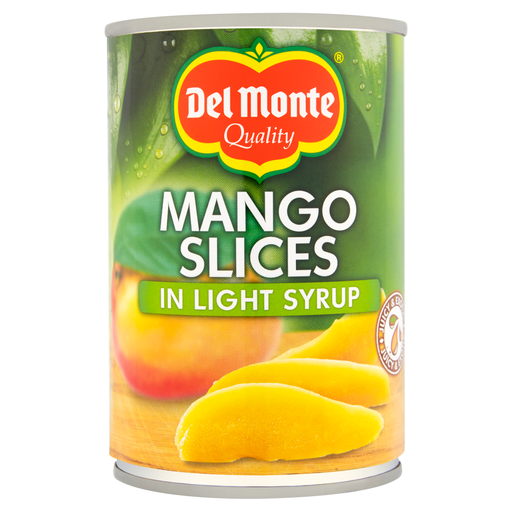 Image unavailable
For a shared mango dessert, this 425g sliced-fruit option is packed in light syrup rather than juice. Read its ingredients and nutrition label on the stated basis when comparing it with juice-packed tins.
Yes. The NHS Eatwell Guide includes tinned fruit among its fruit and vegetable choices. That does not make a tinned-fruit dessert a complete plan for eating and drinking during a ride.
It is generally more practical at home or at a planned stop than while riding. If your ride calls for food or drink along the way, plan items you can access when needed; British Cycling advises considering additional fuel for commutes lasting more than an hour.
Not necessarily. British Cycling’s commuting guidance suggests considering a sports drink or additional fuel when a commute lasts more than an hour. Plan around the length and demands of your own ride rather than treating a shared fruit dessert as the on-bike provision.
Follow the instructions for the exact product. Tesco Tropical Fruit Salad calls for transferring unused fruit to a non-metallic container, covering, refrigerating and consuming it within two days; the cited Del Monte Pineapple Chunks in Juice product gives three to four days for refrigerated leftovers.
No. GOV.UK explains that a best-before date concerns quality rather than safety. This applies to food marked best before, not use by; check the storage instructions and packaging condition as well.