Family-dessert planners
If you are making a trifle or fruit salad to share, work out how much drained fruit the dish needs before deciding between one tin and several. A Princes trifle recipe, for instance, uses two 410g tins of fruit cocktail.


For a shared fruit salad, yoghurt dessert or trifle, choose the pack by the amount of fruit you need after draining, not just the weight printed on the front of a tin. Fruit in juice suits a dessert where you do not want syrup sweetness; light syrup is an option when its sweetness and liquid are part of the recipe. Several tins can serve a shared dish, while portioned pots suit separate desserts and leave fewer opened containers.
If you are making a trifle or fruit salad to share, work out how much drained fruit the dish needs before deciding between one tin and several. A Princes trifle recipe, for instance, uses two 410g tins of fruit cocktail.
If the fruit is going into yoghurt or a dessert with other sweet ingredients, the packing liquid matters. NHS guidance recommends choosing canned fruit in natural juice or water with no added sugar or salt.
If guests will have individual desserts, smaller packs may be easier to divide. Check the instructions for any fruit left after opening; the time allowed can differ between products.
For a family Valentine’s Day dessert, settle the amount of usable fruit first, then choose the packing liquid and a format that fits how you will serve it.
| Concern | What to check | Who this matters to |
|---|---|---|
| Enough fruit to share | Compare drained weight and stated servings with your recipe. Tesco Groceries lists 247g drained fruit for a 410g Princes fruit-cocktail tin. | If I am filling several bowls or making one large dessert, I need enough fruit after the liquid is drained. About 42% of consumers put usable fruit quantity first. |
| Juice or syrup | Read the packing-medium wording and ingredients on the exact product; compare its sugars per 100g if sweetness matters to your choice. | When other dessert ingredients provide the sweetness, I would rather choose the fruit’s liquid deliberately. Around 33% of consumers make packing liquid and sweetness their primary concern. |
| Portions and leftovers | Compare a shared tin with smaller packs or individual pots, and read the after-opening storage instructions. | For separate desserts, I want to open only what I expect to serve and have a plan for anything left. Roughly 25% of consumers prioritise portioning and leftover handling. |
Net weight includes the packing liquid. Tesco Groceries lists a 410g Princes fruit-cocktail tin with 247g drained fruit, so its front-of-pack weight is not the amount you would serve after draining.
Use drained weight alongside the recipe quantity and stated servings when deciding how many tins to buy.
The liquid affects how the fruit fits a dessert. A syrup-packed fruit cocktail may suit a recipe that uses the sweet liquid, whereas fruit in juice avoids adding syrup to the dish.
Check the packing medium, ingredients and nutrition panel on the particular tin rather than relying on the fruit name alone.
After-opening instructions vary: M&S directs shoppers to refrigerate its grapefruit segments and eat them within two days, while Sainsbury’s lists three days for Ambassador fruit cocktail in light syrup.
Read the instructions on the pack you buy and choose smaller portions if they fit your dessert better.
For dietary or storage decisions, the packaging in hand is the practical place to confirm the exact fruit, packing liquid and instructions.
Check its ingredients, allergen information where relevant, date marking and storage directions before serving.
Fruit-cocktail options for a shared dessert or a smaller serving.
Mixed-fruit and single-fruit options for different dessert recipes.
A range where shoppers can compare tins with individual fruit portions.
A catalogue with own-label single fruits and branded fruit-cocktail formats.
Single-fruit choices for desserts built around a particular ingredient.
These selections cover fruit cocktail in juice for a shared dish, single-fruit tins for a particular recipe, and peach pots for separate portions. Check drained weight and serving information on the pack when planning a family-sized dessert.
 No image available
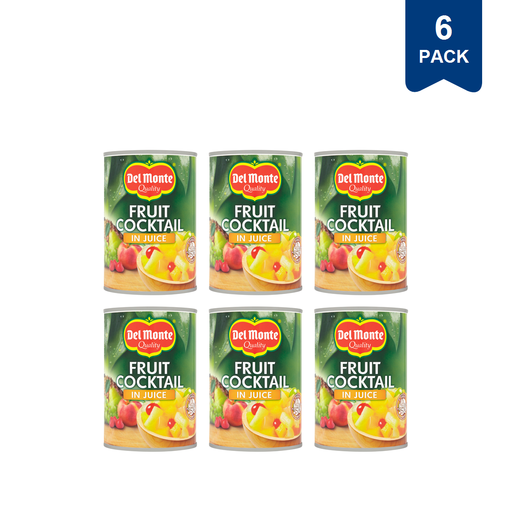
Six tins offer a way to plan a shared mixed-fruit dessert across more than one can. Check the drained weight on the pack to decide how many tins your recipe needs.
 No image available
A single tin suits a mixed-fruit dessert when the recipe calls for a smaller quantity or you are combining fruit with other ingredients. Use the pack’s drained weight and serving information to judge whether one tin is enough.
 No image available
Peach halves fit a dessert where you want one named fruit rather than a mixed cocktail. Plan the number of tins from the drained quantity needed for your servings.
 No image available
This single-fruit tin suits a pineapple-based fruit salad or dessert. Its stated two servings are a starting point; check the usable fruit quantity against the portions you intend to make.
 No image available
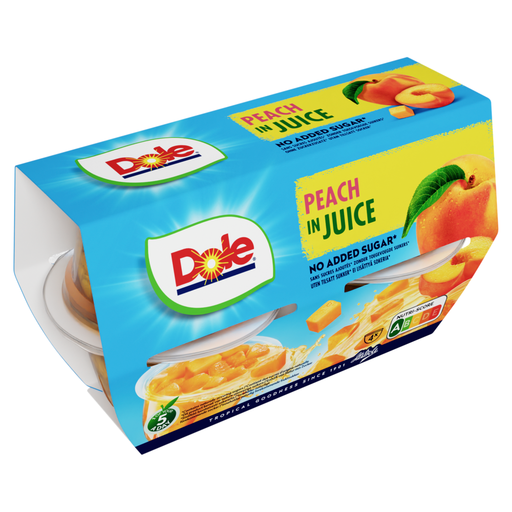
Four separate peach pots suit individual desserts rather than one large mixed-fruit recipe. Check whether four portions match the number of people you are serving.
Start with the recipe and the fruit’s drained weight, then check the stated servings. Tesco Groceries lists 247g drained fruit for one 410g Princes fruit-cocktail tin, while a Princes trifle recipe uses two 410g tins; neither figure is a serving rule for every dessert.
Choose juice when you do not want syrup sweetness in the dessert; choose light syrup when the recipe deliberately uses its sweet liquid. NHS guidance recommends canned fruit in natural juice or water with no added sugar or salt, and the exact product label lets you compare ingredients and sugars per 100g.
Follow the storage directions on the particular pack rather than applying one time limit to all fruit. M&S instructs shoppers to transfer its opened grapefruit segments to a non-metallic container, refrigerate and eat them within two days; Sainsbury’s gives three days for its listed Ambassador fruit cocktail.
Check that the fruit and packing medium match your recipe, then read the ingredients, relevant allergen information, date marking and storage instructions on the pack. For quantity planning, look for drained weight as well as net weight.