Late-night dessert seekers
If plain fruit does not feel like enough of a treat, you can choose between fruit in syrup, a filling, a jelly pot or fruit to serve with your own topping.


Choose fruit in juice if you want a fruit base and would rather add yoghurt, cream or ice cream yourself. Choose syrup-packed fruit, a fruit filling or a jelly-style pot when you want a more dessert-led format; check the ingredients, portion size and after-opening instructions before deciding.
If plain fruit does not feel like enough of a treat, you can choose between fruit in syrup, a filling, a jelly pot or fruit to serve with your own topping.
Fruit in juice lets you decide what, if anything, to add. Compare the ingredients and nutrition panel of the exact product rather than judging it by the packing medium alone.
A smaller pot may suit one snack. If you choose a can, check its after-opening instructions and whether you can use the remainder within the stated period.
For a midnight snack, decide whether you want a ready-to-spoon dessert component or fruit you can dress up yourself, then choose a pack size you can use.
| Concern | What to check | Who this matters to |
|---|---|---|
| Dessert format | Check whether the pack contains fruit in juice or syrup, a thickened filling, or fruit in jelly. | If I want to spoon out a dessert without adding a topping, the format matters more to me than the brand. About 42% of consumers put that dessert-ready format first. |
| Ingredients and sweetness | Read the exact product’s ingredient list and compare nutrition figures on the same per-100g basis. | If I plan to add cream or yoghurt, I may prefer to choose the fruit base and additions separately. For about 33% of consumers, control over ingredients and sweetness is the primary concern. |
| Portions and leftovers | Compare individual pack sizes or portions and, for a can, its after-opening storage instructions. | When I am eating alone, I need to know what I will do with the rest of an opened can. Roughly 25% of consumers prioritise a manageable portion and leftovers. |
Princes peach slices with juice contain peaches and grape juice, while the Princes apple filling listed by Sainsbury’s includes sugar and modified maize starch. They serve different purposes even though both contain fruit.
Compare ingredients and per-100g nutrition for the precise products you are considering.
After-opening instructions vary by product. Sainsbury’s lists a 3–4 day refrigerated period for checked Del Monte fruit, while its Princes apple filling listing says to enjoy refrigerated leftovers within 3 days.
For one snack, consider a smaller pack; otherwise, follow the can’s storage directions and plan how to use the remainder.
An opened can can leave fruit unused if the remaining portion does not fit your plans.
A brand can offer several formats, from fruit in juice to syrup-packed fruit or fillings. The eating experience depends on the particular recipe and how you serve it.
Decide whether you want recognisable fruit, a sweeter packing medium or a prepared dessert component before comparing products.
UK supermarket listings include Del Monte fruit in juice and light syrup, with fruits such as mandarins, pineapple and peaches.
Princes offers canned fruit as well as fruit fillings intended for desserts and baking.
Tesco Groceries lists standard cans alongside smaller fruit and jelly-pot multipacks.
Sainsbury’s product listings provide ingredients, nutrition and storage directions for checked Del Monte and Princes items.
M&S presents tinned fruit as a sweet treat or dessert standby; its checked selection included rhubarb chunks and grapefruit segments.
These products cover dessert-oriented fruit fillings and fruit in syrup, plus pineapple in juice for shoppers who want to choose their own topping.
 No image available
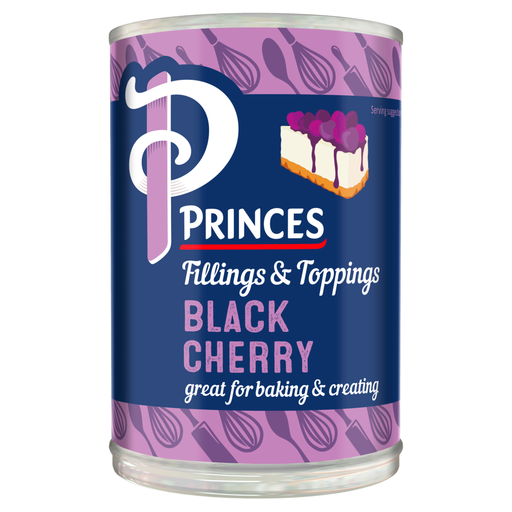
Consider this filling for a cherry dessert topping rather than a can of fruit in juice. The product information warns that cherry stones may be present; check the pack and take care when eating. Refrigerate opened leftovers in a sealed container and use within 3 days.
 No image available
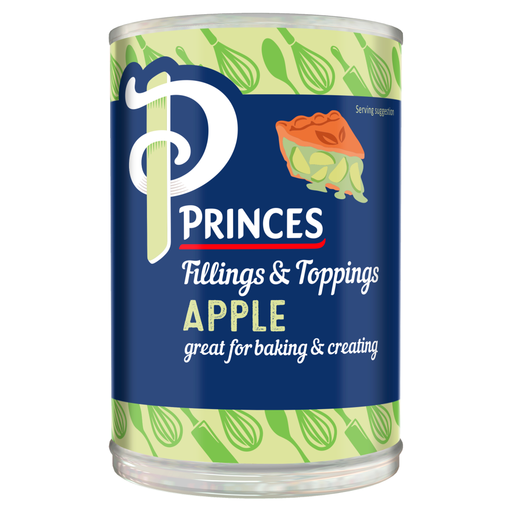
This apple filling suits a prepared dessert or topping rather than someone seeking plain fruit pieces. The Sainsbury’s listing gives 45% apple and lists sugar and modified maize starch among the ingredients. Refrigerate opened leftovers in a sealed non-metallic container and use within 3 days.
 No image available
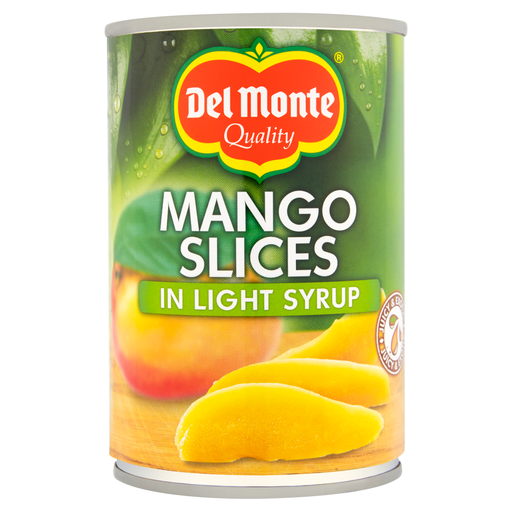
Choose this if you want mango slices packed in light syrup rather than a thickened fruit filling. The pack is 425g; check its ingredient and nutrition information if sweetness matters to you. Transfer opened leftovers to a non-metallic airtight container, refrigerate and use within 3–4 days.
 No image available
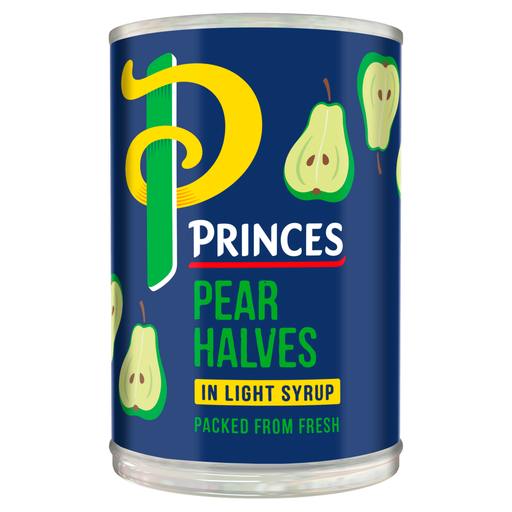
Pear halves in syrup offer a fruit-piece dessert format without the texture of a prepared filling. The can is 410g; check its label when comparing ingredients or portions. Transfer opened leftovers to a sealed container, refrigerate and use within 3 days.
 No image available
Choose pineapple in juice if you want fruit to eat as it is or serve with a topping of your choice. The 432g pack is described as containing two servings, so plan for a remainder if you want only one. Refrigerate opened leftovers in a sealed container and use within 2 days.
Choose fruit in juice if you want to decide whether to add a topping; syrup-packed fruit may suit you if you want that packing medium as part of the dessert. Compare the exact products’ ingredients and per-100g nutrition rather than assuming all juice-packed or syrup-packed fruit has the same recipe.
Follow the instructions on that pack, including its container, refrigeration and use-within directions. Checked Del Monte cans listed by Sainsbury’s say to transfer and refrigerate unused fruit and use it within 3–4 days; its Princes apple filling listing gives a 3-day period. Food Standards Scotland also advises checking the label for after-opening storage instructions.
A best-before date is about quality, not a guarantee that the fruit will retain the same quality afterwards. GOV.UK says food is usually safe after a best-before date but may not be of the same quality; check the can’s condition, how it has been stored and the product instructions. Do not treat a use-by date in the same way: it concerns safety.