What matters when choosing?
Choose the amount you expect to serve first, then compare the liquid and fruit cut for the dessert you have in mind.
| Concern |
What to check |
Who this matters to |
| Portions and leftovers |
Compare tin weight, stated servings and the opened-storage instruction. A tin’s weight does not establish its serving count. |
If I am serving one or two people, I want enough fruit without opening more than I can use or store. About 42% of consumers put portion size and leftovers first. |
| Packing liquid |
Read the ingredients for juice or syrup, then compare sugars per 100g and per serving on the nutrition panel. |
For a dessert where the liquid matters, I want to know what surrounds the fruit rather than assuming similar tins have the same ingredients. About 33% of consumers make the packing liquid and label their primary concern. |
| Fruit cut and presentation |
Check whether the fruit is sliced, halved or cut into chunks, along with any stone, seed or pip warning. |
When I am plating a fruit course or adding fruit to a pudding, the shape of the pieces affects my choice. Fruit format is the main concern for about 25% of consumers. |
Single tins on Joybuy
These tins offer peach slices, prunes, pineapple chunks, peach halves or pear halves for a Sunday-roast fruit course or dessert. Compare their labelled quantities and check the chosen tin’s serving and leftover instructions.
 No image available
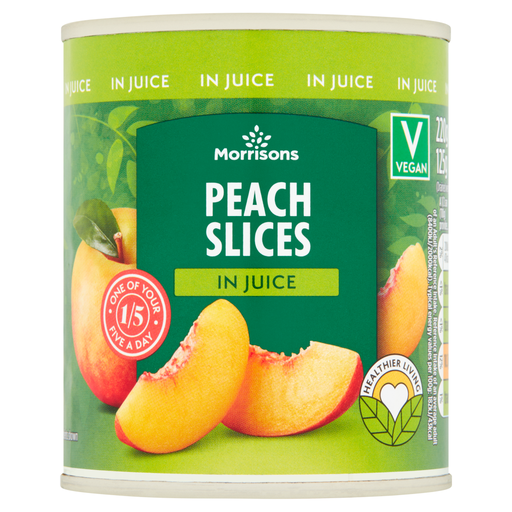
Morrisons Peach Slices in Juice 220g
The 220g tin is a compact choice when you are planning a small fruit course. Check the portions you intend to serve; stone fragments may remain, and the product instructions call for leftovers to be transferred to a non-metallic container, refrigerated and used within two days.
View on Joybuy
 No image available
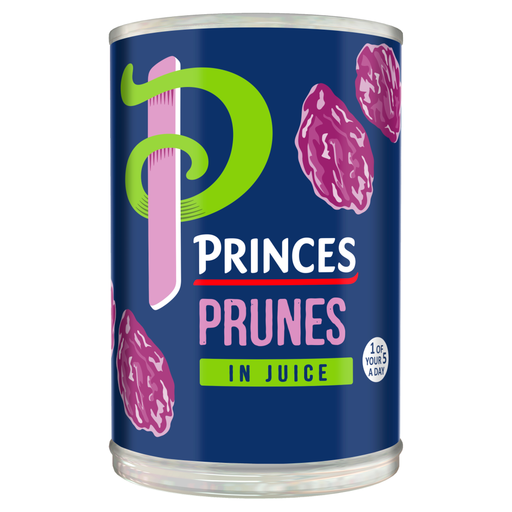
Princes Prunes with Juice 410g
Consider this 410g tin if prunes suit the dessert you plan to serve. The prunes contain stones, so take care when portioning them; refrigerate leftovers in a sealed container and use within two days.
View on Joybuy
 No image available
Princes Pineapple Chunks with Juice 432g
The chunk format offers a different fruit cut for a bowl or dessert recipe. This is a 432g tin in juice; transfer unused contents to a sealed container, refrigerate and use within two days.
View on Joybuy
 No image available
Del Monte Peach Halves in Juice 415g
Choose peach halves if that cut suits your planned presentation. This 415g tin is in juice; check the pack’s serving guidance, any stone warning and its instructions for storing leftovers before planning portions.
View on Joybuy
 No image available
Del Monte Pear Halves in Juice 415g
These pear halves offer a different fruit for a plated course or dessert. The tin contains 415g of fruit in juice; check its serving guidance, any seed or pip warning and the opened-storage instructions on the pack.
View on Joybuy
Frequently asked questions
Does tinned fruit count towards 5 A Day?
Yes. NHS 5 A Day guidance includes tinned fruit and recommends choosing it in natural juice or water with no added sugar or salt. Check the ingredients of the particular tin rather than relying on its fruit name alone.
Should I choose fruit in juice or syrup for a roast dessert?
Choose according to the liquid you want to serve and the ingredients you want to buy. If avoiding added sugar is your priority, NHS 5 A Day guidance recommends tinned fruit in natural juice or water with no added sugar or salt; compare the exact products’ nutrition panels as well.
How should I keep fruit left over from an opened tin?
Follow the exact tin’s label. ASDA instructs consumers to transfer unused contents of its peach and pear tins to a covered, non-metallic container, refrigerate and use within four days; the researched Sainsbury's peach tin specifies use within one day after transfer and refrigeration.
Is a best-before date a safety deadline?
No. GOV.UK distinguishes best-before dates, which concern quality, from use-by dates, which concern safety. Follow the tin’s storage instructions and check its condition rather than treating those two date labels as interchangeable.
What should I check when serving tinned peaches or pears?
Read the product warning and inspect the fruit as you serve it. Warnings on the researched peach and pear products say stones, seeds or pips may remain despite processing, which warrants particular care when serving children.


