For a shared holiday-cottage dessert, choose the fruit type the recipe calls for and check drained weight where it is shown: a tin’s net weight includes its packing liquid. Fruit in juice works when the tin will also be used at breakfast, while syrup-packed fruit suits a dessert planned around a sweeter liquid. Before opening a large tin, check whether the group can use or refrigerate any leftovers within the period stated on its label.
Who is shopping?
Shared-dessert organisers
Planning a trifle, fruit bowl or another dessert for several guests means choosing a suitable fruit mix or cut and working out how much fruit the recipe needs. Princes publishes a trifle recipe using two 410g tins for eight servings.
Breakfast-and-dessert shoppers
If one tin needs to cover yoghurt or breakfast as well as dessert, compare the packing liquid, ingredients and per-100g nutrition panel. Princes lists different ingredients and sugar values for its juice-packed and light-syrup fruit cocktails.
Short-stay shoppers
When the group may leave soon after opening a tin, a smaller pack or a planned second use can help avoid leftovers. Check the chosen product’s refrigeration and use-within directions before deciding how much to open.
What matters when choosing?
For a cottage dessert, settle the recipe’s fruit and portion needs first, then compare packing liquid and what will happen to leftovers.
| Concern |
What to check |
Who this matters to |
| Usable fruit for sharing |
Match the fruit type and cut to the recipe; use drained weight, where shown, to plan the quantity. Sainsbury’s lists Del Monte Pineapple Chunks in Juice at 435g net and 260g drained. |
When I am making a shared dessert, I need enough fruit for the guests, not just a large net weight that includes liquid; about 40% of consumers put usable fruit quantity first. |
| Juice or syrup |
Read the exact tin’s ingredients and sugars per 100g. Princes lists 9.0g sugars per 100g for its Fruit Cocktail with Juice and 15.0g for its Fruit Cocktail in Light Syrup. |
If the fruit will also go with breakfast or yoghurt, the packing liquid matters beyond the dessert; around 30% of consumers make that their primary concern. |
| Leftovers after opening |
Check the label’s transfer, refrigeration and use-within directions, and choose a pack size the group can finish in time. |
On a short stay, an unfinished tin needs fridge space and a plan for using it before departure; about 30% of consumers chiefly want to keep leftovers manageable. |
What can catch you out?
-
Counting the liquid as fruit
Net weight is not the amount left after draining. The Del Monte pineapple chunks listed by Sainsbury’s weigh 435g net and 260g drained.
Use drained weight where available, then compare that quantity with the dessert recipe and guest count.
Too little usable fruit may mean opening another tin; too much can leave fruit the group cannot finish.
-
Treating light syrup like juice
These liquids are not interchangeable on the ingredient list. Princes lists sugar in its Fruit Cocktail in Light Syrup; its two fruit-cocktail variants also have different sugars-per-100g values.
Choose syrup for a dessert that calls for its sweeter liquid, and read the current label rather than relying on the words light syrup alone.
-
Opening a large tin just before leaving
Opened-pack directions differ by product. Sainsbury’s lists a three-day use period for its Pineapple Pieces in Juice and three to four days for the Del Monte pineapple chunks, in both cases after transfer and refrigeration.
Check the chosen tin’s instructions and either plan another use during the stay or open only what the group can finish.
Leftovers need suitable refrigerated storage for the period stated on the pack.
-
Assuming a listing means a tin is available
A product type can suit the recipe even when a particular listing cannot be ordered; the Sainsbury’s 227g pineapple pieces listing was marked unavailable when checked.
Decide on the required fruit, cut, pack size and liquid, then check the selected retailer’s current product page before checkout.
Brands to consider
Princes
Its fruit-cocktail range offers a ready-made mix for a shared dessert, with juice-packed and light-syrup versions.
- Princes lists its Fruit Cocktail with Juice in 220g and 410g formats and its Fruit Cocktail in Light Syrup in a 410g format.
- The brand’s trifle recipe uses two 410g tins for eight servings; that quantity belongs to that recipe, not every dessert.
Del Monte
Its listed single-fruit products are worth considering when the recipe calls for a particular fruit rather than a cocktail.
- Sainsbury’s lists Del Monte Pineapple Chunks in Juice at 435g net and 260g drained, figures that help with portion planning for that product.
- Check the label for the particular Del Monte tin: the pineapple listing’s drained weight and opened-pack directions do not describe the whole range.
Tesco
Its own-label pear formats give shoppers a single-fruit alternative to a mixed-fruit dessert tin.
- Tesco Groceries lists Pear Quarters in Juice and Halved Pears in Juice in 410g tins.
- Check each product’s own label for drained weight, ingredients and opened-pack directions before choosing between the cuts.
Sainsbury’s
Its 227g Pineapple Pieces in Juice illustrate a smaller format for a group that may not finish a larger tin.
- The product listing specifies a three-day use period after transferring and refrigerating leftovers.
- That 227g listing was marked unavailable when checked, so confirm current availability before planning around it.
Joybuy tinned-fruit selections
These tins offer fruit cocktail, pineapple, peaches or mango for a cottage dessert. Choose by the fruit and cut your recipe needs, then compare juice with light syrup and check the usable quantity.
 Image unavailable
Del Monte Pineapple Slices in Juice 435g
Consider this tin when the dessert calls for pineapple slices rather than pieces or mixed fruit. Check its drained weight against the number of portions you plan to serve.
View on Joybuy
 Image unavailable
Del Monte Peach Halves in Juice 415g
Choose peach halves when the recipe needs that fruit and cut. If portions depend on the amount of fruit rather than liquid, check the drained weight on the product label.
View on Joybuy
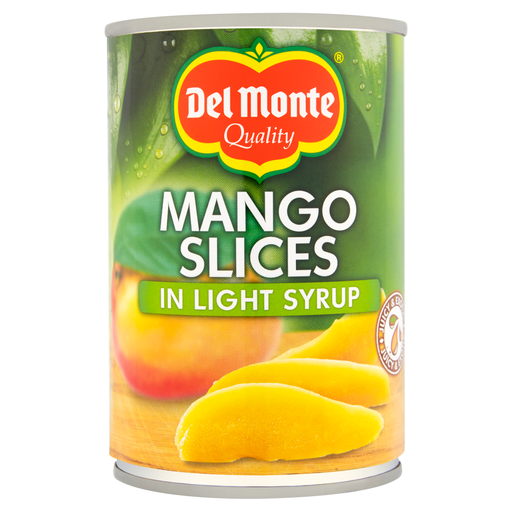 Image unavailable
Del Monte Sliced Mango in Light Syrup 425g
This is an option for a dessert planned around mango slices and light syrup, rather than fruit packed in juice. Use the label’s drained weight when deciding how much mango to serve.
View on Joybuy
 Image unavailable
Del Monte Fruit Cocktail in Juice 415g
The mixed-fruit format suits a dessert that does not call for one particular fruit; juice packing also fits a plan to use the tin at breakfast. Check the drained weight if the recipe needs a specific quantity of fruit.
View on Joybuy
 Image unavailable
Princes Pineapple Chunks with Juice 432g
Consider pineapple chunks when a shared bowl or recipe needs pieces rather than slices. Check the drained weight for portion planning and the tin’s opened-pack directions if some will be left over.
View on Joybuy
Common questions
How much tinned fruit should I buy for a cottage trifle?
Start with the recipe’s serving count, then check drained weight where the tin provides it. As one recipe-specific example, Princes’ fruit-cocktail trifle uses two 410g tins and serves eight; another dessert may need a different quantity.
Should I choose fruit in juice or light syrup?
Choose by how you will use the liquid as well as the fruit. Juice-packed fruit can cover breakfast and dessert, while light syrup fits a dessert intended to use a sweeter liquid. For its own fruit cocktails, Princes lists 9.0g sugars per 100g in the juice version and 15.0g in the light-syrup version; check the exact tin’s label rather than applying those values to other products.
What should I do with opened tinned fruit at the cottage?
Follow the selected tin’s transfer, refrigeration and use-within instructions. The pineapple products listed by Sainsbury’s specify different periods after opening, so do not apply one tin’s period to another. GOV.UK says that when the packaging instructs you to refrigerate after opening, the fridge should be at 5°C or below.


