For a low-fat dessert, start by comparing tinned fruit in natural juice or water rather than syrup, then read the fat and sugars figures per 100g and for the portion you plan to serve. Fruit can provide a low-fat base, but the finished dessert also depends on toppings and accompaniments. If you follow a clinician-prescribed fat limit, judge the whole serving against that individual plan rather than relying on a general low-fat description.
Who this helps
People planning around a strict fat allowance
If your dessert must fit a clinician-directed or self-managed low-fat eating pattern, assess the fruit and everything served with it. Oxford University Hospitals NHS Foundation Trust and Frimley Health NHS Foundation Trust both address fruit-based choices in their minimum-fat diet guidance.
Shoppers comparing sugars as well as fat
Juice-packed fruit is not automatically low in sugar. If avoiding syrup matters to you, compare the packing liquid and the sugars figure on each product. NHS guidance favours canned fruit in natural juice or water with no added sugar; Diabetes UK advises against fruit in syrup, including light syrup.
Shoppers who want an easy portion
A single-serve fruit pot may suit a quick dessert or packed lunch, while a larger can makes sense when you can use and store the remaining fruit. Compare the stated serving and follow the pack’s instructions after opening.
What to check when buying
Check the whole dessert’s fat allowance first, then compare the packing liquid, sugars and portion size on the exact fruit you intend to serve.
| Concern | What to check | Who this matters to |
|---|
| Fat in the finished dessert |
Read fat per 100g and for your serving; include any yoghurt, custard or other accompaniment when checking your allowance. |
If I have a strict fat allowance, the fruit’s figure alone will not tell me whether the completed dessert fits it. About 36% of consumers put that whole-dessert check first. |
| Packing liquid and sugars |
Check whether the fruit is in juice, water or syrup, then compare sugars per 100g and for your portion. |
I may want to avoid syrup without assuming that fruit in juice is low in sugar. For about 29% of consumers, comparing the liquid and sugars is the primary need. |
| Portion and format |
Compare the stated serving with the amount you will eat, and check the storage directions if you open a larger can. |
When I need a ready-made dessert or packed-lunch portion, an individual pot can be easier to plan than part of a can. Portion practicality comes first for about 21% of consumers. |
| Using leftovers |
Choose a pack size you can use, and follow its refrigeration and use-by instructions after opening. |
If I keep fruit in the cupboard for occasional desserts, I do not want the rest of an opened can to go unused. About 14% of consumers prioritise that practical fit. |
Common buying mistakes
-
Reading “light syrup” as “in juice”
The packing liquids are different. Diabetes UK advises avoiding fruit in syrup, including light syrup, when comparing sugar intake.
Read the ingredients and packing-liquid description before comparing sugars on the nutrition panel. NHS guidance recommends canned fruit in natural juice or water with no added sugar or salt.
-
Checking the fruit but not its toppings
A low-fat fruit base does not establish the fat content of a dessert served with cream, pastry or ice cream.
Decide how you will serve the fruit, then check each addition against any fat allowance you follow. Frimley Health NHS Foundation Trust includes fruit-based puddings among the options in its minimum-fat diet guidance.
-
Assuming every fruit in juice has the same sugars
Product figures differ: Marks & Spencer lists 7.3g sugars per 100g for its grapefruit segments, while Tesco lists 12.2g per 100g for its pineapple slices in juice. These are different fruits and products, not interchangeable portions.
Compare the exact packs per 100g and work out what the stated figures mean for the amount you intend to serve.
-
Overlooking grapefruit and medicines
Grapefruit can interact with some medicines, according to Collingwood Health Group NHS.
If you take regular medicine, ask a pharmacist or prescriber whether grapefruit is suitable for you before choosing it routinely. Do not stop prescribed medicine without advice.
Brands to compare
Princes
Its fruit range includes peaches, pineapple, pears and fruit cocktail, with juice-packed options relevant to a fruit-based dessert.
- Princes lists less than 0.1g fat per 100g for its cited peach slices and pineapple slices in juice.
- The cited peach slices list 11.8g sugars per 100g; check the particular fruit and recipe rather than choosing by brand alone.
Del Monte
Tesco’s tinned-fruit listings include Del Monte fruit in juice as well as fruit in light syrup.
- There are juice-packed peach options to compare for a dessert base.
- Check each pack’s liquid: the Del Monte name does not tell you whether a particular product is in juice or syrup.
Tesco
Tesco own-label options include pineapple slices and mixed fruit in juice, with product-specific nutrition information.
- Tesco lists less than 0.1g fat per 100g for the cited pineapple slices and Chunky Fruit Medley.
- Their sugars figures differ: Tesco lists 12.2g and 10.0g per 100g respectively. Compare the fruit you actually plan to serve.
M&S
Its cited grapefruit segments in grapefruit juice offer a sharper fruit option.
- Marks & Spencer lists less than 0.1g fat and 7.3g sugars per 100g for those grapefruit segments.
- Grapefruit can interact with some medicines. Check with a pharmacist or prescriber if that may affect your choice.
Dole
Its fruit-in-juice pots provide a portioned alternative to a multi-serve can.
- The cited pineapple-in-juice product comes as individual cups; its listing states 0g fat per 100g and 61 kcal per cup.
- Check the nutrition for the particular fruit pot and serving rather than applying the pineapple figures to other Dole products.
Joybuy fruit selections
These juice-packed peach, mixed-fruit and mandarin options cover cans and individual pots for fruit-based desserts. Compare each pack’s nutrition with your intended portion and accompaniments.
 No image available
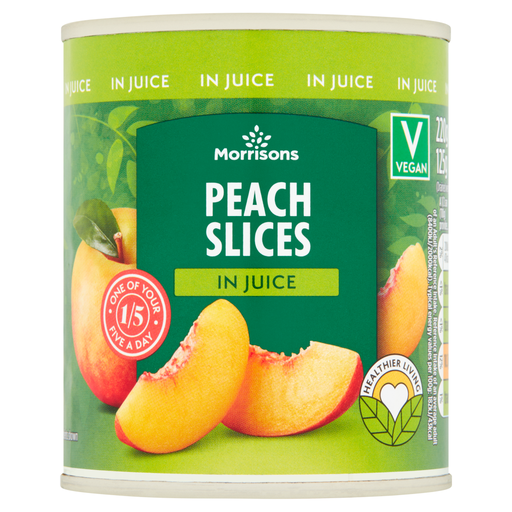
Morrisons Peach Slices in Juice 220g
Consider this smaller can if you want peach slices in juice for a dessert. Check the pack’s fat and sugars figures for your portion, and include any toppings in the dessert’s total.
View on Joybuy
 No image available
Del Monte Fruit Cocktail in Juice 415g
A mixed-fruit option if you prefer a can to individual pots. The 415g pack is in juice; decide how much you will serve and compare the nutrition for that portion rather than assuming juice means low sugar.
View on Joybuy
 No image available
Del Monte Peach Halves in Juice 415g
Choose the peach-halves format if it suits the dessert you plan to make. This 415g can is packed in juice; check the nutrition for the amount served and plan how you will use any remainder.
View on Joybuy
 No image available
Dole Peaches in Juice 4 x 113g
Four individual pots offer a defined portion when you want a quick fruit dessert or snack. Compare the nutrition for the pot you will eat and check whether any accompaniment fits your fat allowance.
View on Joybuy
 No image available
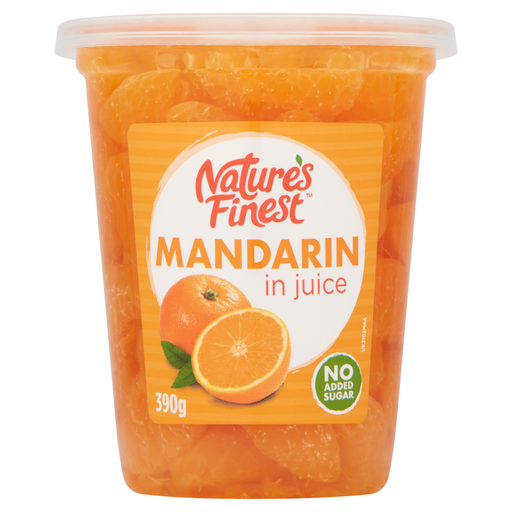
Nature's Finest Mandarins in Juice 390g
Mandarin segments offer a different fruit choice in a 390g juice-packed can. If your fat allowance is especially strict, check this pack’s figure rather than assuming every fruit in juice has the same fat content; compare sugars for your intended portion too.
View on Joybuy
Questions about tinned fruit
Does tinned fruit count towards 5 A Day?
Yes. NHS guidance includes canned fruit in its 5 A Day advice and recommends choosing it in natural juice or water with no added sugar or salt.
Is fruit in juice automatically low in sugar?
No. Tesco lists 12.2g sugars per 100g for its cited pineapple slices in juice, alongside less than 0.1g fat per 100g. Compare sugars on the exact product and for the portion you intend to eat; Diabetes UK advises avoiding fruit in syrup, including light syrup, when sugar is a concern.
What should I do with fruit left in an opened can?
Follow the instructions on your pack. The cited Tesco and Marks & Spencer products instruct shoppers to transfer leftovers to a non-metallic container, refrigerate them and consume them within two days.
Can I use tinned grapefruit for a low-fat dessert?
Marks & Spencer lists less than 0.1g fat per 100g for its cited grapefruit segments, but grapefruit can interact with some medicines. If you take regular medication, ask a pharmacist or prescriber whether grapefruit is suitable for you.


