Choose mango in syrup, pear halves or tart speciality fruit when the fruit itself is meant to shape a quick dessert; choose familiar fruit in juice when you want a simpler option for everyday portions. The packing liquid does not establish quality or sugar content on its own, so compare the exact ingredients, nutrition label, portion size and instructions for storing leftovers.
Who is this for?
Easy-dessert planners
If you want to turn yoghurt, ice cream or a family pudding into a more considered dessert with little preparation, compare the fruit and its cut as well as its packing liquid. Del Monte Europe describes pear halves as suitable for baking and desserts; Marks & Spencer suggests rhubarb for pies and crumbles.
School-day portion planners
If one serving needs to fit a busy school-day routine, a smaller tin or fruit pot may leave less to store than a can opened for one portion. Del Monte Europe describes its Fruit Express range for use at school or on the go; check the individual product and your school’s food policy.
Ingredient-first shoppers
If you are choosing for children or a shared family meal, compare juice and syrup on the exact label. Sainsbury’s peach slices list grape juice from concentrate, while the Del Monte mango slices listed by Asda contain water and sugar in their light syrup.
What matters when choosing?
Decide whether the fruit is primarily for a plated dessert, an individual school-day portion or a meal where the ingredient list takes priority; then compare products within that use.
| Concern |
What to check |
Who this matters to |
| Dessert character |
Compare fruit type and cut, then check whether the product suits the dessert you have in mind. Pear halves offer a different presentation from slices; rhubarb brings a tart flavour. |
I want a quick pudding where the fruit is noticeable, rather than simply stirred in. About 37% of consumers put dessert character first. |
| Portions and leftovers |
Check net weight, stated servings and the instructions for storing an opened pack. A pot, small tin and family-size can solve different portion needs. |
For one school-day serving, I would rather avoid opening more fruit than I can use. Portion convenience comes first for about 27% of consumers. |
| Ingredients and packing liquid |
Read the liquid and other ingredients, then compare sugars per 100g on the exact products. Check allergen information for the intended setting. |
When fruit is for children or a shared meal, I want to know what is in the can before choosing juice or syrup. About 36% of consumers make ingredient control their primary concern. |
Buying pitfalls
-
Assuming every fruit labelled “in juice” has the same ingredients
The liquid can differ between products: Sainsbury’s peach slices list clarified refined grape juice from concentrate, while the Princes pineapple slices listed by Asda contain pineapple juice.
Read the ingredient list and per-100g nutrition declaration on the can you intend to buy. Choose syrup for the dessert you want, not as a presumed sign of quality.
-
Opening a large can for a single portion
A larger can may suit a shared pudding but leaves fruit to store if only one serving is needed. Opened-pack instructions vary by product.
Match the pack to the planned servings. Transfer leftovers to a suitable container, refrigerate them and follow that product’s use-within instruction.
Fruit left unused beyond the stated storage period may have to be discarded.
-
Treating a school-friendly format as suitable for every pupil
A convenient pot or tin does not establish whether its ingredients suit a particular pupil. The Department for Education states that school caterers in England must provide allergen ingredient information.
For school catering in England, check the exact product label against pupils’ documented dietary needs and follow the school’s allergy procedures when changing products. For a home-packed lunch, check the individual school’s food policy.
Brands to consider
Del Monte
A reference point for different prepared-fruit formats, from pear halves in juice to mango slices in light syrup.
- Del Monte Europe describes its pear halves for baking and desserts, and its Fruit Express range for school or on-the-go use.
- The Del Monte mango slices listed by Asda include sugar in their light syrup; compare the exact product rather than assuming the formats have the same ingredients.
Princes
A familiar juice-packed option illustrated by 227g pineapple slices listed by Asda.
- The listed slices contain pineapple, pineapple juice and citric acid.
- Check whether the smaller tin supplies enough fruit for a shared dessert.
Tesco
Its tinned-and-pot-fruit range gives shoppers several fruit types and formats to compare.
- Tesco Groceries lists options including mango, peaches, pineapple, pears and fruit pots.
- Compare the ingredients and pack format of individual products; the range name alone does not describe them.
Sainsbury’s
Its 411g peach slices illustrate a family-dessert fruit packed in juice.
- Sainsbury’s lists peaches and clarified refined grape juice from concentrate among the ingredients.
- “In fruit juice” does not identify the juice as peach juice; read the full label when the liquid matters to your choice.
Asda
Its 432g pineapple slices in fruit juice offer a format to consider for a shared dessert or recipe.
- The Asda product listing identifies pineapple and pineapple juice as ingredients.
- For this product, Asda instructs shoppers to transfer opened contents to a non-metallic container, refrigerate them and consume them within two days.
M&S
A reference for tart fruit when the dessert calls for a different flavour from peaches or pineapple.
- Marks & Spencer describes its tinned rhubarb for pies and crumbles and its grapefruit segments as sharp in flavour.
- Choose the fruit for the recipe or desired flavour; a speciality fruit is not, by itself, a measure of quality.
Joybuy tinned-fruit selections
These selections span dessert-focused fruit in syrup and fruit in juice that can be used for simpler puddings or planned portions. Choose the pack and ingredients for the occasion rather than treating every tin as a school-day single serving.
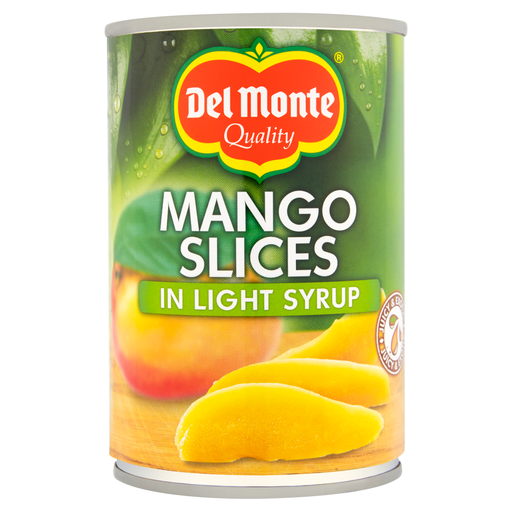 Image unavailable
Del Monte Sliced Mango in Light Syrup 425g
Consider the mango slices when you want a tropical fruit topping for an easy dessert. This 425g tin is packed in light syrup; the listed ingredients include sugar, so compare the label if the packing liquid affects your choice.
View on Joybuy
 Image unavailable
Del Monte Pear Halves in Juice 415g
Pear halves give you recognisable pieces for a plated dessert or recipe. This 415g tin is packed in juice; check the label for the juice ingredients and whether the amount of fruit suits the portions you plan to serve.
View on Joybuy
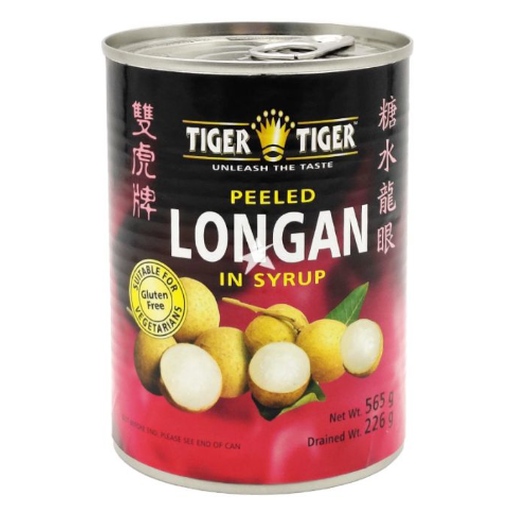 Image unavailable
TT Peeled Longan in Syrup 565g
Consider this 565g tin for a dessert built around longan rather than familiar peaches or pineapple. It is packed in syrup; check the can’s ingredients, nutrition declaration and portion information for the people you intend to serve.
View on Joybuy
 Image unavailable
Princes Pineapple Chunks with Juice 432g
Choose these pineapple chunks when familiar fruit suits the planned pudding, yoghurt or fruit salad. The 432g tin is packed with juice; plan how you will store any fruit left after opening and follow the can’s instructions.
View on Joybuy
 Image unavailable
Del Monte Peach Halves in Juice 415g
Peach halves offer a familiar fruit for a simple dessert or smoothie. This 415g tin is packed in juice; compare its ingredients with other juice-packed fruit and check that the can fits your planned servings.
View on Joybuy
Frequently asked questions
Does “in juice” mean there is no sugar to compare?
No. Read the ingredients and sugars declaration on the exact tin. Sainsbury’s peach slices contain clarified refined grape juice from concentrate, whereas the Princes pineapple slices listed by Asda contain pineapple juice; the phrase “in juice” does not make their formulations identical.
What should I do with tinned fruit after opening it?
Follow the instructions on that product’s label rather than applying one tin’s storage period to another. For example, Asda instructs shoppers to transfer its pineapple slices to a non-metallic container, refrigerate them and consume them within two days.
Can a school caterer in England swap one tinned fruit for another?
A substitute needs to suit the pupils it will be served to, including any documented dietary needs. Check the replacement product’s ingredients and allergen information and follow the school’s procedures before changing what is served.
What allergen information matters for school catering in England?
The Department for Education states that the Food Information Regulations 2014 require food businesses, including school caterers, to show allergen ingredient information for food they serve. Caterers should check the exact product information when ingredients or suppliers change; this England-specific guidance does not establish the rules for other UK nations.


