For a diabetes-conscious cupboard, Diabetes UK advises choosing tinned fruit in juice rather than syrup to reduce free-sugar intake. Compare the carbohydrate and sugars on the exact product label, then consider how much fruit you intend to eat. A multipack gives you separately sealed units, but the size of each unit and what you will do with leftovers still matter.
Who these choices matter to
Shoppers choosing between juice and syrup
If the packing liquid is your starting point, look beyond the picture of fruit on the front of the tin. Diabetes UK advises fruit in juice rather than syrup to reduce free-sugar intake; the nutrition panel remains important for the product you choose.
People planning portions and carbohydrates
If you use carbohydrate information to plan a meal or snack, compare the label figures with the amount you intend to eat. Neither a large tin nor a small pot defines the right serving for an individual.
Buyers stocking a cupboard
If you want fruit available for several breakfasts or desserts, compare how many separate units a pack contains, how much fruit each provides and whether an opened unit is likely to be used in time.
What to check before buying
Start with the packing liquid, then compare the nutrition panel and the quantity you are likely to open at once. A bulk pack is most practical when its separate units fit that pattern of use.
| Concern |
What to check |
Who this matters to |
| Packing liquid |
Check whether the fruit is in juice, syrup or light syrup. Compare carbohydrate and sugars per 100g on the exact product. |
When choosing fruit for a diabetes-conscious cupboard, I want to distinguish juice from syrup before comparing flavours. About 46% of consumers put that packing-liquid decision first. |
| Portion and carbohydrates |
Check the per-100g and any per-serving figures, including whether they refer to drained fruit or fruit with liquid. |
A tin may contain more than I plan to eat at one sitting, so I need figures I can relate to my intended portion. For about 36% of consumers, portion and carbohydrate planning is the primary concern. |
| Pack format and storage |
Compare the number of separate units, the net and drained weights, and the storage directions for an opened unit. |
If I open fruit only occasionally, several sealed units may be easier to use than one larger tin that leaves leftovers. Keeping the pack practical is the first priority for about 18% of consumers. |
Common buying mistakes
-
Assuming fruit in juice is sugar-free
Juice is the starting point Diabetes UK recommends over syrup, not a substitute for reading the nutrition panel. Princes lists 12.2g sugars per 100g for its Pineapple Slices in Juice.
Compare carbohydrate and sugars per 100g on the exact tin, then relate those figures to the amount you intend to eat.
-
Comparing tins by net weight alone
Net weight includes packing liquid. A Del Monte Peach Halves in Juice listing gives 415g net weight but 235g drained weight, so the two figures answer different questions about quantity.
Use drained weight when comparing how much fruit you will have, particularly across a large tin and a multipack.
-
Buying more than you can use after opening
A multipack keeps its unopened units separate, but opening one tin can still leave fruit to store. Instructions differ: the Princes Peach Slices in Juice listing says to refrigerate transferred leftovers and use them within two days; the Del Monte Peach Halves in Juice listing gives three to four days.
Choose an individual unit size that fits your likely use and follow that product's directions for leftovers.
-
Treating a range marker as a serving decision
A retailer's range marker does not tell you how much carbohydrate is in the portion you intend to eat. The packing liquid and nutrition information remain the useful points of comparison.
Read the ingredient description and nutrition panel rather than relying on a front-of-pack cue alone.
Brands and ranges to compare
Del Monte
Del Monte has juice-packed tinned-fruit options, including peach and pear products.
- A six-pack format is listed for Peach Slices in Juice.
- Juice-packed does not mean sugar-free: Del Monte lists 12g sugars per 100g for its Pear Halves in Juice.
Princes
Princes lists several canned-fruit types, including juice-packed peach and pineapple products.
- Its product information lets shoppers identify the packing medium for specific tins.
- Check each fruit separately: Princes lists 12.2g sugars per 100g for its Pineapple Slices in Juice.
Tesco
Tesco's tinned-fruit range includes own-label products and smaller multipack formats alongside branded fruit.
- Its listings include Pear and Peach Pieces in a 4 × 120g format for comparison with standard tins.
- Check the packing liquid and nutrition details of the particular product rather than assuming they are shared across the range.
Sainsbury's
Sainsbury's lists own-label fruit-in-juice products across several fruit types, as well as other tinned-fruit options.
- The range gives shoppers juice-packed and syrup-packed formats to distinguish when choosing a product.
- A range listing does not establish the carbohydrate content or suitable portion of an individual tin.
M&S
M&S lists Grapefruit Segments packed in grapefruit juice.
- The product description identifies the packing liquid for that grapefruit product.
- Check its own nutrition panel and portion information; the grapefruit listing does not describe every M&S tinned-fruit product.
Joybuy tinned-fruit options
These juice-packed options include multipacks for keeping separate units in the cupboard and a single tin for buying a smaller total quantity. Compare the label and drained fruit quantity of the format you choose.
 No image available
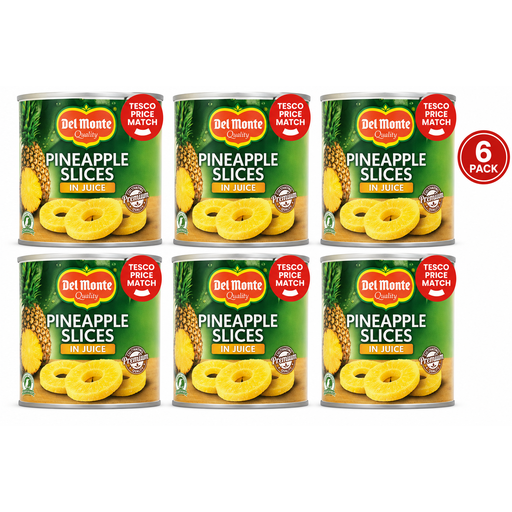
Del Monte Pineapple Slices in Juice 435g (6 Packs)
Consider this six-pack if you want separate units of pineapple for later use. Check the amount in each tin, its drained weight and the nutrition panel against the portion you intend to eat.
View on Joybuy
 No image available
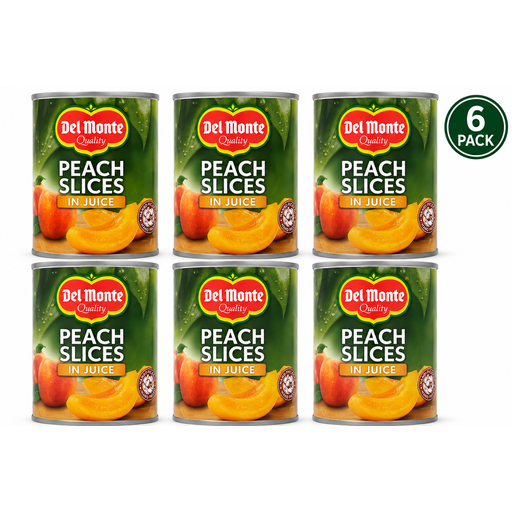
Del Monte Peach Slices in Juice 415g (6 Packs)
This six-pack suits a cupboard supply of peach slices without opening every unit at once. Confirm the amount and drained fruit weight per tin before comparing it with other pack formats, and check the exact nutrition label for your intended portion.
View on Joybuy
 No image available
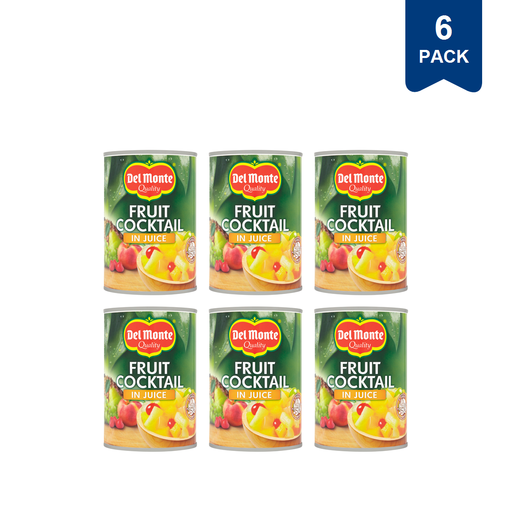
Del Monte Fruit Cocktail in Juice 415g (6 Packs)
Choose this format to keep separate units of mixed fruit available. Check how much drained fruit each unit provides and compare its carbohydrate information with the amount you plan to serve.
View on Joybuy
 No image available
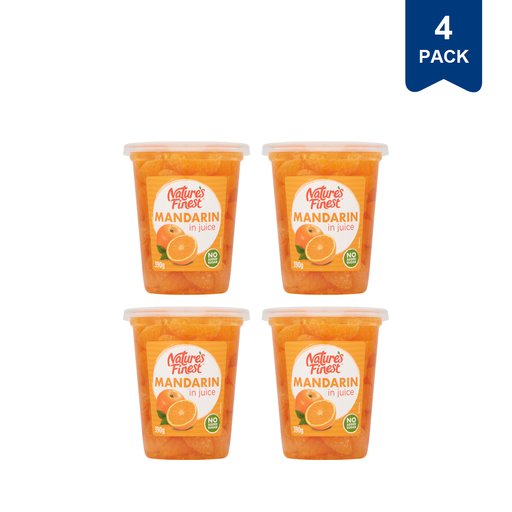
Nature's Finest Mandarins in Juice 390G (4 Packs)
This four-pack offers separate units if you prefer mandarins. Confirm whether the stated 390G refers to each unit or the whole pack before judging portion size, and read the nutrition panel for the amount you intend to eat.
View on Joybuy
 No image available
Del Monte Pineapple Slices in Juice 435g
A single tin lets you try this fruit or buy one unit rather than a multipack. Compare its drained weight with the net weight, check the nutrition panel for your intended portion and plan how you will use any leftovers.
View on Joybuy
Frequently asked questions
Should I choose tinned fruit in juice rather than syrup?
For a diabetes-conscious choice, Diabetes UK advises fruit in juice rather than syrup to reduce free-sugar intake. Still check the carbohydrate and sugars on the exact product and consider the amount you intend to eat.
Does fruit packed in juice have no sugar?
No. Juice packing is not a sugar-free claim: Princes lists 12.2g carbohydrate and 12.2g sugars per 100g for its Pineapple Slices in Juice. Use the nutrition panel of the tin you are considering rather than assuming the same figures apply to another fruit.
What should I do with fruit left in an opened tin?
Follow the instructions on that product. A Princes Peach Slices in Juice listing directs you to transfer leftovers to a sealed container, refrigerate and use them within two days; a Del Monte Peach Halves in Juice listing specifies a suitable non-metallic container, refrigeration and use within three to four days.


