Make-ahead dessert planners
If fruit salad, trifle or a baked dessert is on the Easter lunch menu, choose a fruit format that fits the dish and check how to store any fruit left after opening.


Choose the fruit and its cut to suit the dish: segments or chunks can go into a fruit salad, while slices, halves or a named recipe fruit suit dishes that call for them. Then choose between juice and syrup according to the recipe, and check the exact can for usable quantity, ingredients and instructions after opening.
If fruit salad, trifle or a baked dessert is on the Easter lunch menu, choose a fruit format that fits the dish and check how to store any fruit left after opening.
If the packing liquid matters to your dessert, read the ingredients and nutrition panel on the particular can. A packing-medium description does not tell you everything about its contents.
If you are serving several people, work from the fruit your recipe needs rather than the total weight of the unopened can. Check drained weight or stated portions where available.
For Easter Sunday lunch, match the fruit and packing liquid to the dish before deciding how many cans to open.
| Concern | What to check | Who this matters to |
|---|---|---|
| Juice or syrup | Read the packing-medium description and ingredients; compare sugars only when the nutrition figures use the same basis. | If I am choosing fruit for a dessert where the packing liquid matters, I want to know whether I am opening juice or syrup. About 33% of consumers put that choice first. |
| Fruit format | Match the named fruit and cut to the recipe; check whether it calls for drained fruit or retained liquid. | A trifle, fruit salad and cherry dessert can call for different pieces of fruit, so I would start with what the recipe needs. Getting the fruit format right is the primary concern for about 25% of consumers. |
| Usable quantity | Check drained weight or stated portions where shown, then work out the number of cans needed. | When several people are coming to lunch, I need enough fruit to serve without opening more than I can use. Roughly 25% of consumers put usable quantity first. |
| Labels and leftovers | Read the ingredients, any allergen information and the instructions for storing fruit after opening. | If guests have dietary requirements or the can may not be finished at lunch, I need to check its label before serving. For about 17% of consumers, those handling and label checks come first. |
Juice and light syrup describe different packing media, but ingredients and nutrition figures belong to the individual product. Sainsbury's lists clarified grape juice in its Del Monte mandarins in juice.
Read the exact can's ingredients and compare sugars per 100g only when the figures use the same stated basis.
Total weight includes the packing liquid, so it does not by itself tell you how much fruit will go into the serving bowl.
Use drained weight or stated portions where available, and compare that quantity with your recipe and guest count.
Instructions after opening matter if you prepare dessert ahead or expect leftovers. ASDA Groceries instructs consumers to transfer unused Just Essentials peach slices to a suitable non-metallic container, cover and refrigerate them.
Follow the storage and use-within instructions on the can you open.
Opening more fruit than you can use within its labelled period can leave avoidable leftovers.
ASDA Groceries warns that some stones may remain in its black cherries in light syrup despite care taken to remove them.
Read stone-fruit warnings and check the fruit carefully when preparing a dessert, particularly for children.
Tesco Groceries lists Del Monte fruit cocktail in juice, while Sainsbury's lists Del Monte mandarins in clarified grape juice.
Tesco Groceries lists Princes fruit cocktail in juice; Princes also has a pineapple-chunks-in-juice option among the Joybuy products below.
Tesco Groceries has a tinned and pot fruit category for comparing fruit formats.
ASDA Groceries lists Just Essentials peach slices and ASDA black cherries, both in light syrup.
M&S Food lists tinned rhubarb chunks and grapefruit segments.
These tins cover pineapple chunks and slices, peach slices and halves, and pear halves for fruit salads or Easter desserts. Choose the cut and packing liquid your dish calls for.
 No image available
Consider pineapple chunks when you want pieces to add to a fruit salad or recipe.
The can is labelled 432g and packed in juice. Check the drained quantity when planning how many portions you need, and follow the can's instructions after opening.
 No image available
Choose pineapple slices when the dish calls for slices rather than smaller chunks.
This is a 435g tin packed in juice. Check the can's drained weight if the recipe specifies a quantity of fruit, and read its instructions for leftovers.
 No image available
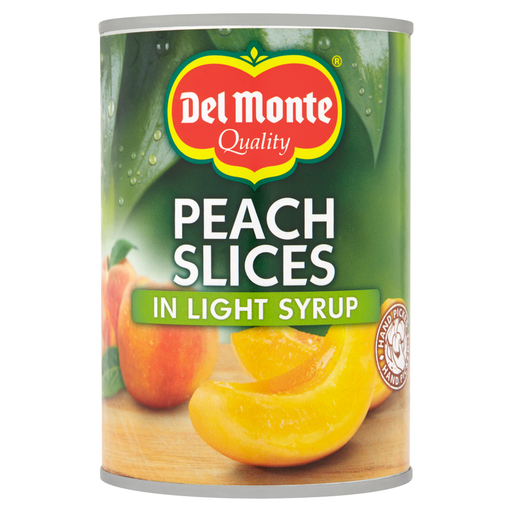
These peach slices suit a dessert that calls for sliced fruit in light syrup.
The tin is labelled 420g. If sweetness or dietary ingredients matter, check the exact label rather than judging by the words light syrup alone.
 No image available
Choose peach halves if you want that cut for serving or for a recipe, rather than ready-sliced peaches.
This 415g tin is packed in juice. Check the ingredients and drained quantity on the can when comparing it with other peach formats.
 No image available
Pear halves are an option when your salad or dessert calls for pears rather than peaches or pineapple.
The tin is labelled 415g and packed in juice. Check its drained quantity before relying on one can for a recipe, and follow the label after opening.
Choose the packing liquid that fits the dish, then read the exact can's ingredients and nutrition panel. Juice and syrup products are not interchangeable in every recipe, and the packing-medium name alone does not establish a product's sugar content.
Follow the instructions on the particular can. For example, ASDA Groceries instructs consumers to transfer unused Just Essentials peach slices to a suitable non-metallic container, cover and refrigerate them, then use them within 3 days.
Check the ingredients and allergen information on the exact pack, especially when serving someone with an allergy. GOV.UK explains that food businesses must tell consumers about any of the 14 regulated allergens present in food.
Drained weight tells you how much fruit remains once the packing liquid is removed. Use it, where shown, to plan the fruit quantity your Easter lunch recipe or serving bowl needs; the total can weight includes liquid.