For regular easy-chew meals, choose fruit that breaks apart with the side of a fork or spoon, and inspect each serving for stones, skins, pips and fibrous pieces. Slices may need less preparation than halves, while juice-packed fruit suits shoppers prioritising a lower-added-sugar choice over syrup; when buying several tins, match the size of each opened pack to the portions you can use under its storage instructions.
Who is this for?
People planning easy-chew meals
University Hospitals Coventry and Warwickshire NHS Trust and Cambridge University Hospitals NHS Foundation Trust describe easy-to-chew food as soft enough to break apart with the side of a fork or spoon. Tinned fruit still needs checking piece by piece; a tin does not establish suitability for an individual eater.
Shoppers choosing fruit in juice
If reducing added sugar is a priority, the NHS advises choosing tinned fruit in juice rather than syrup. Read the ingredients and nutrition information on the particular pack, as similarly named fruit can have different packing liquids.
Households stocking fruit for repeat meals
Several standard tins offer portions across more than one meal, provided opened fruit can be stored and used as the label directs. For smaller or less frequent servings, a smaller tin or individual pot may leave less to manage after opening.
What matters when choosing?
Check the fruit’s texture and pieces first, then choose the packing liquid and a pack size that fits how the fruit will be served.
| Concern |
What to check |
Who this matters to |
| Softness and pieces |
Check whether each piece breaks apart with a fork or spoon; inspect for stones, skins, pips and fibrous parts. |
If I am preparing an easy-chew meal, the pieces must be manageable for the person eating them, even when they come from a tin. About 33% of consumers put softness and piece-by-piece checks first. |
| Juice or syrup |
Read the packing-liquid and ingredients labels; compare nutrition information per 100g or per serving on a consistent basis. |
For everyday meals, I may want fruit in juice or water rather than syrup because added sugar is my main consideration. Roughly 27% of consumers prioritise that choice. |
| Portions and storage |
Check the tin size, stated servings and instructions for storing contents after opening. |
When one tin will span several meals, I need a portion size that fits the meals I have planned and the pack’s storage directions. Around 20% of consumers place portion and leftover management first. |
| Bulk format and variety |
Confirm the number and size of tins in a pack; choose fruit types and cuts that can each be prepared for the intended meal. |
If I am stocking several tins, I want enough variety without committing to fruit that needs more preparation than I can manage. About 20% of consumers primarily look for a workable bulk selection. |
Mistakes to avoid
-
Assuming every tinned fruit is easy to chew
Softness depends on the actual pieces and the eater’s needs. Easy-to-chew guidance from University Hospitals Coventry and Warwickshire NHS Trust and Cambridge University Hospitals NHS Foundation Trust does not make every canned fruit suitable for someone with swallowing difficulties.
Drain excess liquid, test whether pieces break apart with a fork or spoon, and remove unsuitable skins, pips or stones. Follow individual clinical guidance where a different texture has been prescribed or choking risk is increased.
-
Serving mixed fruit without checking each piece
Fruit in one tin can contain pieces with different textures. University Hospitals Coventry and Warwickshire NHS Trust identifies pineapple as a stringy, fibrous food to avoid in easy-to-chew meals.
Inspect mixed fruit before serving, and cut or leave out pieces that do not meet the eater’s texture requirements. Do not assume a sliced format removes the need to check for stones.
-
Buying larger tins than the meals will use
A larger opened tin can leave fruit that needs prompt refrigeration and use. Sainsbury’s, for example, instructs buyers of its 411g peach slices in fruit juice to transfer opened contents to a non-metallic container, refrigerate them and use them within two days.
Plan the servings you will use after opening and follow the instructions on the exact pack; consider smaller formats if that plan does not fit.
Unusable leftovers also mean discarding fruit that was bought for later meals.
-
Confusing light syrup with juice
These are different packing liquids. The NHS identifies tinned fruit in juice rather than syrup as an option when reducing added sugar is the priority.
Check both the product name and ingredients instead of treating a light-syrup tin as equivalent to one packed in juice or water.
Brands and ranges to consider
Brand ranges can help narrow the format to inspect, but easy-chew suitability depends on the particular fruit and how it is served.
Del Monte
Del Monte Europe lists prepared fruit in several cuts and packing liquids, including 415g pear halves in juice.
- Halves offer a larger-piece format for meals where further cutting or mashing is practical.
- Assess the texture of the actual fruit; being packed in juice does not establish how easily a half breaks apart.
Princes
Princes lists canned peach, pear, pineapple, mandarin and other fruit products. Its peach slices with juice are listed in 220g and 410g sizes.
- The two listed peach-slice sizes give a choice between smaller and standard tins.
- Check the chosen pack’s drained quantity and after-opening directions rather than applying one product’s details to the whole range.
Tesco
Tesco Groceries lists own-label tinned peaches and pear quarters in juice alongside other tinned and pot-fruit formats.
- Different cuts and pack formats give shoppers options for planned portions.
- Select by the individual tin’s fruit, packing liquid and serving texture, not by the retailer name.
Sainsbury's
Sainsbury’s lists peach slices in fruit juice in a 411g tin.
- The product’s stated servings and after-opening instructions help with meal planning.
- Inspect servings for unsuitable pieces; for this tin, Sainsbury’s directs buyers to transfer, refrigerate and use opened contents within two days.
Asda
Asda Groceries lists tinned fruit, including a Del Monte fruit cocktail in juice.
- The listing offers a mixed-fruit format to assess for meals where different pieces can be prepared individually.
- Check each selected product’s ingredients, storage directions and pieces before serving.
M&S
Marks & Spencer presents tinned fruit among its store-cupboard products, including grapefruit segments and rhubarb chunks.
- These are additional fruit types to consider if their flavour and prepared texture fit the meal.
- Check the individual product and its pieces rather than assuming a listed fruit type will suit an easy-chew serving.
Joybuy tinned fruit selections
These selections cover smaller peach portions, standard tins of peaches and a listed multi-can mango pack. Some are packed in juice and others in light syrup; check texture, ingredients and the amount you can use after opening before choosing among them.
 No image available
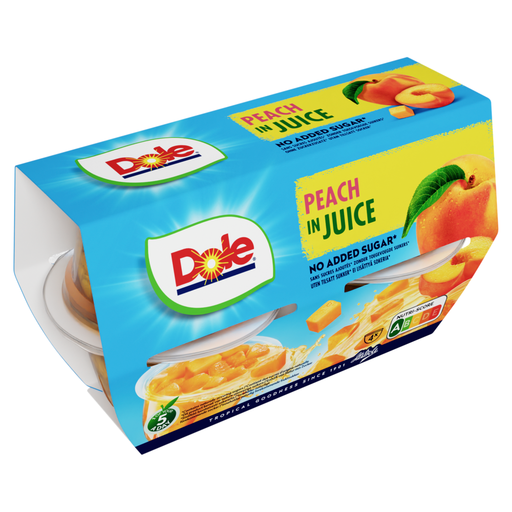
Dole Peaches in Juice, 4 × 113g
The separate pots may suit meals planned in smaller portions rather than from one opened tin. The product name specifies four 113g pots. If the packing liquid’s ingredients matter to you, check the pack as well as the name; test the peaches’ texture before serving.
Joybuy
 No image available
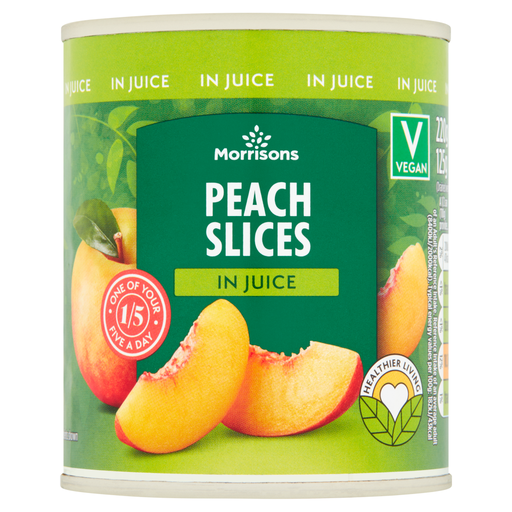
Morrisons Peach Slices in Juice, 220g
This smaller tin may be easier to fit into a meal plan that would leave too much fruit from a standard tin. It contains peach slices in juice according to its name. Inspect slices for stones and check that each piece is soft enough for the intended easy-chew meal.
Joybuy
 No image available
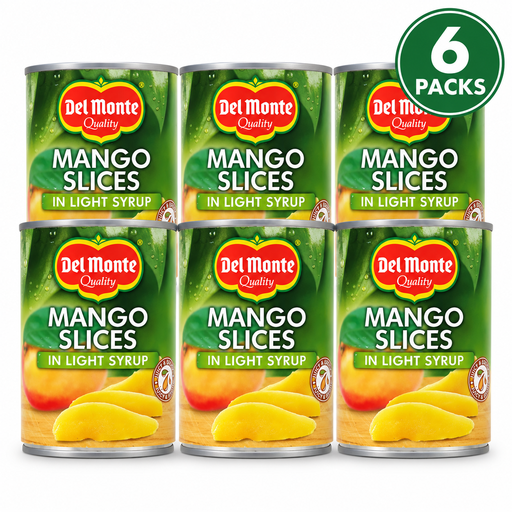
Del Monte Sliced Mango in Light Syrup, 425g (6 packs)
The listed multi-can format may suit repeated meals if the mango slices pass an individual texture check. The name states 425g and six packs; confirm the bundle contents and quantity before ordering. This is fruit in light syrup, not a juice-packed choice.
Joybuy
 No image available
Del Monte Peach Halves in Juice, 415g
Consider these peach halves if cutting or mashing larger pieces is practical for the intended meal. The name identifies a 415g tin packed in juice. Check the halves’ softness and inspect them before serving; follow the pack’s instructions for any leftovers.
Joybuy
 No image available
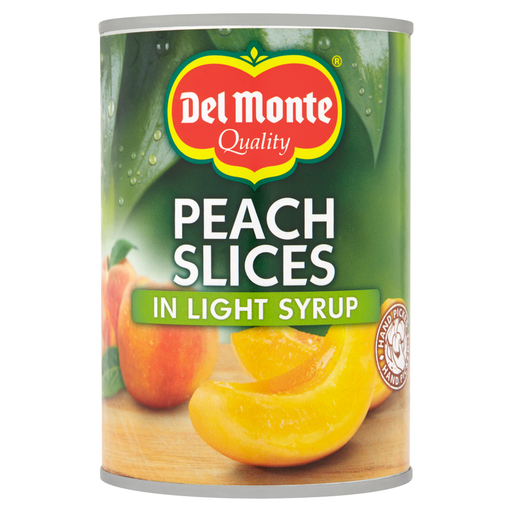
Del Monte Peach Slices in Light Syrup, 420g
The sliced format may mean less cutting than peach halves, provided the actual pieces meet the eater’s texture needs. This 420g tin is labelled as packed in light syrup, so it does not fit a preference for fruit in juice or water. Check the label for storage directions after opening.
Joybuy
Frequently asked questions
Is any tinned fruit suitable for an easy-chew meal?
No. For regular IDDSI Level 7 Easy to Chew meals, Cambridge University Hospitals NHS Foundation Trust says fruit should be soft enough to break apart with the side of a fork or spoon. Check the served pieces and remove unsuitable skins, pips, stones and fibrous parts. An individually prescribed texture-modified diet needs its own guidance.
Should I choose fruit in juice or syrup?
Choose fruit in juice rather than syrup if reducing added sugar is your priority; this is the distinction made in NHS sugar guidance. Check ingredients and nutrition information on the exact product, because the packing liquid and serving size can differ.
Can tinned pineapple work in an easy-chew meal?
Only serve pieces that meet the eater’s texture requirements. University Hospitals Coventry and Warwickshire NHS Trust identifies pineapple as stringy and fibrous in its easy-to-chew guidance, so inspect it carefully and leave out unsuitable pieces.
How should I store fruit left after opening a tin?
Follow the instructions on that product’s pack rather than applying one storage period to every tin. Sainsbury’s directs buyers of its 411g peach slices in fruit juice to transfer opened contents to a non-metallic container, refrigerate them and use them within two days.
What should I check before stocking several tins?
Check that the fruit types and cuts suit the meals you plan to make, then compare pack quantities, servings and after-opening instructions. Also check each tin’s date and condition. GOV.UK explains that a best-before date concerns quality; it does not replace product-specific storage directions or warnings about damaged packaging.


