Family-cake batch bakers
If you are making a larger cake or traybake, compare the recipe’s fruit requirement with the drained weight. A tin that looks large enough by its net weight may provide less fruit once the liquid is removed.


For a family cake, choose the fruit shape the recipe needs, then compare the amount available after draining rather than relying on the tin’s net weight. Chunks can be folded through batter, while slices suit a visible topping; use prepared fruit filling when the recipe calls for a filling rather than drained pieces. Follow the recipe’s instructions for any packing liquid and check the exact pack’s ingredients and storage directions.
If you are making a larger cake or traybake, compare the recipe’s fruit requirement with the drained weight. A tin that looks large enough by its net weight may provide less fruit once the liquid is removed.
The fruit has a particular job in your bake: chunks to mix through, slices to arrange on top, or a prepared filling for a layer. Choose the form before deciding how much to buy.
When baking for others, check the exact tin’s ingredients, sugars and allergen information. Its after-opening instructions also matter if the recipe will not use the whole tin.
| Concern | What to check | Who this matters to |
|---|---|---|
| Usable fruit quantity | Compare the recipe’s required fruit quantity with the stated drained weight, where available, as well as the tin’s net weight. | If I am making a traybake for several people, I need enough fruit after draining, not just a tin with a substantial headline weight. About 39% of consumers put usable fruit quantity first. |
| Fruit form and moisture | Match chunks, slices, mixed fruit or filling to the recipe; check whether it calls for drained fruit or uses the packing liquid. | For a patterned top, I want slices; for fruit mixed into batter, I need pieces and a manageable amount of liquid. About 38% of consumers put fruit form and moisture first. |
| Ingredients and storage | Read the exact pack’s ingredients, allergen and nutrition information, plus its instructions for leftovers. | When baking for others, I want to check what is in the tin and how to store any fruit left over. Ingredients, allergens and storage are the primary concern for about 23% of consumers. |
Net weight includes the packing liquid. Sainsbury’s lists Del Monte Pineapple Chunks in Juice at 435g with 260g drained weight, and Del Monte Peach Slices in Juice at 415g with 250g drained weight.
If the recipe specifies a fruit quantity, use the stated drained weight to work out how many tins you need.
Liquid drained from the fruit can change the amount entering a cake batter. Princes’ own dessert recipe drains canned fruit and places it on kitchen paper before use.
Follow the cake recipe: drain fruit when it calls for drained pieces, and include juice or syrup only when the instructions call for it.
The packing medium is part of the ingredient choice, while the cake recipe may already specify how much liquid and sugar to add. The NHS advises using the nutrition label to check sugars.
Compare ingredients and sugars per 100g on the exact tins you are considering, then follow the recipe’s directions for that fruit.
Instructions differ by product. Joybuy’s Del Monte Pineapple Chunks in Juice 435g listing says to refrigerate unused contents in a covered, suitable non-metallic container and consume them within 3–4 days; its Princes Pineapple Slices in Juice 227g listing says to use leftovers within 2 days.
Read the storage directions on the tin you buy before keeping any unused fruit.
Princes lists canned fruit and prepared fruit fillings for different baking uses.
Sainsbury’s lists Del Monte fruit cocktail, peach slices and pineapple chunks in juice.
Tesco’s tinned-fruit range includes its own pineapple slices and mandarin segments in juice.
Sainsbury’s lists tinned fruit-in-juice options in several forms, including branded fruit cocktail, peach slices and pineapple chunks.
M&S lists tinned rhubarb chunks and grapefruit segments among its store-cupboard fruit.
These selections cover sliced fruit for cakes that use visible pieces or toppings, plus prepared fillings for recipes designed around a fruit layer. Choose between a single tin and a multipack according to the quantity your recipe needs.
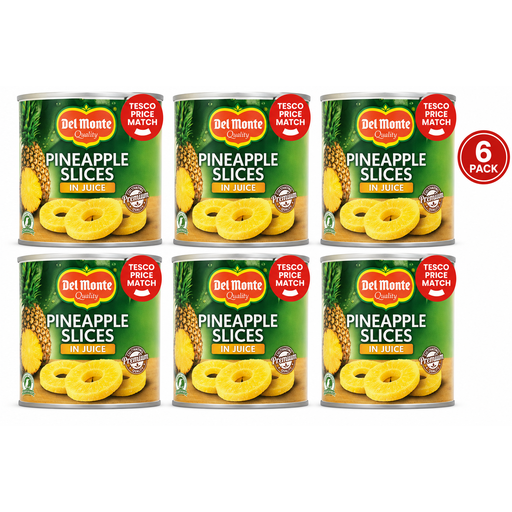 Image unavailable
Consider this multipack when several bakes call for pineapple slices or you need slices for a larger decorative topping. It contains six separate 435g tins; compare the quantity with your recipes and allow space to store the unused tins.
 Image unavailable
This single tin is an option for a recipe calling for pineapple slices on top of a cake. Check how much drained fruit the recipe requires; cut the slices only if smaller pieces are appropriate.
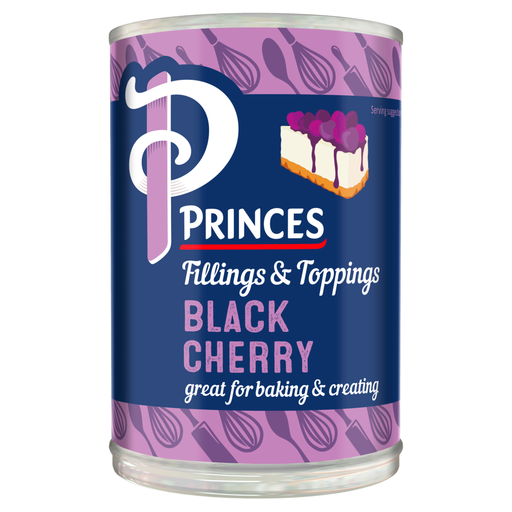 Image unavailable
Choose this 410g prepared filling for a cake recipe designed to use a cherry filling or layer, not one that specifies drained plain fruit. Check the product and recipe instructions before adding it.
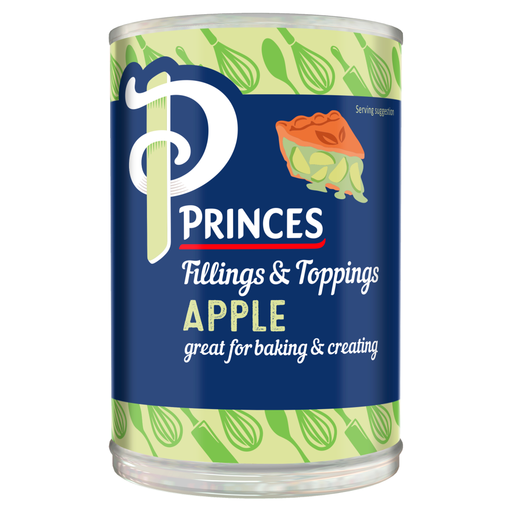 Image unavailable
This 395g prepared apple filling fits a recipe that calls for a fruit filling or layer. It is not a direct substitute for plain apple pieces; check the ingredients and nutrition label if you are adapting the recipe.
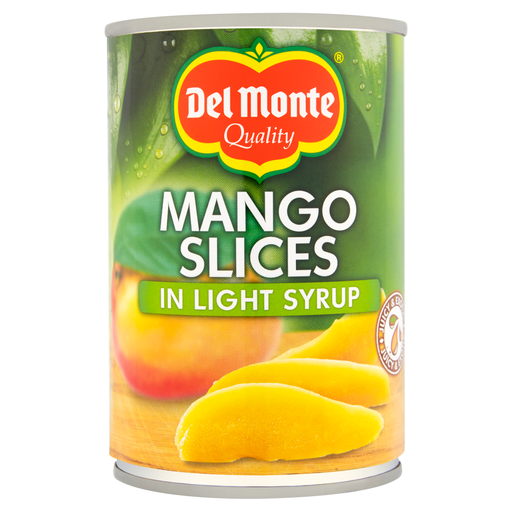 Image unavailable
Consider these mango slices when the recipe calls for sliced mango and its liquid instructions suit fruit packed in light syrup. The tin is 425g; check the usable fruit quantity against what the recipe requires.
Start with the quantity of fruit in the recipe, then compare drained weights where they are stated. For example, Sainsbury’s lists Del Monte Pineapple Chunks in Juice at 435g net weight but 260g drained weight; the net figure alone does not tell you how much pineapple will go into the cake.
Drain it when the recipe calls for drained fruit or needs you to control how much liquid enters the batter. Princes’ dessert guidance also places drained canned fruit on kitchen paper. If your cake recipe deliberately uses the juice or syrup, follow that instruction instead.
No single packing medium suits every recipe: check its intended liquid and sweetness, then compare the exact tins’ ingredients and nutrition labels. The NHS identifies sugars as information shown on prepacked-food nutrition labels; the fruit name alone does not establish the values for a particular tin.
Read the ingredients list on the exact tin. GOV.UK guidance says that the 14 allergens requiring declaration must be emphasised in the ingredients list when they are present in a prepacked food.
Follow the directions for the product you opened, as they differ. Joybuy’s Del Monte Pineapple Chunks in Juice 435g listing specifies a covered, suitable non-metallic container in the fridge and consumption within 3–4 days; its Princes Pineapple Slices in Juice 227g listing specifies using leftovers within 2 days.