What matters when choosing?
Choose a fruit and presentation the child might try, then compare the exact products’ salt declarations, ingredients and usable fruit quantity.
| Concern |
What to check |
Who this matters to |
| Salt on the label |
Compare salt per 100g on acceptable tins; check the current pack before serving. |
If I am watching the salt added by each ingredient in a family meal, I need the figure for the tin I will actually use. About 42% of consumers put the declared salt level first. |
| Fruit cut and texture |
Look at the cut and whether the fruit can be served in pieces suited to the child. |
When a large or unfamiliar piece is likely to be refused, I want fruit I can present alongside an accepted food. For about 33% of consumers, a format the child will try is the primary concern. |
| Portions and leftovers |
Compare drained weight and follow the pack’s storage instructions after opening. |
If I will serve only a little at a time, I need a pack whose remaining fruit I can use as instructed. Manageable portions come first for about 25% of consumers. |
Joybuy tinned fruit selections
These selections cover fruit pieces in juice and fruit in syrup. Choose an acceptable fruit and cut first, then compare the current labels and pack instructions for the products that remain.
 No image available
Del Monte Pineapple Slices in Juice 435g
For a child willing to try pineapple slices, this juice-packed format offers a recognisable cut. The pack is labelled 435g; check its current salt declaration, drained weight and after-opening instructions when planning portions.
View on Joybuy
 No image available
Del Monte Pear Halves in Juice 415G
For meals where pear is a familiar fruit, consider whether halves are a suitable serving shape or need cutting. This juice-packed product is labelled 415G; check the current salt declaration and drained weight if you intend to serve only part of the pack.
View on Joybuy
 No image available
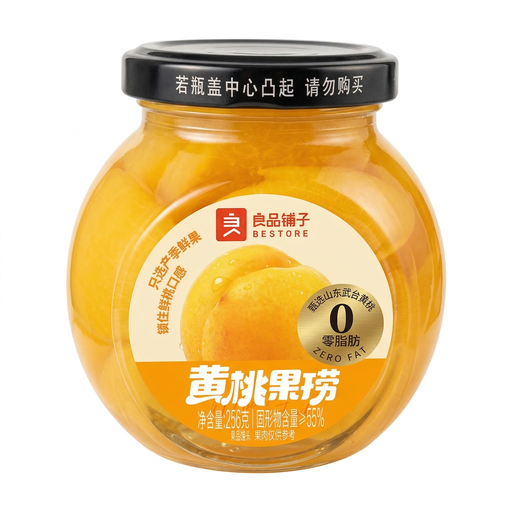
Bestore Yellow Peach in Syrup, 256g/Bottle
If yellow peach is more acceptable than the other fruits shown, this is a syrup-format option rather than fruit in juice. The 256g bottle lists sugar among its ingredients; compare its current salt and sugars declarations, drained fruit quantity and storage instructions.
View on Joybuy
 No image available
Princes Pineapple Chunks With Juice 432g
For a child who will try pineapple chunks rather than slices, check whether this cut suits the planned serving. The 432g tin contains fruit with juice; compare its current per-100g salt declaration and follow its instructions for fruit left after opening.
View on Joybuy
 No image available
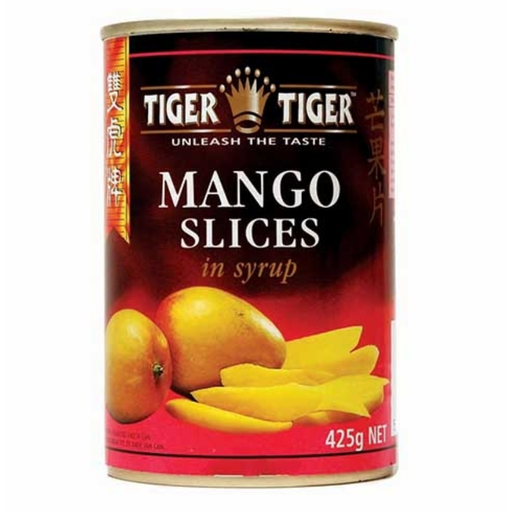
Tiger Tiger Mango Slices in Light Syrup 425g
If mango slices are a fruit the child might try with an accepted food, consider this light-syrup format alongside its ingredient list. The pack is labelled 425g and lists sugar; check the current salt and sugars declarations, drained weight and after-opening instructions.
View on Joybuy
Common questions
Is fruit in juice always lower in salt?
No. Compare the exact products’ nutrition panels: Tesco’s pineapple slices in juice declare less than 0.01g salt per 100g, while Princes’ pineapple slices in juice declare 0.05g per 100g. The preserving liquid alone does not establish the salt value.
Should I choose fruit in juice or in syrup for a fussy eater?
Start with a fruit and presentation the child is willing to try, then compare the particular tins’ ingredients, sugars and salt. Sainsbury’s lists both juice-packed fruit and peach slices in light syrup; those descriptions identify different preserving liquids, not interchangeable ingredient lists.
How can I offer tinned fruit without pressuring a child to eat it?
Offer a small amount without pressure and allow further opportunities to try it. NHS advice notes that accepting a new food can take many attempts, while NHS Fife suggests adding chopped or puréed fruit to accepted foods such as yoghurt, cereal or porridge.
What should I do with fruit left after opening a tin?
Follow the instructions on that product’s pack. Tesco’s listed pineapple and peach slices instruct shoppers to transfer unused contents to a non-metallic container, refrigerate them and use them within two days; do not assume the same period applies to every tin.


