For a routine weekday breakfast, choose tinned fruit in natural juice or water if its ingredients also fit your no-added-sugar preference. Choose syrup-packed fruit when you want a sweeter, dessert-style bowl; for either route, consider the fruit’s cut, drained quantity and whether you will finish the pack.
Who is this for?
Everyday breakfast fruit shoppers
If you add fruit to yoghurt, cereal or porridge, the packing liquid, ingredient list and portion size help you choose a tin you will use regularly. The NHS advises choosing tinned fruit in natural juice or water with no added sugar or salt.
Dessert-style breakfast makers
Pear halves, pineapple, grapefruit or rhubarb can change the fruit and presentation of a breakfast bowl. Del Monte and M&S also describe uses for some of these fruits beyond breakfast; check whether you want juice packing or a sweeter syrup.
Solo and rushed households
A small pot or multipack may be easier to finish at breakfast. If you open a larger tin, the product’s storage instructions and a plan for the remainder matter too.
What matters when choosing?
Start with the breakfast you want: an everyday fruit portion, a sweeter topping or a particular fruit and cut. Then choose a pack size that fits how many servings you will use.
| Concern |
Buying checks |
Who this matters to |
| Packing liquid and ingredients |
Check for juice, water or syrup, then read the ingredients and sugars shown on the nutrition panel. |
If I want fruit with my usual breakfast without added sugar, the packing liquid alone will not settle the choice. About 31% of consumers put ingredients and packing liquid first. |
| Fruit and presentation |
Choose a fruit and cut—such as halves, slices or segments—that suit the bowl or recipe you have in mind. |
For a breakfast that can also become a dessert topping, I may care most about the fruit and how it serves. Fruit and presentation are the primary concern for about 31% of consumers. |
| Portions and leftovers |
Compare individual pots with tins, and check the label’s instructions for storing fruit after opening. |
When breakfast is for one, I want a portion I can finish or store as directed. About 23% of consumers prioritise portion convenience and avoiding leftovers. |
| Edible fruit quantity |
Compare drained weight with total pack weight where both are given. |
If a tin needs to cover several breakfasts, I want to know how much fruit it contains rather than count the liquid. Edible fruit quantity comes first for about 15% of consumers. |
Common buying pitfalls
-
Assuming ‘in juice’ means sugar-free
Juice and fruit contain sugars. Princes lists peaches, grape juice made from concentrate and water in its Peach Slices with Juice; the words ‘in juice’ do not replace the ingredient and nutrition panels.
If avoiding added sugar matters to you, check the exact product label. The NHS advises natural juice or water with no added sugar or salt for tinned fruit.
-
Confusing pack weight with fruit quantity
Tins and pots contain both fruit and packing liquid, so their total weights do not necessarily tell you how much fruit you will serve.
Look for drained weight when comparing portions, then consider whether you will use the whole pack.
-
Opening a large tin without a plan for the rest
A tin intended for breakfast and dessert still needs appropriate storage once opened. Food Standards Scotland advises checking the label for opened-storage instructions.
Choose a smaller format if you are unlikely to use the remainder. Otherwise, follow the product label; Zero Waste Scotland advises transferring leftovers to an airtight container, refrigerating them and eating them within two days.
Brands and ranges to consider
Del Monte
Del Monte Europe describes prepared pears packed in juice, light syrup and syrup, including pear halves that can be used in recipes.
- Useful for comparing packing liquids and fruit cuts within the prepared-fruit range.
- Check the exact variety, ingredients and drained weight of the tin you choose.
Princes
Princes offers peach slices with juice and suggests serving drained peaches with yoghurt.
- A straightforward option to examine for a peach-and-yoghurt breakfast.
- Its Peach Slices with Juice contains grape juice made from concentrate; check the label against your ingredient preferences.
Tesco
Tesco Groceries lists tinned peaches alongside pear-and-peach pieces in a four-pack.
- Its listed formats let shoppers consider a standard tin against smaller portions.
- Compare the fruit quantity and packing liquid of individual products rather than treating the formats as interchangeable.
Sainsbury's
Sainsbury's lists several own-label tinned fruits, including peaches and pears in juice.
- The range offers different fruits and packing liquids to consider for breakfast bowls.
- Use each product’s ingredient and nutrition labels for the serving you intend to make.
M&S
M&S describes grapefruit segments and rhubarb chunks in its tinned-fruit range.
- These fruits offer a change from a peach-based breakfast or dessert topping.
- Check the individual product’s packing liquid and serving format before choosing it for breakfast.
Joybuy tinned fruit selections
These selections cover pineapple, peaches, mango and pears for weekday breakfasts, including juice-packed fruit, a light-syrup option and portioned peach pots. Choose by ingredients, serving format and how you expect to use any remainder.
 No image available
Princes Pineapple Chunks With Juice 432g
Pineapple chunks are an option if you want fruit for yoghurt or a fruit salad. This is a 432g pack with juice; check its drained weight if the amount of fruit per serving matters. Follow the pack’s instructions for unused contents.
View on Joybuy
 No image available
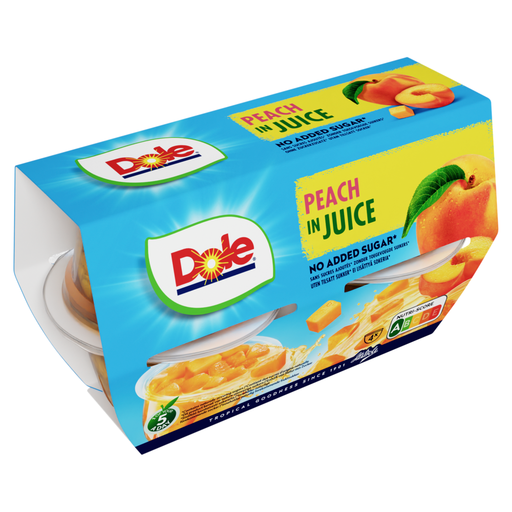
Dole Peaches In Juice 4 x 113g
Four individual peach pots suit breakfasts where opening one portion at a time is useful. The listed ingredients include white grape juice from concentrate and steviol glycosides; check the current label if you avoid sweeteners. Check drained fruit weight if you are comparing portions.
View on Joybuy
 No image available
Del Monte Peach Halves In Juice 415g
Peach halves offer a different presentation from diced fruit for a breakfast bowl. This 415g tin is packed in juice; check its ingredient panel if you have a strict sugar or sweetener preference, and plan how you will use any remainder.
View on Joybuy
 No image available
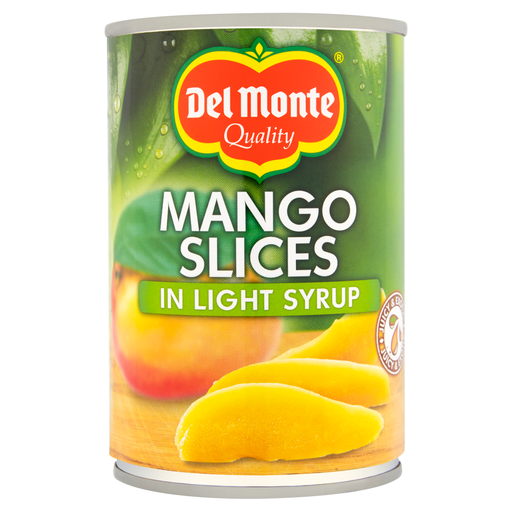
Del Monte Sliced Mango In Light Syrup 425g
Consider these mango slices when you deliberately want a syrup-packed topping for yoghurt or a dessert-style breakfast. The 425g tin is packed in light syrup and its listed ingredients include sugar, so it does not fit a strict no-added-sugar preference. Follow the label’s instructions after opening.
View on Joybuy
 No image available
Del Monte Pear Halves in Juice 415G
Pear halves suit a breakfast serving that may also be used in a fruit salad or dessert. This 415G tin is packed in juice; check the ingredient label for your preferences and the drained weight if you need to plan portions.
View on Joybuy
Frequently asked questions
Does tinned fruit count towards 5 A Day?
Yes. The NHS says 80g of canned fruit counts as one portion of 5 A Day and advises choosing fruit in natural juice or water with no added sugar or salt.
Does ‘in juice’ mean the fruit has no sugars?
No. Fruit and juice contain sugars, and packing liquids vary. Read the ingredients and nutrition panel of the exact product; Princes Peach Slices with Juice, for example, lists grape juice made from concentrate.
How can I use a standard tin at breakfast?
Drain the fruit and serve it with yoghurt, cereal or porridge if that suits the product. Princes’ peach-and-yoghurt recipe uses a 410g tin and calls for the peaches to be drained and chopped.
How should I store fruit left in an opened tin?
Check the individual product label first. Food Standards Scotland advises checking whether food needs refrigeration after opening; Zero Waste Scotland advises moving leftovers to an airtight container, refrigerating them and eating them within two days.


