What matters when choosing?
Settle the dessert and the fruit format first. Packing liquid, label details and the amount you will use can then narrow the choice without making “luxury” a substitute for recipe fit.
| Concern |
What to check |
Who this matters to |
| Dessert presentation |
Choose halves, slices, chunks or segments to match the finished dish; check whether they will need cutting or draining. |
If the fruit will form a visible trifle layer or sit on a dessert plate, I want pieces I can arrange rather than a spoonable filling. About 33% of consumers put presentation and fruit format first. |
| Recipe convenience |
Check whether the recipe calls for a prepared filling, intact fruit or fruit to heat for a pudding. |
When I am making a pie or crumble alongside the rest of the Christmas meal, reducing fruit preparation matters most. About 25% of consumers prioritise that recipe-ready format. |
| Packing liquid and label |
Compare juice, syrup and filling on the exact ingredients and nutrition label; check allergen information where relevant. |
If a guest’s requirements or the sweetness of the other ingredients shape the dessert, I need to inspect the can before choosing. For about 25% of consumers, packing liquid and label checks are the primary concern. |
| Quantity and leftovers |
Check the quantity needed for the recipe, the drained quantity where shown, and the can’s instructions after opening. |
For a small fruit course, I would rather plan the portion than open more fruit than I can use. Managing quantity and leftovers comes first for about 17% of consumers. |
Juice and light syrup describe different packing liquids, not interchangeable recipes or a verdict on the finished dessert. Princes lists peach slices in both formats, for example. A filling gives up some control over fruit shape in exchange for a prepared ingredient; rhubarb or grapefruit makes more sense when the menu calls for that particular flavour.
Brands and ranges to consider
These ranges offer different fruit types and formats to compare for a Christmas menu; a brand name alone does not determine how a particular can will work in your recipe.
Del Monte
Prepared fruit for desserts where the fruit cut and packing liquid both matter.
- Del Monte lists pear halves in juice for desserts, baking and fruit salads, alongside pear options in syrup and light syrup.
- Check the exact variant: the packing liquid and usable fruit quantity matter more to a recipe than the brand’s quality language.
Princes
A choice of plain fruit formats and prepared fillings for different dessert jobs.
- Princes lists peach slices in both juice and light syrup; Tesco also lists Princes fruit fillings.
- A filling and intact fruit pieces are not substitutes when the finished dish needs a particular shape.
Tesco
An own-label range that lets shoppers compare plain fruit with other ready-to-serve formats.
- Tesco Groceries lists options including pineapple slices in juice, mandarins, fruit pots and fruit fillings.
- Check the individual product rather than assuming a fruit pot, filling and can of plain fruit will serve the same recipe.
Sainsbury's
Own-label tinned fruit with juice-packed choices for shoppers selecting a particular cut.
- Sainsbury's lists peach slices and pear halves in fruit juice, among other fruits.
- Confirm the cut, can quantity and packing liquid on the product you intend to use.
M&S
A focused choice for a dessert that specifically calls for rhubarb or grapefruit.
- Marks & Spencer suggests its rhubarb chunks for pies and crumbles and lists grapefruit segments for a sharper fruit course.
- Those fruits have distinct roles; do not substitute them for peaches, pears or pineapple without considering the dish.
Joybuy fruit selections
These Joybuy selections cover shaped fruit in juice or syrup and a prepared apple filling. Choose between them according to whether the Christmas dessert needs pieces to arrange or fruit ready for baking.
 No image available
Del Monte Pear Halves in Juice 415G
Consider pear halves when you want recognisable fruit pieces for a dessert plate or fruit salad. This is a 415G can packed in juice; check the drained quantity on the can if the recipe requires a particular amount of fruit.
View on Joybuy
 No image available
Del Monte Pineapple Slices in Juice 435g
Choose slices if the dish calls for visible pineapple pieces rather than a prepared filling. The can is 435g and packed in juice; check how much drained fruit your recipe needs.
View on Joybuy
 No image available
Del Monte Peach Halves in Juice 415g
Peach halves offer a defined shape for a plated or layered dessert. This 415g can is packed in juice; check the ingredients on the exact label if they matter for your guests or recipe.
View on Joybuy
 No image available
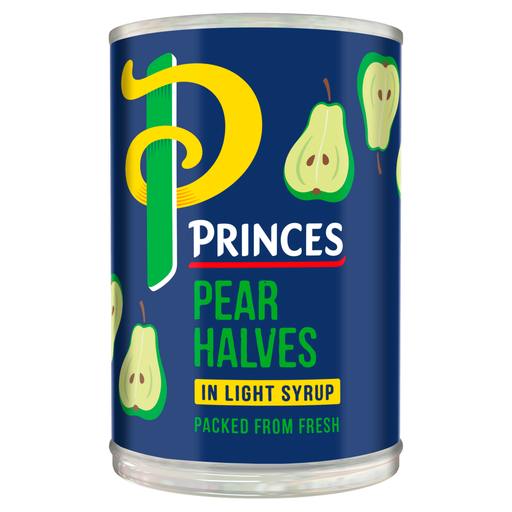
Princes Pear Halves in Syrup 410g
Consider these pear halves when the recipe calls for intact pieces and syrup rather than juice. The can is 410g; compare its ingredients with the other sweet components of the dessert and check the drained quantity if needed.
View on Joybuy
 No image available
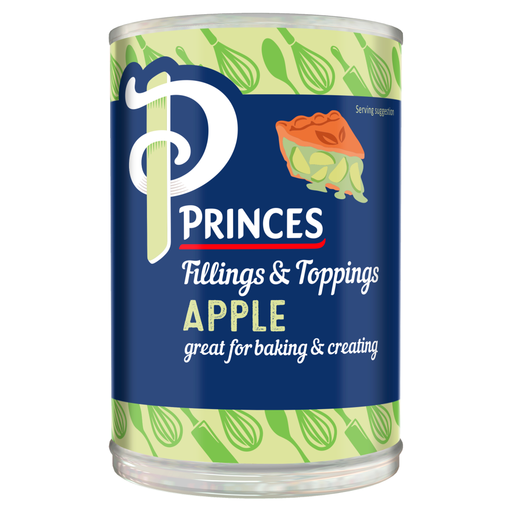
Princes Apple Fruit Filling 395g
A prepared apple filling is a different choice from halves or slices when planning a pie, crumble or cake. This is a 395g can; check the amount your recipe calls for rather than choosing it for a dessert that needs intact fruit pieces.
View on Joybuy
Frequently asked questions
What should I check on a tinned-fruit label?
Check the ingredients, highlighted allergens, quantity and date, then read any instructions for storage after opening. GOV.UK guidance on UK prepacked-food labelling covers ingredients and allergen information; use the label on the can you are buying for the product-specific details.
Is fruit in juice always the right choice for a Christmas dessert?
No. Decide whether the recipe needs juice-packed pieces, fruit in syrup or a prepared filling, then compare the exact labels. Princes lists peach slices in both juice and light syrup, while fillings serve a different purpose from intact fruit in a trifle or plated dessert.
How should I store tinned fruit left over after opening?
Follow the instructions on that can. For its grapefruit segments and rhubarb chunks, Marks & Spencer specifies transferring the contents to a non-metallic container, refrigerating them and eating them within two days; that timing should not be applied to every product.
Can I use a supermarket product page to check allergens?
Use the page to compare products, but read the label on the can before serving it to someone with an allergy. Marks & Spencer advises checking the product label rather than relying solely on website details, and GOV.UK guidance requires allergens present in prepacked food to be clearly identified.


