For a picnic where reducing added sugar is the priority, start with fruit in natural juice or water and check the pack for a no-added-sugar label rather than choosing syrup, including light syrup. Choose individual pots if separate portions matter, or a larger tin if you can serve and store its contents as directed. No added sugar does not mean sugar-free, so compare the “of which sugars” figure per 100g between similar fruits.
Who is choosing?
Shoppers reducing added sugar
If avoiding added sugar is your priority, check both the packing liquid and the current ingredients and nutrition label. The NHS advises choosing canned fruit in natural juice or water with no added sugar; the sugars figure still matters because fruit and juice contain sugars.
Packed-lunch portion planners
Separate fruit pots can be taken to a picnic without opening one large container for everyone. For a shared lunch, a larger tin may work when you can portion the fruit before travelling and follow its storage instructions afterwards.
Shared-picnic planners
When several people will share a tin, its total weight is not the same as its drained fruit weight. Compare the edible quantity where it is stated and check what the pack instructs you to do with any remainder.
What matters when buying?
Decide whether the packing liquid meets your added-sugar goal, then choose a fruit and pack format that suit how you will serve it at the picnic.
| Concern | What to check | Who this matters to |
|---|
| Added sugar |
Check for natural juice or water rather than syrup, then read the no-added-sugar wording and sugars per 100g on the exact pack. |
If I am bringing fruit to a picnic to avoid added sugar, I need to distinguish that goal from the sugars already in fruit and juice. About 36% of consumers put added-sugar checks first. |
| Portion format |
Choose between separate pots, a small tin and a sharing tin; check whether the fruit can be portioned before travel. |
For a packed lunch, I may want one ready-to-take portion rather than an opened sharing tin. Portion portability is the primary need for about 29% of consumers. |
| Fruit and cut |
Choose chunks, slices or segments for the intended serving style, and heed any pack warning about pips or fragments. |
If the fruit is going into a shared salad or straight onto plates, its type and cut shape matter to me. About 21% of consumers place that serving preference first. |
| Edible quantity and leftovers |
Compare drained weight where stated and read the product-specific instructions for fruit left after opening. |
When I am feeding several people, I want enough fruit without opening more than we can use or store as directed. Managing edible quantity and leftovers comes first for about 14% of consumers. |
What is easy to overlook?
-
Reading “no added sugar” as “sugar-free”
Fruit and its packing juice can still contain sugars. A Tesco-listed no-added-sugar pineapple in juice, for example, lists 10.4g sugars per 100g.
Use the claim to check for added sugar, then compare the “of which sugars” figure per 100g between similar fruit products.
-
Assuming light syrup is the same as juice
Light syrup remains a syrup option. Diabetes UK advises avoiding tinned fruit in syrup, including light syrup, when reducing sugar is the aim.
Look at fruit in natural juice or water first, and confirm the wording on the particular pack you intend to buy.
-
Judging the amount of fruit by container weight
A container’s stated weight includes its packing liquid. Sainsbury’s lists a 435g Del Monte sliced-pineapple tin with 260g drained weight.
Use drained weight, where shown, to compare how much fruit different packs will provide.
A larger pack can also leave fruit unused if it is more than the picnic needs.
-
Forgetting that opening changes the storage plan
Instructions vary by product. Marks & Spencer directs buyers to transfer its opened grapefruit segments to a non-metallic container, refrigerate them and eat them within two days.
Check the exact pack before travelling, especially if you expect to bring fruit home after the picnic.
Brands to consider
Princes
Princes lists pineapple chunks in juice in 227g and 432g sizes, offering different container sizes for a picnic.
- The manufacturer lists pineapple, pineapple juice and citric acid for its chunks in juice.
- Check the exact pack before relying on a no-added-sugar claim; juice packing alone does not establish its label wording.
Del Monte
Sainsbury’s lists Del Monte tinned-fruit choices in juice as well as mango slices in light syrup.
- The listed juice-packed choices include pineapple in a format suitable for slicing onto shared plates.
- Choose by the individual product label, not the brand name: its listed packing liquids differ.
Sainsbury’s
Sainsbury’s lists own-label fruit in juice alongside a light-syrup peach option.
- Its listed fruit-in-juice options include peaches, mandarins, apricots, pears and grapefruit segments.
- Check the packing liquid and current label for the specific fruit you choose.
Dole
Sainsbury’s lists both a 227g Dole pineapple tin and a 4 × 113g pineapple fruit-snack pack.
- The multipack offers separate portions for packed picnic lunches.
- The cited 227g pineapple slices carry a no-added-sugars claim; confirm the label separately for any other Dole product.
M&S
Marks & Spencer lists grapefruit segments in grapefruit juice for shoppers choosing citrus rather than pineapple or peach.
- The product provides segments for a spoonable picnic serving.
- The product instructions say to transfer leftovers to a non-metallic container, refrigerate and eat within two days; the segments may contain pips.
Joybuy fruit selections
These juice-packed pineapple, peach and mandarin products offer choices for shared picnic servings and separate packed portions. Check each pack’s added-sugar wording if that is your deciding requirement.
 No image available
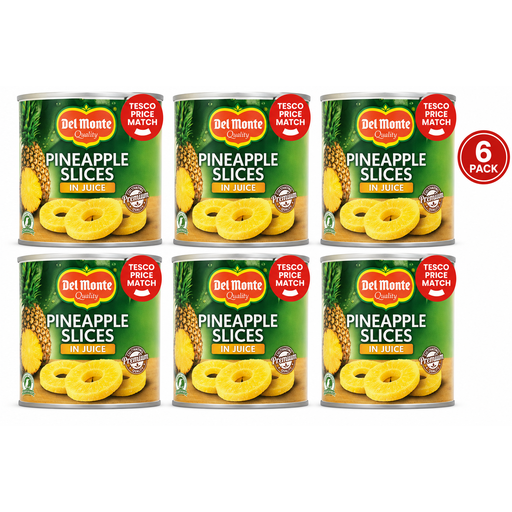
Del Monte Pineapple Slices in Juice 435g, pack of six
Consider this pack when several picnic servings or separate tins for later lunches would be useful. It contains six 435g tins of pineapple slices in juice; Sainsbury’s lists 260g drained weight for a 435g tin of this product. Check the current pack’s added-sugar wording and instructions for any opened tin.
 No image available
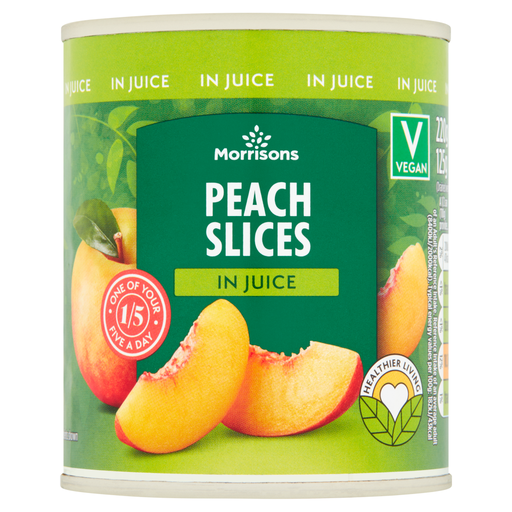
Morrisons Peach Slices in Juice 220g
This smaller tin offers peach slices in juice when a large sharing tin is unnecessary. Check its drained weight and current added-sugar wording if either affects your choice; take care to follow any pack warning about stone fragments.
 No image available
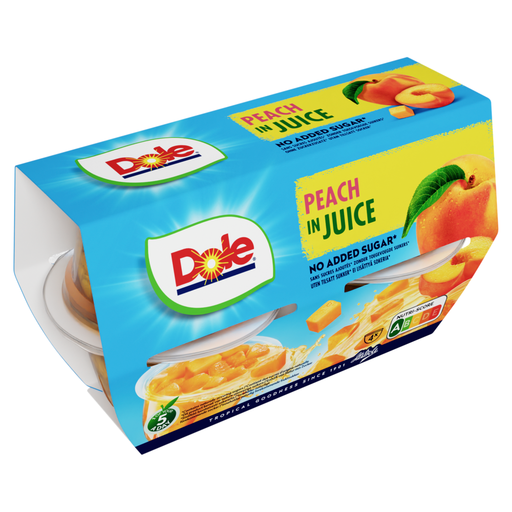
Dole Peaches in Juice, 4 × 113g
Four separate peach pots suit a picnic where people need individual portions rather than fruit served from one tin. The pots are packed in juice; check each pack’s ingredients and sugars per 100g when comparing them with other peaches.
 No image available
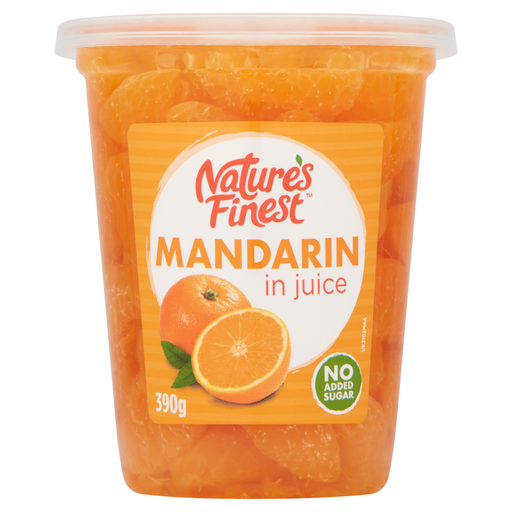
Nature's Finest Mandarins in Juice 390g
This 390g container offers mandarin segments in juice for spooning into picnic servings. Check its drained weight if the amount of fruit matters, and heed the product warning that seeds or fruit fragments may occur when serving young children.
 No image available
Princes Pineapple Chunks with Juice 432g
Pineapple chunks can be spooned into a shared picnic serving or a fruit salad. Princes lists pineapple, pineapple juice and citric acid for its chunks in juice; check this 432g tin’s current added-sugar wording and drained weight before using either as a buying criterion.
Picnic fruit questions
Does “no added sugar” mean tinned fruit is sugar-free?
No. Fruit and packing juice can still contain sugars. Tesco lists 10.4g sugars per 100g for its no-added-sugar pineapple in juice; compare the “of which sugars” figure per 100g between similar fruit products if total sugar matters to your choice.
What should I choose instead of syrup?
For an added-sugar-reduction goal, look for fruit in natural juice or water with no added sugar on the current label. The NHS recommends that packing choice, while Diabetes UK advises avoiding syrup, including light syrup, when reducing sugar.
Can tinned fruit count towards 5 A Day?
Yes. The NHS says 80g of fresh, canned or frozen fruit and vegetables counts as one portion, and advises choosing canned fruit in natural juice or water with no added sugar or salt.
What should I do with fruit left after opening a picnic tin?
Follow that product’s storage instructions rather than assuming every tin has the same timeframe. Marks & Spencer instructs buyers to transfer its opened grapefruit segments to a non-metallic container, refrigerate them and eat them within two days.


