Parents choosing fruit in juice
If tinned fruit is a regular lunchbox item, the packing liquid is a useful starting point. The NHS advises choosing fruit canned in natural juice rather than syrup.


For a regular school packed lunch, start with tinned fruit in natural juice rather than syrup, in line with NHS guidance. Then choose a fruit and tin size that suit the child and the number of portions you prepare: a larger tin gives you more to divide, but also leaves more to store after opening.
If tinned fruit is a regular lunchbox item, the packing liquid is a useful starting point. The NHS advises choosing fruit canned in natural juice rather than syrup.
One tin may need to be divided between several lunches or leave fruit for another meal. Princes lists its pineapple slices in juice in both 227g and 432g sizes, illustrating why pack size matters to the routine.
Fruit type, piece size, packing liquid and drained weight can all affect the choice. Tesco listings include both own-label fruit in juice and branded options, so compare the exact tins rather than relying on the brand name alone.
For a school packed lunch, decide on the packing liquid first, then consider how you will portion the fruit and use the rest of the tin.
| Concern | What to check | Who this matters to |
|---|---|---|
| Packing liquid | Look for “in juice” or “in natural juice”, then read the ingredients on the exact tin. Light syrup is not juice. | For a regular lunchbox fruit, I want juice rather than syrup. About 45% of consumers put the packing liquid first. |
| Portions and fruit shape | Check whether halves, slices, chunks or segments will be easy to divide and pack in a suitable container. | When I prepare lunches at home, I need pieces the child can manage without leaving much of an opened tin. Portioning is the main concern for about 33% of consumers. |
| Fruit choice and usable amount | Compare the fruit type, tin size and drained weight shown on the products you are considering. | If the child prefers a particular fruit, I want a tin we will use rather than one chosen for its size alone. About 22% of consumers primarily consider fruit choice and usable amount. |
They are different packing liquids, and the NHS advises choosing tinned fruit in natural juice rather than syrup.
Check the product description and ingredients for the particular variant you plan to pack.
Total weight includes the packing liquid, so two tins of similar size need not contain the same amount of fruit.
Compare drained weights where they are stated, alongside the fruit type and piece size.
The tin may supply more fruit than one lunch needs, and unused contents need to be handled according to that product’s instructions.
Choose a size that fits the lunches or other servings you expect to prepare, and follow the label after opening.
Princes lists several tinned-fruit types, including pineapple, peaches, pears and mandarins.
Tesco lists Del Monte peach products in juice as well as light-syrup variants.
Tesco listings provide an own-label route for comparing tinned-fruit types and formats.
M&S lists tinned fruit within its food-cupboard range.
These tins offer pineapple, peach and pear formats for portioning into school packed lunches at home. Check each label for its packing liquid and instructions after opening.
 Image unavailable
Consider this tin if pineapple slices suit the portions you prepare at home. The 435g pack is labelled as fruit in juice; follow its instructions for transferring and refrigerating any unused contents after opening.
 Image unavailable
Peach halves give you a different fruit shape to divide for lunch. This 415g tin is labelled as fruit in juice; refrigerate unused contents after opening and follow the product’s use-by instructions.
 Image unavailable
Choose chunks if that shape is more convenient for the lunch portions you prepare. The tin is 432g and labelled “With Juice”; check its drained weight when comparing the amount of fruit with another tin, and refrigerate leftovers as directed after opening.
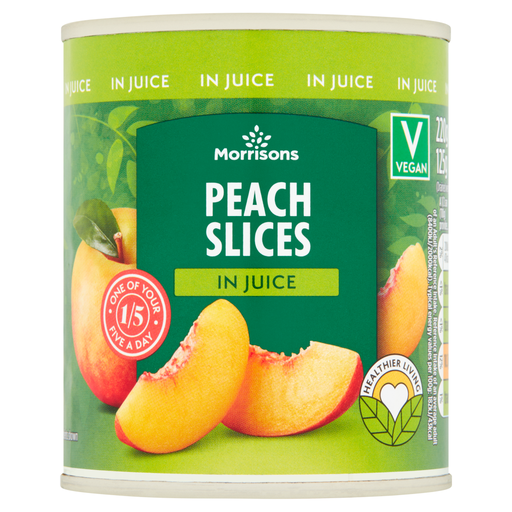 Image unavailable
This 220g tin may fit a routine that calls for fewer peach slices at a time. Check the fruit for occasional stone fragments before serving, particularly to young children, and follow the instructions for storing anything left after opening.
 Image unavailable
Consider pear halves if the child prefers pears and you can divide the tin into suitable portions. This 415g pack is labelled as fruit in juice; check its drained weight for a fruit-amount comparison and follow the storage instructions once opened.
For a regular packed-lunch choice, follow NHS guidance and choose fruit canned in natural juice rather than syrup. Check the exact tin: “light syrup” does not mean the fruit is packed in juice.
The NHS describes a child’s fruit portion as roughly the amount that fits in their palm; the appropriate amount varies with age and size. Drain and divide the fruit at home rather than treating a whole tin as one lunchbox portion.
Drain the fruit at home and put the portion in a clean, leak-resistant container. Follow the tin’s instructions for storing unused contents after opening, and check your school’s arrangements for lunch containers and food storage.