What matters when choosing?
Decide whether your dessert calls for juice-packed fruit or the added sweetness of light syrup. Then check serving quantity and fruit format before choosing a tin.
Fruit in juice
Choose when: You want fruit for a salad or topping without making syrup part of the recipe.
Bear in mind: Fruit in juice still has sugars, so read the nutrition panel rather than treating the packing liquid as a sugar figure.
Fruit in light syrup
Choose when: The dessert deliberately calls for a sweeter fruit component.
Bear in mind: The checked Princes light-syrup fruit cocktail lists more sugars and energy per 100g than its juice-packed counterpart, despite both listing less than 0.1g fat.
| Concern |
What to check |
Who this matters to |
| Fat and sweetness |
Compare fat, sugars and energy per 100g, and read the packing liquid and ingredients. |
If I want a low-fat dessert that is not led by syrup, I need to look beyond the fat figure. About 50% of consumers put that balance between fat and sweetness first. |
| Fruit to serve |
Use drained weight or stated servings to plan the shared bowl; check the label’s instructions for leftovers. |
When I am feeding a group, I need enough fruit to portion out without opening more tins than I can use. That serving-yield need comes first for about 30% of consumers. |
| Recipe fit |
Check the fruit varieties and piece format, along with any stone or pip warning. |
If my dessert needs a particular fruit or shape, a mixed cocktail and single-fruit segments are not interchangeable. Fruit format is the primary concern for about 20% of consumers. |
Tinned fruit selections on Joybuy
These tins offer fruit in juice for salads and desserts, plus a light-syrup mango option for recipes where added sweetness is intentional. Choose the fruit and piece format your dessert needs, then use the current label to compare nutrition and plan servings.
 No image available
Del Monte Pineapple Slices in Juice 435g
Consider pineapple slices when your dessert calls for larger pieces rather than a mixed-fruit cocktail. This is a 435g tin of pineapple in juice; check the drained weight when planning how much fruit to serve.
View on Joybuy
 No image available
Del Monte Peach Halves in Juice 415g
Peach halves give you a defined fruit shape for a dessert that calls for whole halves or pieces cut to order. The tin is 415g and contains fruit in juice; compare drained weight and the current nutrition label if serving size and sweetness matter.
View on Joybuy
 No image available
Princes Pineapple Chunks with Juice 432g
Choose the chunks format if you want pineapple pieces for a fruit bowl or dessert topping without starting from slices. This 432g tin contains pineapple with juice; check its stated servings against your guest count before opening tins.
View on Joybuy
 No image available
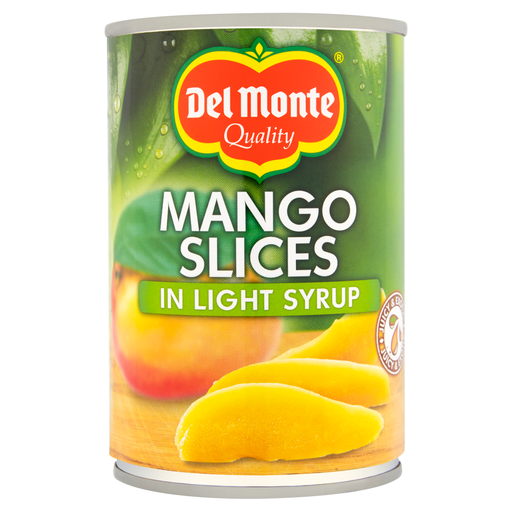
Del Monte Sliced Mango in Light Syrup 425g
This 425g tin is a different choice from fruit in juice: use the mango slices when light syrup suits the dessert you are making. Read the ingredients and compare sugars on the same stated basis as any alternative; do not choose it on a fat figure alone.
View on Joybuy
 No image available
Del Monte Pear Halves in Juice 415g
Consider pear halves when the recipe needs pears rather than mixed fruit or citrus segments. This 415g tin contains fruit in juice; confirm the usable fruit quantity on the current pack before relying on one tin for a shared dessert.
View on Joybuy
Common questions
Does low fat tell me which tin to choose?
No. The checked Princes fruit cocktails in juice and light syrup both list less than 0.1g fat per 100g, but their sugars and energy values differ. Compare those figures per 100g and read the packing liquid and ingredients before choosing for your dessert.
Should I choose tinned fruit in juice or syrup?
Choose fruit in juice when you do not want syrup to add sweetness; light syrup is an option when that sweetness is deliberate. NHS guidance advises choosing canned fruit in natural juice or water with no added sugar or salt, so check the particular tin’s ingredients rather than relying on its format alone.
How do I work out how much fruit a tin will serve?
Look for drained weight or stated servings, because net weight includes the packing liquid. Tesco, for example, lists its 410g Chunky Fruit Medley in Juice with a 240g drained weight; use the figure on the tin you plan to serve.
What should I do with fruit left after the party?
Follow the opened-pack instructions for the exact tin. The checked product information calls for transferring unused fruit to a suitable container and refrigerating it, but use-within periods vary by product.
Can traffic-light labels help me compare tins?
Yes, when a pack has one. GOV.UK guidance describes traffic-light labelling as a way to compare calorie, fat, sugar and salt information; check the figures per 100g as well, so you are comparing products on the same basis.


