What should you check?
Start with the intended portion and when you will eat it. For a solid food described as low fat, legislation.gov.uk states a limit of no more than 3 g fat per 100 g; that threshold says nothing about its sugar content.
| Concern |
What to check |
Who this matters to |
| Pre-ride snack fit |
Check fat and carbohydrate per 100 g, then work out the values for your planned portion. Consider when you will eat it. |
Before a ride, I want a fruit portion that fits the snack I have planned rather than choosing by the low-fat description alone. About 33% of consumers put pre-ride snack fit first. |
| Portions and leftovers |
Compare pack and drained weights, and read the exact tin’s instructions for storage after opening. |
When a tin is more than I will eat at once, I need to know whether I can use the remainder as directed. For about 25% of consumers, portion and leftover practicality is the primary concern. |
| Fruit and packing liquid |
Compare fat and sugars on the exact juice- or syrup-packed product; check values for the portion you intend to eat. |
For a fruit dessert, I want to choose its sweetness without mistaking low fat or light syrup for low sugar. That distinction comes first for about 25% of consumers. |
| After-ride snack pairing |
Check protein on the fruit label and decide whether another food belongs in your snack. |
After cycling, I may want fruit as one part of a snack rather than rely on it for protein. About 17% of consumers prioritise that pairing decision. |
Tinned fruit selections on Joybuy
These Del Monte tins include fruit in juice and peaches in light syrup. Compare the packing liquid, pack size and nutrition panel against the snack or dessert you intend to make.
 Image unavailable
Del Monte Pineapple Slices in Juice 435g
Consider these pineapple slices when you want fruit in juice for a planned snack or dessert. The tin is 435g; check its drained weight and nutrition panel for the portion you will use.
View on Joybuy
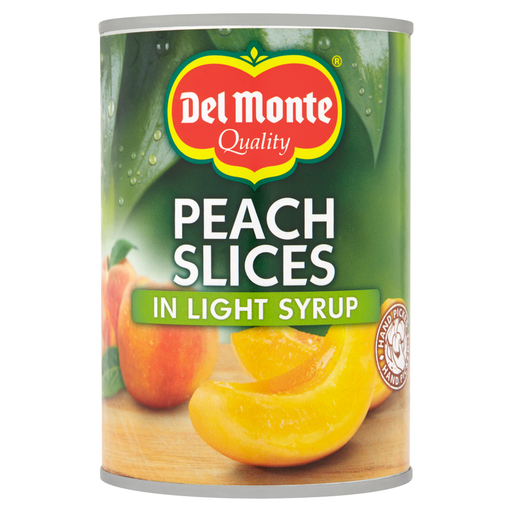 Image unavailable
Del Monte Peach Slices in Light Syrup 420g
Consider this 420g tin if you prefer peaches in light syrup. Light syrup does not tell you the product’s sugar content, so compare its nutrition panel with a peach-in-juice option.
View on Joybuy
 Image unavailable
Del Monte Fruit Cocktail in Juice 415g
This 415g fruit cocktail suits a preference for mixed fruit in juice. Check the label for the fruit mix, nutrition values and how much you intend to serve.
View on Joybuy
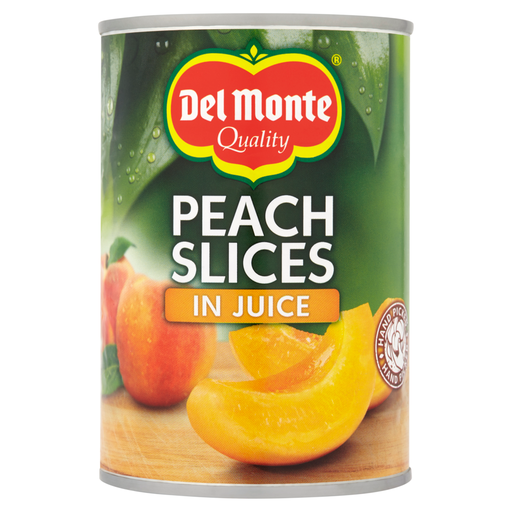 Image unavailable
Del Monte Peach Slices in Juice 415g
Choose this 415g format if peaches in juice fit the dessert or snack you have in mind. Compare its sugars and carbohydrate per intended portion with the light-syrup peach tin rather than relying on the packing description.
View on Joybuy
 Image unavailable
Del Monte Pear Halves in Juice 415G
These pear halves offer a 415G fruit-in-juice option. Read the exact tin’s nutrition panel and opened-can instructions when planning portions over more than one snack.
View on Joybuy
Questions about tinned fruit and cycling
Does low fat mean tinned fruit is low in sugar?
No. Legislation.gov.uk gives separate conditions for these claims on solid foods: no more than 3 g fat per 100 g for low fat and no more than 5 g sugars per 100 g for low sugar. Check both figures on the exact tin; Princes Food and Drinks lists 0.0 g fat and 11.8 g sugars per 100 g for its Peach Slices with Juice.
Can I include tinned fruit in a pre-ride snack?
Yes, it can be the fruit component of a planned snack, provided the portion and timing suit you. University College London Hospitals NHS Foundation Trust advises that a snack 60–90 minutes before exercise should include carbohydrate, protein and minimal fat; a tin of fruit need not supply every part of that snack.
Is tinned fruit enough on its own after cycling?
If you are planning a snack that includes protein, check what else you will eat with the fruit. Del Monte Europe lists 0.3 g protein per 100 g for Pear Halves in Juice, and Princes Food and Drinks lists 0.5 g per 100 g for Peach Slices with Juice; those product figures do not make either fruit a substantial protein component.
How should I store fruit left in an opened tin?
Follow that product’s label. Asda instructs customers to transfer unused pear halves or peach slices to a suitable non-metallic container, cover and refrigerate them, and use them within four days. M&S gives a two-day refrigerated period after transfer for its Grapefruit Segments.


