Parents planning one larger bake
For a traybake, cake or crumble, check how much drained fruit the recipe needs before choosing a larger tin. The cut also matters if children will help add the fruit.


Choose a larger tin when one bake will use most of its fruit; choose separately sealed smaller tins when you bake in several short sessions. Match chunks, slices or halves to the recipe and the amount of adult preparation needed. Compare drained fruit weight rather than tin size alone, then check the packing liquid and instructions for any leftovers.
For a traybake, cake or crumble, check how much drained fruit the recipe needs before choosing a larger tin. The cut also matters if children will help add the fruit.
If each activity uses only a little fruit, separately sealed smaller tins let you open one at a time. Check that each tin contains a useful amount for the recipes you have planned.
When the recipe calls for a particular fruit cut or packing liquid, compare the exact product labels. Ingredients, nutrition information and allergen statements need a product-specific check.
Start with the amount and cut of fruit the bake needs. Then decide whether one large tin or several unopened smaller tins fit your baking plans.
| Concern | What to check | Who this matters to |
|---|---|---|
| Usable fruit and pack size | Compare drained weight with the recipe quantity, then check how many separately sealed tins the pack contains. | For one large bake or several small ones, I want enough fruit without opening more tins than I need. About 33% of consumers would put usable quantity and pack size first. |
| Fruit cut | Choose pieces or chunks for stirring through a mixture, or slices when the recipe needs their shape; check whether halves need cutting. | If children are helping to spoon fruit into a bake, I want to limit the cutting an adult must do. Fruit cut would be the primary concern for about 27% of consumers. |
| Packing liquid and ingredients | Check whether the fruit is in juice or syrup, and read the exact tin’s ingredients, nutrition and allergen information. | When a recipe calls for a particular liquid or sweetness, I need to know what is in this tin. About 20% of consumers would make those product details their first consideration. |
| Leftover storage | Read the product’s instructions for transferring, refrigerating and using fruit left after opening. | If a bake uses only part of a tin, I need a workable plan for the rest. For about 20% of consumers, handling leftovers would come first. |
Net weight includes the packing liquid. Tesco Groceries and Sainsbury's show drained-weight information for some tins, which can change how well a tin matches a recipe quantity.
Use the drained weight where available when working out how many tins the bake needs.
Leftover instructions vary by product. Tesco Groceries says to use its 227g pineapple slices within two days of opening, while the instructions on other named products differ.
Plan how to use the remainder within the exact tin’s stated storage period, or consider separately sealed smaller tins.
Retailer ranges include fruit in juice and fruit in light syrup, as well as different cuts of the same fruit. A label for one variant does not describe another.
Check the selected tin’s packing liquid, ingredients and nutrition panel against the recipe.
A product listing does not establish that a tin can be delivered for your baking date.
Check current stock and delivery eligibility before planning the bake, and use the physical label for the product details when the tin arrives.
Tesco Groceries lists several own-label pineapple cuts and sizes, including a 4 × 120g pieces multipack and larger tins.
Sainsbury's lists own-label fruit in juice and peach slices in light syrup, providing options for recipes that call for different packing liquids.
UK retailer listings include Del Monte peaches, pears, pineapple and fruit cocktail in juice, with different fruit cuts.
Princes has a 432g pineapple-chunks tin in juice, a format for recipes using pieces rather than whole slices.
The M&S tinned-fruit range shown includes 560g rhubarb chunks and 540g grapefruit segments.
These tins and six-packs cover repeated baking sessions, a larger single bake and recipes needing particular fruit cuts or packing liquids. Match each format to the quantity your recipe will use.
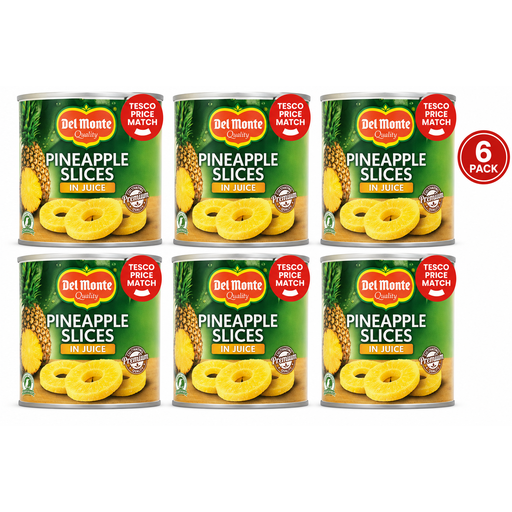 Image unavailable
Consider the separate tins for repeated baking sessions or the slices for a shaped topping. This pack contains six 435g tins; an adult may need to cut slices for recipes requiring smaller pieces. Check drained weight against the recipe.
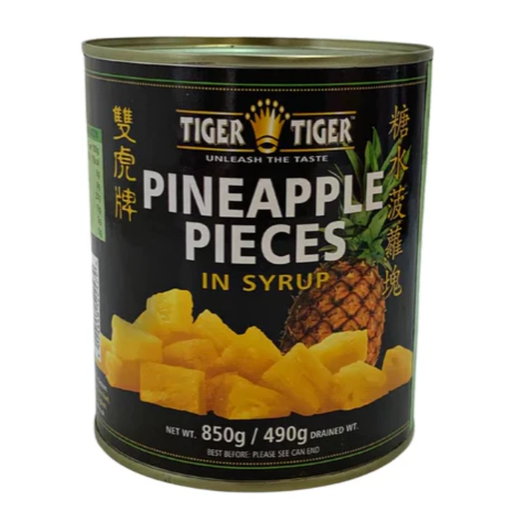 Image unavailable
The single 830g tin is worth considering for a larger bake that calls for pineapple pieces. Check its drained fruit weight against the recipe, whether the light syrup suits it and how you will use any leftovers.
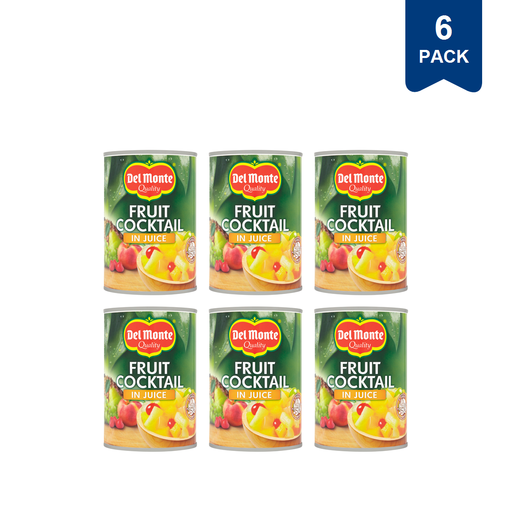 Image unavailable
Consider this format for several baking sessions when the recipe allows mixed fruit. The bundle contains six 415g tins in juice. Check the fruit mix and drained quantity for the bake you intend to make.
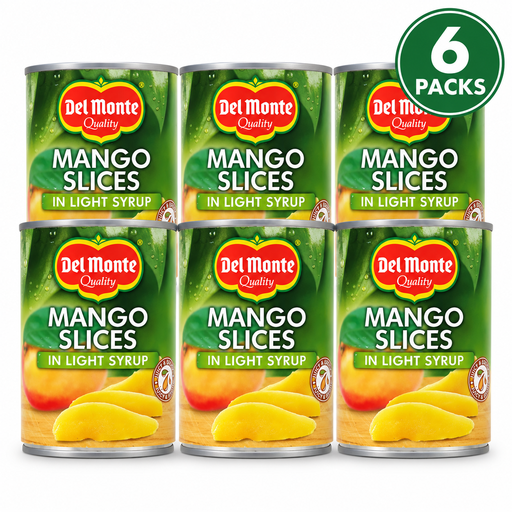 Image unavailable
The six separate tins can suit repeated sessions when sliced mango in light syrup fits the recipe. Each tin is 425g. Check the packing liquid against the recipe and allow for adult cutting if smaller pieces are needed.
 Image unavailable
Consider this single tin for a bake that can use pear halves, or where an adult can cut or mash them. It contains 415g of pears in juice. Check the drained quantity and the label’s instructions if fruit will remain after opening.
Choose a large tin if one bake will use most of its drained fruit; separately sealed smaller tins may suit several short sessions. Check the fruit quantity per tin and how many tins you would need to open.
Choose the packing liquid the recipe calls for, especially if you will use some of it in the bake. UK retailer listings include both juice-packed fruit and light-syrup options; read the exact tin’s ingredients and nutrition panel rather than assuming two variants are alike.
Follow that product’s label for the container, refrigeration and use period. For example, Tesco Groceries instructs buyers of its 227g pineapple slices to transfer unused fruit to a non-metallic container, cover and refrigerate it, then consume it within two days. Do not apply that period to every tin.
GOV.UK explains that best-before dates concern quality and lists tinned foods among products that may carry them. Food past that date is usually safe to eat but may have changed in quality; follow its storage instructions. A use-by date has a different, safety-related meaning.
Read the physical label on the exact tin, including its ingredients and any precautionary allergen statement, rather than relying on an older listing. The Food Standards Agency describes precautionary statements such as “may contain” as communicating possible unintended allergen presence.