Salt-label-first hosts
If listed salt is your main concern, compare the exact tins rather than relying on the packing-liquid description. GOV.UK advises using food labels to compare salt, alongside other nutrition information.


For a book-club table, compare salt per 100g on the exact tin rather than assuming that fruit packed in juice has the lowest listed value. Then check sugars, drained weight and stated servings: the packing liquid and the amount of fruit you can share may change which tin suits the group.
If listed salt is your main concern, compare the exact tins rather than relying on the packing-liquid description. GOV.UK advises using food labels to compare salt, alongside other nutrition information.
For fruit served on its own or as a topping, the choice of juice or syrup matters alongside salt. The Asda peach listings show why it helps to read both declarations for the particular tin.
For a shared bowl, drained weight and stated servings help you judge how much fruit is available. Check the tin’s after-opening instructions if some may be left over.
Start with the exact tin’s salt declaration, then decide whether its packing liquid and usable quantity work for the way you plan to serve it.
| Concern | What to check | Who this matters to |
|---|---|---|
| Listed salt | Compare salt per 100g on the exact tin, using the same nutrition-table basis; check the stated serving value too. | If I am choosing fruit chiefly by its salt declaration, the wording on the front of the tin is not enough. Listed salt is the primary concern for about 42% of consumers. |
| Juice or syrup | Read the ingredients and compare sugars per 100g on like-for-like bases, as well as salt. | When the fruit will become a shared dessert, I want to know what the packing liquid contributes. About 33% of consumers put the juice-or-syrup and sugars comparison first. |
| Fruit to share | Check drained weight, stated servings and the tin’s after-opening storage instructions. | For a small gathering, I need enough fruit to serve without planning around an unnecessarily large opened tin. Portioning and leftovers come first for about 25% of consumers. |
Labels need to be compared on the same basis. For example, Asda lists 10g sugars and 0.05g salt per 100g drained for its Peach Slices in Fruit Juice, against 14g sugars and 0.06g salt per 100g drained for its Just Essentials Peach Slices in Light Syrup. Those figures describe two specific products, not every juice- and syrup-packed tin.
Princes lists 0.01g salt per 100g for Fruit Cocktail with Juice and 0.05g per 100g for Pineapple Chunks in Juice. The shared description of the packing liquid does not make their salt declarations identical.
Compare the salt line for the particular fruit and tin you intend to serve.
Asda’s peach slices in fruit juice and Just Essentials peach slices in light syrup have different sugars declarations when compared per 100g drained.
Read the ingredients and sugars value alongside salt, then choose the format that suits how you will serve the fruit.
Some of the tin’s total weight is packing liquid. Tesco’s 410g Peach Slices in Juice tin states a 250g drained weight and two servings.
Plan the shared bowl using drained weight and stated servings, and read the storage instructions before counting on leftovers.
A reference for pineapple chunks and fruit cocktail packed in juice.
Its Peach Slices in Juice provide figures useful for planning a shared serving.
Its tinned-fruit range includes mandarin segments in fruit juice.
Its peach slices offer a direct product-specific comparison between fruit juice and light syrup.
A tinned-fruit line represented here by fruit packed in juice and light syrup.
Its tinned-fruit catalogue includes grapefruit segments and rhubarb chunks.
These tins include pineapple, pears and peaches in juice, plus mango in light syrup. For a salt-focused book-club choice, compare each current label and plan portions around the fruit you will serve.
 No image available
Pineapple slices in juice offer a fruit-bowl option. If listed salt is your deciding factor, check the current tin’s per-100g declaration; use its drained weight and serving information to plan for the group.
 No image available
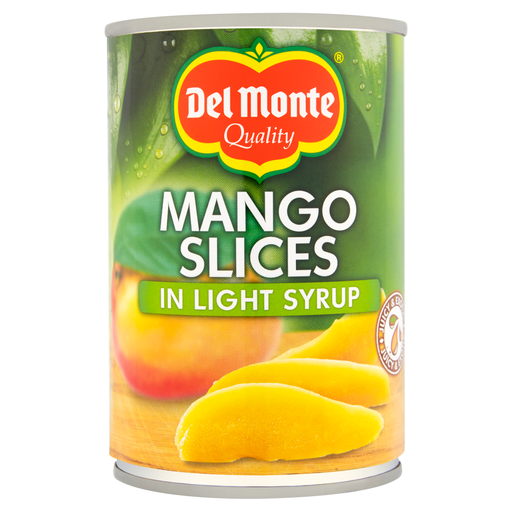
This mango is a light-syrup option for a shared dessert. Compare its salt and sugars declarations with any juice-packed alternative, and check the tin’s usable quantity before deciding how many to serve.
 No image available
Pineapple chunks in juice can be served from a shared bowl. Princes lists 0.05g salt per 100g for Pineapple Chunks in Juice; confirm the declaration on the current 432g tin and check its serving information when planning portions.
 No image available
Pear halves in juice are another fruit format for the table. Check the current salt declaration and drained weight before choosing this tin for a group, particularly if each person will have a portion.
 No image available
Peach halves in juice may suit a bowl or dessert topping. If minimising listed salt is the main priority, compare this exact tin’s current per-100g value with the other fruits you are considering; check drained weight for serving plans.
No. Compare the salt declaration for the exact tinned-fruit product, preferably per 100g on the same basis as any alternative, then check the stated serving value. A search phrase cannot tell you what is on an individual tin’s nutrition panel.
Not on salt alone: check both salt and sugars for the specific products. Asda lists 0.05g salt and 10g sugars per 100g drained for its peach slices in fruit juice, compared with 0.06g salt and 14g sugars per 100g drained for its Just Essentials peach slices in light syrup.
Follow the instructions on the tin you opened. Tesco directs buyers of its Peach Slices in Juice to transfer unused contents to a non-metallic container, cover and refrigerate them, and consume them within two days; check other products’ labels rather than applying that period to every tin.
Use it as a quick comparison where one appears, but read the nutrition panel for the exact figures and their per-100g or per-serving basis. GOV.UK says traffic-light labels can help shoppers compare salt, sugars, fat and calories at a glance.