Hosts arranging a dessert display
If the fruit will sit beside cakes or appear in a layered dessert, recognisable pieces, their cut and the quantity available after draining shape what you can serve.


Choose the fruit format to match the afternoon-tea dessert: halves, slices or segments give you pieces to arrange visibly, while prepared fruit filling suits pies, crumbles and cheesecake toppings. Fruit in light syrup fits a deliberately sweeter dessert; for a less syrup-heavy course, look for natural juice or water with no added sugar or salt, and check the exact tin’s ingredients and nutrition panel. Neither packing liquid nor a familiar brand tells you how much fruit you will have after draining.
If the fruit will sit beside cakes or appear in a layered dessert, recognisable pieces, their cut and the quantity available after draining shape what you can serve.
If the fruit will accompany other sweet foods, compare the packing liquid, ingredients and sugars on the nutrition panel rather than relying on the words “in juice”.
For a pie, crumble or cheesecake topping, decide whether the recipe calls for plain fruit or a ready-made filling before choosing a tin.
Start with how the fruit will appear in the finished dessert, then check its packing liquid or filling and the amount needed for your guests.
| Concern | What to check | Who this matters to |
|---|---|---|
| Visible fruit | Check whether the tin contains halves, slices or segments, and compare drained weight where stated. | I want to arrange recognisable pieces on a dessert plate rather than hide the fruit in a filling. About 40% of consumers put presentation first. |
| Packing liquid | Distinguish juice or water from light syrup; read the ingredients and sugars per 100g on the exact tin. | With cakes and other sweet accompaniments already on the table, I would rather choose the fruit’s sweetness deliberately. Controlling the packing liquid is the primary need for about 30% of consumers. |
| Prepared filling | Check whether the product is plain fruit or a filling, then whether its consistency suits the recipe. | When I am making a pie, crumble or cheesecake topping, a prepared ingredient matters more than pieces I can arrange. About 30% of consumers chiefly want that dessert-making shortcut. |
Juice-packed fruit can still contain sugars. Sainsbury’s lists 11.0g sugars per 100g for its peach slices in refined grape juice; the wording on the front of a tin does not replace its ingredients and nutrition panel.
Compare exact products using the ingredients and per-100g figures. If avoiding added sugar is the priority, look specifically for natural juice or water with no added sugar or salt, as advised by the NHS.
Princes describes its fruit fillings as ingredients for cheesecake toppings, pies and crumbles. A filling serves a different purpose from halves or slices arranged where guests can see them.
Decide whether the fruit will be a visible garnish, a layer or a prepared filling before choosing the format.
The total weight includes packing liquid, so it does not by itself tell you how much fruit can be arranged on plates.
Compare drained weight where stated and check the intended number of servings against your dessert plan.
Opened-pack instructions vary by product. Sainsbury’s directs buyers of its peach slices to transfer the contents to a non-metallic container, refrigerate them and use them within one day.
Follow the instructions on the tin you serve, and plan when to open it around dessert preparation.
Tesco Groceries lists Del Monte peaches, pears and other tinned fruits in formats including juice and light syrup.
Tesco Groceries lists Princes fruit fillings, including black cherry and apple. Princes describes its fillings for desserts such as cheesecake toppings, pies and crumbles.
Tesco Groceries lists own-label formats including peach slices, pear-and-peach pieces, pineapple and fruit pots.
Sainsbury’s lists a 213g tin of peach slices in refined grape juice, a defined quantity to consider for a small dessert component.
M&S presents tinned rhubarb chunks and grapefruit segments; it describes the rhubarb as an option for pies and crumbles.
These selections cover defined fruit pieces for arranging, sliced fruit in light syrup for a sweeter dessert, and prepared fillings for baking or topping.
 Image unavailable
Choose halves when you want recognisable peach pieces to arrange on a dessert plate. The tin is labelled as fruit in juice; check its ingredients, nutrition panel and drained weight when planning portions.
 Image unavailable
Pear halves give you a defined shape for a plated or layered dessert. Check the pack’s drained weight and serving information before deciding how many tins the party needs.
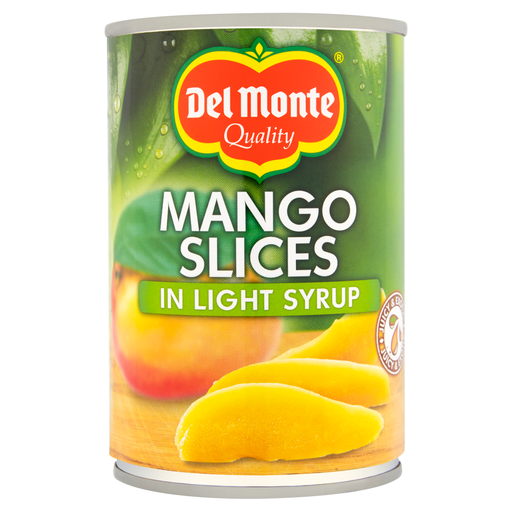 Image unavailable
Consider sliced mango when the dessert calls for fruit pieces and a light-syrup style is intentional. Account for the syrup alongside other sweet components, and check the drained weight for plating.
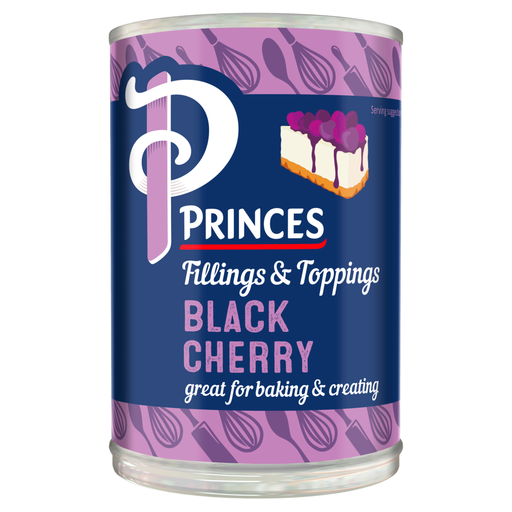 Image unavailable
This prepared filling suits a cherry topping, pie or crumble rather than a platter of intact fruit. Check its sweetness and consistency against the recipe, and heed the pack warning that cherry stones may be present.
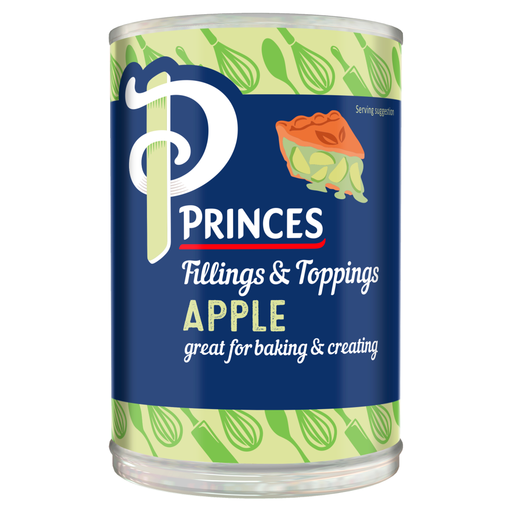 Image unavailable
Use an apple filling when the afternoon-tea menu calls for a prepared pie, crumble or cake component. It is a filling rather than plain pieces for arranging; check its consistency, ingredients and pack quantity against the recipe.
Choose according to the dessert you intend to serve: light syrup suits an intentionally sweeter result, while the NHS advises choosing canned fruit in natural juice or water with no added sugar or salt. Read the exact tin’s ingredients and nutrition panel; “in juice” alone does not settle the added-sugar question.
No. The NHS says 80g of canned fruit counts as one 5 A Day portion, but that is not a rule for plating an afternoon-tea dessert. Plan the quantity around the recipe, accompaniments and fruit available after draining.
Follow the instructions on the exact tin. Sainsbury’s directs buyers of its peach slices to transfer the contents to a non-metallic container, refrigerate them and use them within one day; do not apply that product’s timeframe to every tin.
A best-before date concerns quality, not a guarantee of how the fruit will look or taste when served. GOV.UK distinguishes best-before dates from use-by dates and notes that food past its best-before date may not taste as good; check the pack, storage conditions and fruit itself when planning a presentation-led dessert.