Choose tinned fruit in juice if avoiding syrup matters most; choose a dessert-oriented fruit or filling when it suits the pudding you plan to make. For a quick breakfast or dessert in a new-parent household, check the fruit format, packing liquid, pack size and storage instructions rather than relying on a “luxury” label.
Who this is for
Parents short on preparation time
Ready-prepared fruit can go into a breakfast bowl, onto yoghurt or into a simple dessert without peeling and cutting. Tesco Groceries lists tinned fruit in several formats, while M&S and Princes describe specific breakfast and dessert uses.
Shoppers avoiding syrup
If the packing liquid is your deciding factor, look for fruit in juice and check the ingredients and nutrition panel of the particular can. The NHS recommends tinned fruit in juice rather than syrup when choosing a snack without added sugar.
Households thinking ahead to weaning
Fruit bought for an adult breakfast or dessert is a separate choice from food for a baby. The NHS says solid foods generally begin at around six months; check ingredients and texture for the child when that stage arrives.
What to check when buying
Start with how you intend to serve the fruit, then check the packing liquid and how much of the can you are likely to use after opening.
| Concern |
What to check |
Who this matters to |
| Quick serving |
Choose slices or segments for spooning onto yoghurt or into a bowl; check the pack size if you want a small serving. |
When breakfast needs to come together quickly, I want fruit that needs little preparation. About 40% of consumers put quick serving first. |
| Packing liquid |
Check whether the fruit is in juice, light syrup or syrup, then read the ingredients and sugars per 100g on the exact pack. |
If I would rather avoid syrup, the liquid matters more to me than a dessert suggestion on the label. For about 30% of consumers, that is the primary concern. |
| Dessert format |
Match the fruit to the dish: M&S suggests rhubarb chunks for custard or crumbles; Princes describes its fruit cocktail in juice for trifle. |
For a pudding with little assembly, I need fruit in a form that fits the recipe. About 20% of consumers prioritise the dessert result. |
| Later baby use |
If the fruit is eventually intended for a baby, check ingredients and texture separately from its suitability for adults. The NHS says solids generally start at around six months. |
Thinking ahead to weaning, I would not assume that an adult dessert product is suitable for a baby. That is the main concern for about 10% of consumers. |
Buying pitfalls
-
Choosing by a “luxury” description alone
A dessert-led description does not tell you whether the can contains intact halves, mixed pieces or fruit in syrup.
Choose the fruit shape and packing liquid for the dish you have in mind: for example, rhubarb for custard or fruit cocktail for trifle.
-
Reading “in juice” as “sugar-free”
The NHS distinguishes fruit in juice from fruit in syrup when discussing added sugar, but a juice-packed product can still show sugars on its nutrition panel.
Use the packing liquid as a starting point, then compare ingredients and sugars per 100g on the cans you are considering.
-
Opening a can without a plan for the rest
An adult may need only some of a can for breakfast, leaving the remainder for another use.
Check the product’s after-opening instructions and choose a pack size you can use within its stated period.
Unused fruit may go to waste if you cannot use it in time.
-
Treating an adult dessert as baby food
A fruit product chosen for a parent’s convenience does not automatically have ingredients or a texture suitable for a baby. The NHS says solid foods generally begin at around six months.
Keep the adult dessert choice separate from weaning decisions, and follow NHS guidance on readiness, ingredients and age-appropriate texture.
Brands to consider
M&S
M&S describes tinned rhubarb for pies, crumbles or custard, alongside grapefruit segments packed in grapefruit juice.
- Rhubarb Chunks offer a ready-prepared component for a warm dessert.
- The rhubarb is in light syrup; choose by the individual product rather than assuming both fruits use the same packing liquid.
Princes
Princes lists peach slices and a fruit cocktail in juice, with the cocktail described as an option for trifle.
- Peach slices offer a single-fruit format for a quick topping.
- The fruit cocktail contains fruit in variable proportions, so check its ingredients if a particular mix matters.
Del Monte
Del Monte describes pear halves in juice for desserts and fruit salads; Tesco Groceries also lists Del Monte fruit in different packing liquids.
- Pear halves offer a different serving format from slices or mixed pieces.
- Check each can’s packing liquid: the brand’s listed products are not all packed in juice.
Tesco
Tesco Groceries lists own-label fruit formats alongside branded tinned fruit, making its category range useful for comparing product types.
- The listing includes different fruit forms and pack formats.
- A category listing does not establish that every product has the same ingredients or packing liquid.
Joybuy tinned-fruit selections
These products cover juice-packed fruit for quick serving, light-syrup mango, mixed fruit and a ready-to-use dessert filling. Choose by the dish and packing liquid rather than treating them as interchangeable.
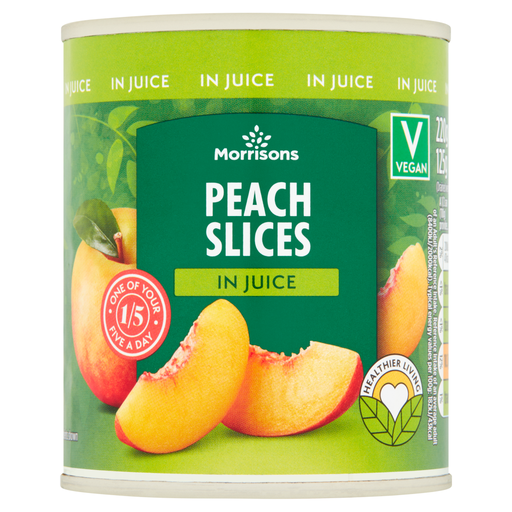 Image unavailable
Morrisons Peach Slices in Juice 220g
For a quick fruit topping when you want slices packed in juice rather than syrup. The 220g pack may suit a smaller serving; check its drained weight and after-opening instructions against how you plan to use it. Take care when serving, as the product information warns that occasional stone fragments may remain.
View on Joybuy
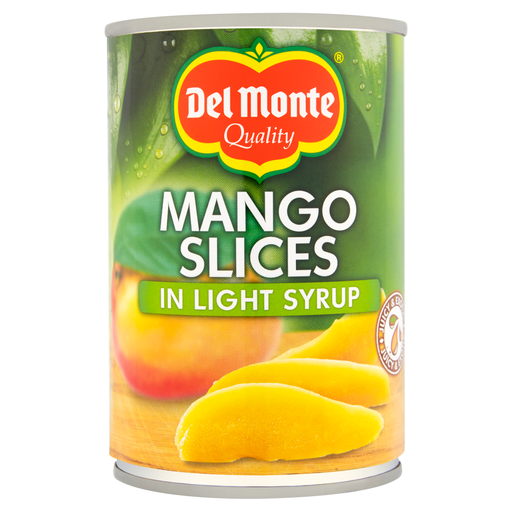 Image unavailable
Del Monte Sliced Mango in Light Syrup 425g
Choose these mango slices for a dessert topping when light syrup fits the dish. The 425g can is not the juice-packed choice; check its ingredients and after-opening instructions if either is decisive for your household.
View on Joybuy
 Image unavailable
Del Monte Pear Halves in Juice 415g
Pear halves give you a juice-packed fruit format for serving whole or using in a dessert. Check the 415g can’s nutrition panel and opened-can directions if you expect to use it over more than one occasion.
View on Joybuy
 Image unavailable
Del Monte Fruit Cocktail in Juice 415g
This 415g fruit cocktail offers a mixed-fruit option packed in juice for a simple dessert. If you need a particular fruit combination or want to avoid a specific ingredient, check the exact can rather than relying on the cocktail name.
View on Joybuy
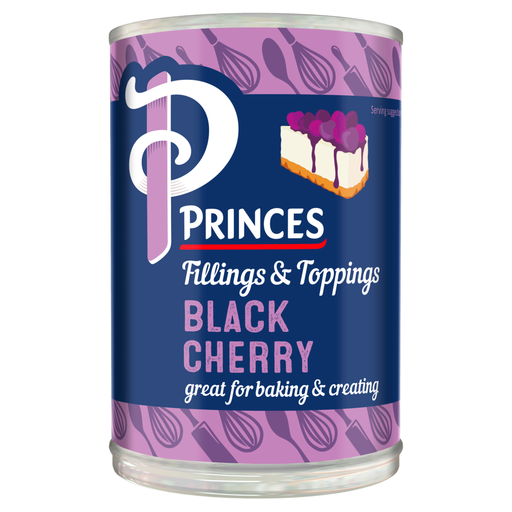 Image unavailable
Princes Black Cherry Fruit Filling 410g
Choose this 410g fruit filling when you want a dessert component rather than plain tinned fruit. It is not a juice-packed can; check the ingredients, and take care when serving because the product information warns that cherry stones may be present.
View on Joybuy
Frequently asked questions
Should I choose tinned fruit in juice instead of syrup?
Choose fruit in juice if avoiding syrup is your priority. The NHS recommends tinned fruit in juice rather than syrup as a snack option without added sugar, but “in juice” does not mean sugar-free; check the exact product’s ingredients and nutrition panel.
Can I serve tinned fruit to a newborn?
Do not treat tinned fruit as a newborn feeding essential. The NHS says solid foods generally begin at around six months; when your baby is ready for solids, assess the ingredients and texture for the child rather than using an adult dessert product by default.
What should I do with tinned fruit after opening it?
Follow the instructions on the particular can for transferring, refrigerating and using the remaining fruit. Check those directions before choosing a pack size, especially if you expect to use only part of it at once.
Do I need to check my medicines before choosing grapefruit segments?
If you take medication that may interact with grapefruit, ask a pharmacist or prescriber before making grapefruit segments a regular choice. Collingwood Health Group’s NHS guidance notes that grapefruit can affect the levels of some medicines in the blood.


