Batch bakers using fruit across several trays
If you bake repeatedly, work out how much drained fruit the batches need. The tin’s total weight includes packing liquid, and slices may need cutting before they suit your recipe.


For biscuit batches that will use most of a large tin, compare its drained weight and fruit cut before choosing it over smaller portions. If you are testing one recipe or may have fruit left over, smaller units can be easier to use up; check whether a multipack contains full-size tins or individual fruit portions.
If you bake repeatedly, work out how much drained fruit the batches need. The tin’s total weight includes packing liquid, and slices may need cutting before they suit your recipe.
For one trial batch, consider how much fruit will remain after you open a unit. A smaller tin or individual portion may fit the recipe more closely; check its drained content and storage instructions.
If the recipe calls for a particular fruit, cut or packing medium, check the exact product label. This matters especially when comparing fruit in juice with fruit in syrup or checking ingredients before baking for someone else.
Start with the fruit quantity your biscuit recipe requires, then choose a cut, packing medium and unit size that fit your baking plans.
| Concern | What to check | Who this matters to |
|---|---|---|
| Usable fruit quantity | Compare drained weight, where stated, with the amount needed for your batches. Tesco Groceries lists its 4 × 120g pineapple portions at 4 × 75g drained. | If I am baking several trays, I need enough fruit after the liquid is drained. About 29% of consumers put usable fruit quantity first. |
| Recipe fit | Choose pieces, chunks, slices or halves to suit the recipe, then check the exact juice or syrup variant’s ingredients. | When I want fruit distributed through the biscuit mixture, the cut matters; the packing medium must also suit my recipe. For about 29% of consumers, recipe fit is the primary concern. |
| Pack format | Confirm the unit count and whether each unit is a tin or a fruit portion; compare usable quantities on the same basis. | I may want several units for separate baking days, but a multipack of portions is not several full-size tins. Pack format comes first for about 28% of consumers. |
| Opened-fruit leftovers | Read the chosen product’s refrigeration and use-after-opening instructions before selecting a larger unit. | For a single test batch, I would rather open only what I can use within the label’s stated period. About 14% of consumers make leftover handling their main concern. |
A unit marked 120g may be an individual fruit portion, not a standard baking tin. Tesco Groceries lists its 4 × 120g pineapple pieces with a drained weight of 4 × 75g.
Check the number of units, their format and the drained fruit per unit before deciding how many packs your recipe needs.
The stated net weight includes packing liquid, so it does not necessarily equal the fruit available for the dough or topping.
Plan from the drained weight when it is stated. If you need a precise quantity and cannot find it on the listing, check the pack label before committing to the recipe.
The packing medium and fruit cut are part of the recipe choice; a product name alone does not give you its full ingredient information.
Pick the required cut, then read the current ingredients and nutrition panel for that specific juice or syrup variant.
Unused fruit has to fit the chosen product’s storage instructions. The Tesco Groceries pineapple portions and Princes pineapple slices described in the supplied listings both specify refrigeration after opening and use within two days.
Choose a unit size you can use within its own label instructions, particularly for a one-off biscuit batch.
UK grocery listings include Del Monte pineapple, peaches, pears, mandarins and fruit cocktail in different cuts and packing media.
Sainsbury’s lists a 432g Princes pineapple-slices-in-juice tin.
Tesco Groceries lists 425g pineapple chunks and slices alongside smaller pineapple portions, including a 4 × 120g format.
Sainsbury’s listings include own-label peach slices, apricot halves and pear halves.
The Marks & Spencer tinned-fruit listings include rhubarb chunks and grapefruit segments.
These selections cover sliced fruit, pineapple pieces and mixed fruit in single tins or multipacks for biscuit-baking plans. Check the fruit quantity and cut against your recipe before choosing a format.
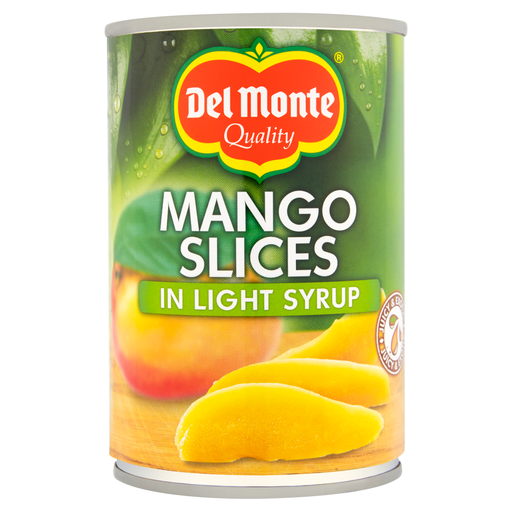 No image available
Consider the sliced format if your biscuit recipe uses mango pieces you can cut to size. This is a 425g light-syrup variant; check its drained weight and current ingredients when planning the batch.
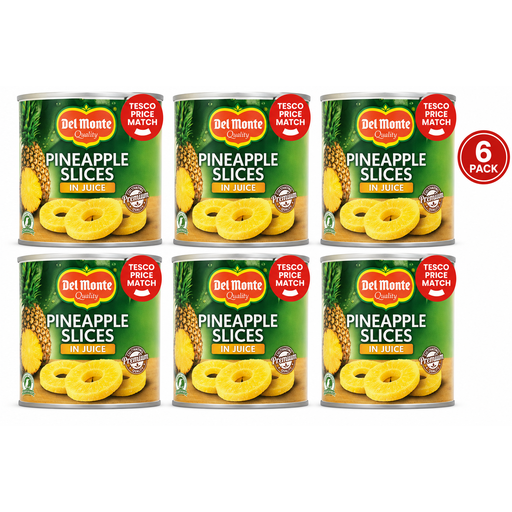 No image available
Six separately packed tins may suit baking on several occasions, while the slices can be cut for a particular recipe. Each tin is labelled 435g; Sainsbury’s lists the corresponding 435g sliced-pineapple variant at 260g drained, so confirm the figure on the pack when calculating usable fruit.
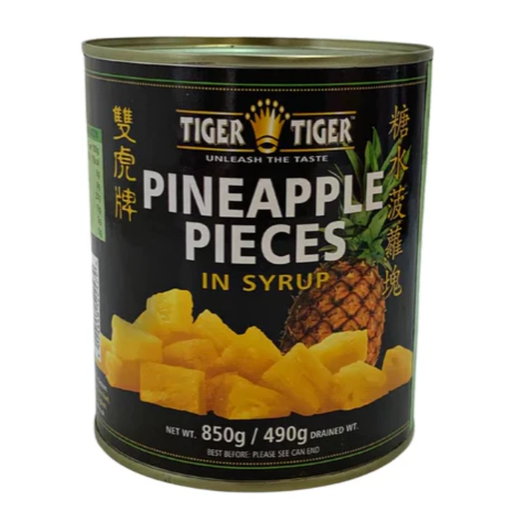 No image available
The pieces format is an option when your recipe calls for cut pineapple rather than slices. This is an 830g tin; check its drained weight to establish the fruit quantity, and read the current label if the light-syrup packing medium matters to your recipe.
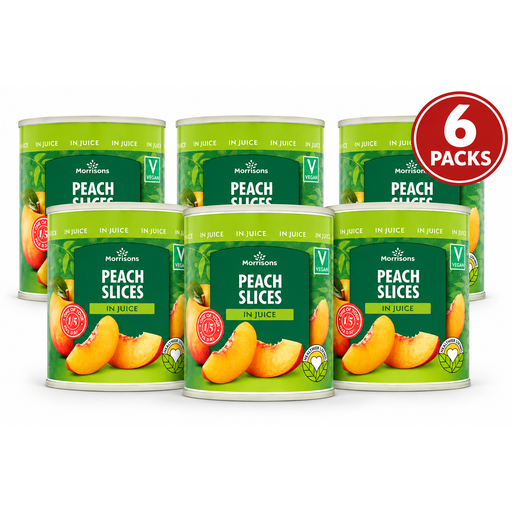 No image available
This six-pack may suit repeated batches of a recipe that accepts mixed fruit. Each tin is labelled 415g and packed in juice; check the drained weight and fruit mix if your recipe needs a precise quantity or a particular fruit.
 No image available
Choose this chunk format if it matches the pieces your biscuit recipe requires. The tin is labelled 432g and packed in juice; check its drained weight before calculating the fruit available, and follow its storage instructions after opening.
No. Tesco Groceries lists a 4 × 120g pineapple-pieces product as individual portions with 4 × 75g drained fruit. Check the format, unit size and drained weight before using the pack count to plan biscuit batches.
Use drained weight when calculating how much fruit remains after the packing liquid is excluded. Net weight describes the contents including that liquid, so a tin labelled 425g does not necessarily provide 425g of fruit.
Follow the instructions on the exact product. The Tesco Groceries pineapple portions specify refrigeration after opening and use within two days; the listed Princes pineapple slices instruct you to put leftovers in a sealed container in the fridge and use them within two days.
GOV.UK distinguishes best-before dates, which relate to quality, from use-by dates, which relate to safety. Read the date and storage instructions on the particular tin rather than treating the two labels as interchangeable.
Read the current pack’s ingredients and allergen declaration before using the fruit. Check the exact variant rather than relying on another cut or packing medium from the same brand.