Takeaway-night dessert hosts
If you want something you can open and serve with little preparation, consider whole lychees or neatly cut fruit for a sharing plate. The fruit and its presentation matter more to this choice than a luxury label.


For a ready-to-serve dessert after a Chinese takeaway, consider lychees if you want a distinctive fruit and are happy with syrup. Pineapple, peaches or mandarins in juice offer alternatives if you would rather avoid syrup. Whichever fruit you choose, compare drained weight with the number of diners and check the pack instructions for leftovers.
If you want something you can open and serve with little preparation, consider whole lychees or neatly cut fruit for a sharing plate. The fruit and its presentation matter more to this choice than a luxury label.
If syrup is not what you want after a takeaway, read the packing-liquid and ingredient labels. The NHS advises choosing canned fruit in natural juice or water with no added sugar or salt.
Compare the drained amount with what you expect to serve, rather than relying on the tin’s total weight. Check the individual pack’s storage instructions if some fruit will be left over.
Start with the fruit and packing liquid, then check how much fruit you can serve and what you will do with any leftovers.
| Concern | What to check | Who this matters to |
|---|---|---|
| Dessert presentation | Choose a fruit and cut style that suit serving straight from the tin or arranging on a plate. | If I am serving dessert after takeaway, I want the fruit to look like a deliberate course with little preparation. About 31% of consumers put dessert presentation first. |
| Packing liquid | Read the ingredients to distinguish juice or water from syrup; check for added sugar. | After a substantial meal, I may want fruit without added syrup rather than a sweeter dessert. For about 31% of consumers, the packing liquid is the primary concern. |
| Amount to share | Compare drained weight where stated, allowing for whether the fruit is the dessert or a topping. | When several people are eating, I need enough actual fruit for the way I plan to serve it. Getting a shareable amount comes first for about 23% of consumers. |
| Serving and leftovers | Check the fruit format and the specific pack’s instructions for storing opened contents. | If dessert needs to be quick, I want fruit that is straightforward to serve and leftovers I can manage. About 15% of consumers chiefly prioritise that convenience. |
The lychee product shown by Sainsbury’s lists sugar among its ingredients. The word “light” does not replace an ingredient check.
Read the label if avoiding added sugar matters to you. The NHS advises choosing canned fruit in natural juice or water with no added sugar or salt.
Liquid is included in the total weight. Sainsbury’s lists one lychee tin at 425g, with 200g drained fruit.
Compare drained weights where available, and decide whether the fruit will be a topping or the whole dessert.
Whole fruit needs attention when portioning, particularly if someone expects every piece to be free of fragments.
Check the pack warning and inspect the fruit as you serve it, especially when serving children.
A larger tin may leave fruit unused after the meal, and opened-storage directions can differ by product.
Read the pack instructions before opening and have a suitable covered container ready if needed.
Del Monte fruit listings at Sainsbury’s and Tesco include peaches in juice as well as fruit in light syrup.
Princes lists canned peaches, pineapple, fruit cocktail, pears, prunes and mandarins in its fruit range.
Tesco’s tinned and pot fruit category includes peaches, pineapple, mandarins and other dessert formats.
Sainsbury’s lists own-label fruit in juice alongside syrup-packed and branded products.
M&S presents tinned grapefruit segments and rhubarb chunks in its fruit selection.
These tins cover juice-packed pineapple and mixed fruit, plus syrup-packed mango, longan and lychees. Choose between them by fruit, packing liquid and the amount you need to serve.
 No image available
Consider sliced pineapple for a fruit plate or topping when you prefer juice to syrup. The tin is labelled 435g; use the drained weight on the pack to plan portions.
 No image available
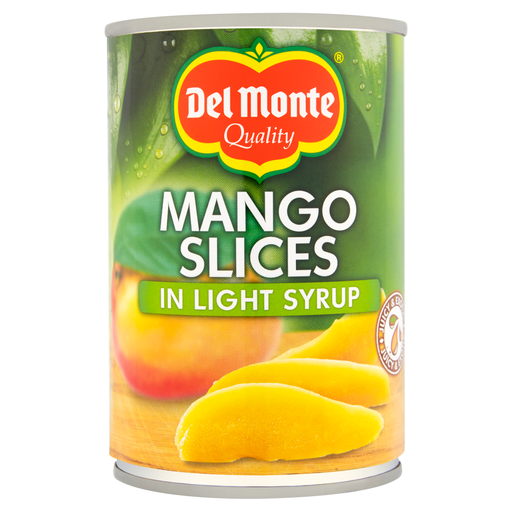
Choose sliced mango if a syrup-packed fruit is an intentional part of dessert. This is a 425g tin; check the ingredients if added sugar matters to you and the drained weight if you are sharing it.
 No image available
Mixed fruit offers a way to serve several fruit types without opening separate tins. This 415g product is labelled as packed in juice; check its drained weight and opened-storage instructions when planning the meal.
 No image available
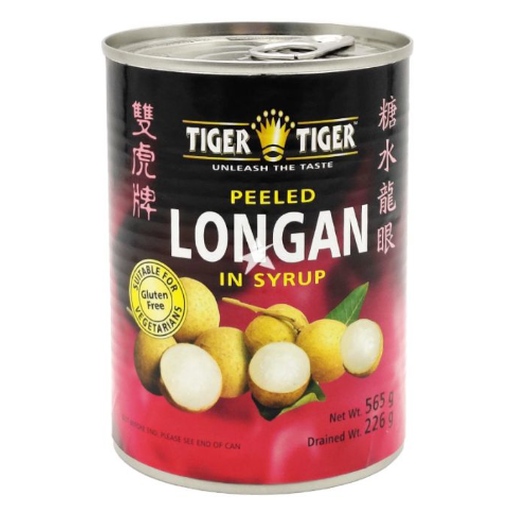
Peeled longan is an option when you want a different fruit for a syrup-packed dessert. The tin is labelled 565g; check the drained weight before using that figure to plan servings.
 No image available
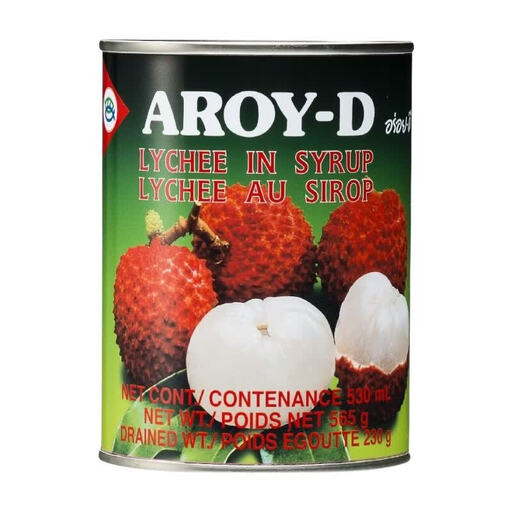
Consider lychees for a ready-to-serve fruit dessert if syrup suits your plans. The tin is labelled 565g; check drained weight for portions, and read the current pack for ingredients, allergen information and any stone warning before serving.
Choose lychees if you want fruit that can be served on its own and syrup suits the meal; choose pineapple, peaches or mandarins in juice if you prefer to avoid syrup. For either route, check the fruit format and drained amount against how you intend to serve it.
No. A lychee listing at Sainsbury’s includes sugar in its ingredients, while the NHS advises choosing canned fruit in natural juice or water with no added sugar or salt. Read the individual label rather than treating “light syrup” as a no-added-sugar description.
Look for drained weight, which tells you more about the amount of fruit than total tin weight. For example, Sainsbury’s lists a 425g lychee tin with 200g drained fruit; consider whether the fruit is the whole dessert or an accompaniment.
Follow the storage and use-by-after-opening directions on that product’s pack. If you expect leftovers, check those directions before choosing the tin and have an appropriate covered container ready.