Salt-label-first picnic planners
If reducing salt is your priority, you need to compare the figure per 100g on the exact tin, including whether it refers to drained fruit or the tin’s contents.


Choose tinned fruit for a lower-salt picnic lunch by checking salt per 100g on the exact tin, rather than assuming that fruit in juice has less salt. The NHS describes 0.3g salt or less per 100g as low; compare labels on the same basis, since figures may refer to drained fruit or the tin’s contents. Then check the packing liquid, drained weight and instructions for storing anything left after opening.
If reducing salt is your priority, you need to compare the figure per 100g on the exact tin, including whether it refers to drained fruit or the tin’s contents.
If only a little fruit will be served, drained weight and a plan for keeping opened leftovers cool matter more than can size alone.
If the packing liquid matters to you, read the ingredients and sugars panel separately from the salt figure. A label saying fruit is in juice does not answer either question for you.
For a picnic lunch, check salt on a comparable per-100g basis before deciding how much fruit to serve and whether you want juice or syrup.
| Concern | What to check | Who this matters to |
|---|---|---|
| Salt on the label | Compare salt per 100g on the same stated basis, such as drained fruit. The NHS describes 0.3g or less per 100g as low. | When I am choosing fruit with salt reduction in mind, I need the figure on the tin to guide the choice, not the words “in juice”. About 50% of consumers put confirming the salt figure first. |
| Servings and leftovers | Check drained weight and the tin’s instructions for storage after opening; arrange cool storage for leftovers. | For a small picnic group, I want enough fruit to serve without leaving an opened tin out for the afternoon. Roughly 30% of consumers make portion and leftover planning their primary concern. |
| Packing liquid | Read the ingredients for juice or syrup, then compare sugars per 100g on an equivalent basis. | If I have a preference between juice and syrup, I need to check the liquid and ingredients as well as salt. Around 20% of consumers put that choice first. |
“In juice” describes the packing liquid. It does not tell you the salt figure, and the sugars panel is a separate consideration.
Read salt per 100g on the exact tin and compare products on the same nutrition basis. The NHS describes 0.3g salt or less per 100g as low.
The can’s stated weight includes liquid. Tesco’s listing for Princes pineapple chunks, for example, gives 136g drained fruit in a 227g tin.
Use drained weight to plan the fruit you will serve, particularly when a small group may not finish a larger tin.
Food Standards Agency picnic guidance says bacterial risk increases after four hours or more at temperatures of 8°C and above. Its advice to keep foods that normally require refrigeration cool matters when handling leftovers.
Serve what you need, keep remaining food cool and follow the exact tin’s instructions for transferring and refrigerating opened contents.
Some tinned-fruit labels warn that a stone, pip or fragment may remain after preparation.
Check fruit before serving it, especially for young children or anyone who may not notice a firm fragment.
Salt figures and storage instructions belong to individual products, not an entire brand range. Use these examples to decide which labels to inspect.
Del Monte appears in UK tinned-fruit ranges with fruit cocktail and individual fruits in juice, alongside some syrup options.
Princes pineapple in juice appears in different tin sizes, including 227g and 432g listings.
Tesco lists own-label fruit pieces as well as branded tinned fruit, with juice and syrup formats to compare.
Sainsbury's lists own-label and branded tinned fruit, including fruit in juice and light syrup.
Asda listings for pear halves and peach slices in fruit juice give product-specific salt figures on a drained-fruit basis.
M&S lists specific tinned fruits including grapefruit segments.
These tins offer pineapple, peaches or mixed fruit in juice, plus mango in light syrup, for picnic-lunch planning. Check the exact pack’s salt basis, drained weight and opened-storage directions when making a like-for-like choice.
 No image available
Consider this pineapple tin if you prefer fruit packed in juice for the picnic. Check the current label for salt per 100g and its nutrition basis, and plan how to keep any opened remainder cool.
 No image available
Choose peach halves if that fruit and a juice packing liquid suit your picnic menu. Compare the exact tin’s salt declaration on a like-for-like basis and check its drained weight when planning servings.
 No image available
This mixed-fruit option suits a picnic where you want several fruit types in one tin. Sainsbury's lists 250g drained fruit for the 415g product; check the current tin’s salt figure and packing juice before comparing it with another fruit cocktail.
 No image available
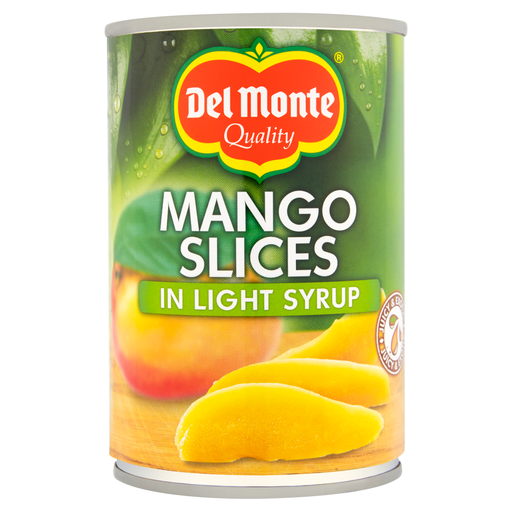
Consider this mango if light syrup fits your preference rather than fruit in juice. Check the ingredients and sugars panel separately from salt; “light syrup” does not establish that a product is sugar-free.
 No image available
Pineapple chunks are an option when you want fruit in juice without slicing it at the picnic. Joybuy lists pineapple, pineapple juice and citric acid as ingredients for this 432g product; check its own salt panel and drained weight rather than applying figures from a different-sized tin.
The NHS describes 0.3g salt or less per 100g as low. Compare the exact products’ per-100g figures on the same basis: one panel may describe drained fruit, while another describes the tin’s contents.
No. “In juice” names the packing liquid, not the salt level. Read the salt line separately; if sweetness matters to your choice, check ingredients and sugars as well.
Check the storage directions on the exact tin before packing it. The listed ambient tinned-fruit examples are stored unopened in a cool, dry place, but opened fruit needs different handling.
Follow that tin’s instructions for transferring and refrigerating the remainder, and keep food that needs refrigeration cool during the picnic. Use-within periods vary by product; Food Standards Agency guidance notes that bacterial risk increases after four hours or more at temperatures of 8°C and above.