Eating lunch alone and avoiding leftovers
A smaller tin may be easier to finish during a lunch break. Check the serving statement rather than treating its weight as a promise that nothing will remain.


For a fruit component you hope to finish at one working-from-home lunch, start by checking a 220g–227g tin and its stated serving information; a small tin is not necessarily a complete lunch. A larger tin makes more sense when you will share it or store the remainder, while the packing medium, ingredients and nutrition label help distinguish tins of the same fruit.
A smaller tin may be easier to finish during a lunch break. Check the serving statement rather than treating its weight as a promise that nothing will remain.
If the packing medium matters to you, read the ingredients and nutrition information for the exact tin. Fruit name and can size do not tell you everything in the pack.
A larger tin can fit a shared meal or more than one use, provided you have a container and can follow its after-opening storage instructions.
Decide whether you intend to finish the tin at lunch or keep some for later. Then compare the exact fruit, packing medium and label information.
| Concern | What to check | Who this matters to |
|---|---|---|
| Size and leftovers | Check net weight, stated servings and whether you can use any remainder within the labelled period after opening. | I want fruit with lunch without storing an opened tin; about 42% of consumers put a manageable portion and fewer leftovers first. |
| Packing medium and label | Compare juice or syrup, ingredients and nutrition per can where stated. Check the physical label if allergens are relevant. | If I am choosing between fruit in juice and light syrup, I need the exact ingredients and label values. About 33% of consumers make that comparison their primary concern. |
| Fruit format and use | Look at the fruit cut and drained weight where stated, particularly if you plan to add the fruit to another dish. | For fruit going into yoghurt or another part of lunch, the cut and amount of fruit matter most; roughly 25% of consumers prioritise that fit. |
Sainsbury's describes its 227g pineapple tin as one serving, but that statement describes the fruit portion, not everything you might want for lunch.
Use the exact tin's serving statement and per-can nutrition to decide how it fits into your meal.
A 410g–435g tin may leave fruit for another occasion. After-opening instructions differ between products, so one tin's storage period should not be applied to another.
Before opening it, have a suitable covered container ready and follow that tin's refrigeration and use-by instructions.
Fruit left unused beyond the labelled period may have to be discarded.
Juice-packed and light-syrup versions are distinct products; even juice-packed tins can have different ingredient lists.
Check the packing medium, ingredients and nutrition panel for the particular size and variety you intend to eat.
Reading Borough Council advises against buying damaged cans because damage or incorrect processing may lead to mould.
Inspect the can and seal, and do not use a damaged or mouldy tin.
Tesco own-label listings give shoppers small and larger tins to compare for lunch.
Its 227g pineapple pieces in juice provide a specific small-tin example.
Princes peach slices with juice offer a direct size comparison within one product line.
Del Monte listings include different fruits, sizes and packing media.
M&S has larger tinned-fruit formats relevant to a planned-leftover lunch.
These options include a multipack of smaller peach portions and larger single tins suited to sharing or keeping fruit for another meal. Check the pack format before choosing one for a solo lunch.
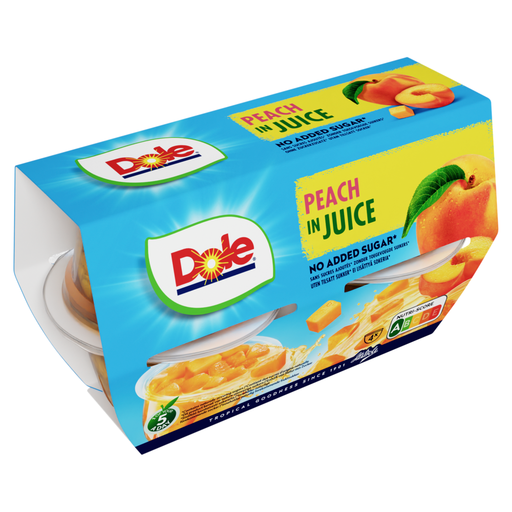 No image available
Consider this multipack if you want smaller peach portions across several lunches rather than one large tin. The product name specifies four 113g portions; check the pack label for the serving information you intend to use. Take care when eating, as the product information warns that occasional stone fragments may remain.
 No image available
The 432g tin is worth considering when you will share pineapple or keep some for another meal. It contains chunks with juice; plan to refrigerate any unused fruit according to the product label.
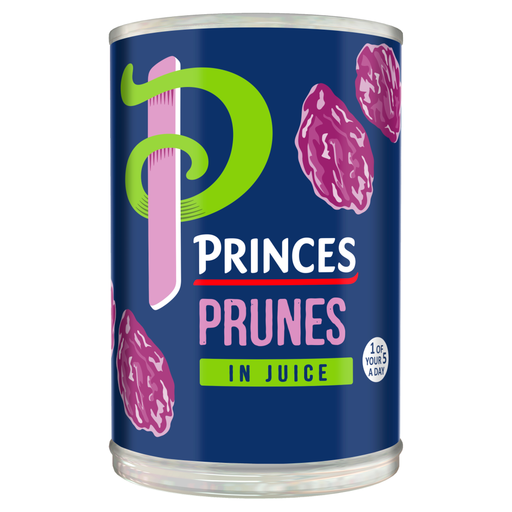 No image available
Choose this larger prune tin only if its 410g format fits your lunch plans or you can store the remainder as directed on the label. The product warning says it contains plum stones, so eat with care.
 No image available
The 435g pineapple tin fits a lunch plan that includes sharing or storing leftovers better than a small single-portion choice. It contains slices in juice; check its label for the amount of fruit and the instructions to follow after opening.
 No image available
This 415g fruit cocktail offers mixed fruit in juice if you intend to share the tin or use it across more than one meal. Check the exact label for portions and follow its directions for any fruit left after lunch.
Not necessarily. Sainsbury's calls its 227g pineapple tin one serving, but that describes a serving of the fruit. Check the nutrition panel for the exact tin and decide how it fits with the rest of your lunch.
Follow the instructions on that product's label. Sainsbury's directs shoppers to transfer leftovers from its 227g pineapple tin to a non-metallic container, refrigerate them and use them within three days; its Del Monte 435g pineapple listing gives a three-to-four-day period. Food Standards Scotland also advises checking the label for after-opening storage.
Check the ingredients list on the exact pack. GOV.UK states that if a prepacked food contains any of the 14 regulated allergens, they must be clearly labelled in that list.
Do not use a damaged or mouldy tin. Reading Borough Council advises avoiding damaged cans because damage or incorrect processing may lead to mould; inspect the can and seal before choosing it.