For a lecture lunch, tinned fruit in natural juice or water with no added sugar is a sensible starting point: the NHS recommends that packing liquid, but the exact product’s fat and sugars per 100g still matter. Choose a portion you can finish if you cannot refrigerate leftovers; a larger tin is more practical when you can store the rest as its label instructs.
Who these choices suit
Students wanting a ready-to-eat dessert
If you want fruit with little preparation, compare the packing liquid, fat and sugars on the exact product rather than treating a low-fat label as the whole decision. The NHS advises choosing canned fruit in natural juice or water with no added sugar or salt.
Students without a fridge at lunch
A portion you can finish avoids carrying an opened tin between lectures. Larger tins need a plan for leftovers: the storage instructions on named Sainsbury’s, M&S and Tesco-listed products require refrigeration after opening.
Students sharing a household
If several people will use the fruit, a larger tin may fit. Compare its drained weight with its total pack weight, and check that someone can refrigerate and use any remainder within the time stated on that product.
What to check before buying
Start with the packing liquid and nutrition panel, then choose a pack you can open, carry and finish or store after lunch.
| Concern | What to check | Who this matters to |
|---|
| Packing liquid and sugars |
Read the ingredients for juice, water or syrup, then compare sugars per 100g. Fruit in juice is not sugar-free. |
I want a low-fat dessert without choosing syrup just because the fruit looks convenient; about 50% of consumers put the packing liquid and sugar comparison first. |
| A portion to finish at lunch |
Check portion size and opening method, and whether you can bring what you need to eat it. |
When I have lectures after lunch and nowhere to chill an opened pack, finishing it in one sitting matters most. About 30% of consumers make that their primary concern. |
| Fruit quantity and leftovers |
Compare drained weight with pack weight, and read the product’s after-opening storage instructions. |
If I share a kitchen, I can use a larger tin across meals, provided the remainder is stored as directed; for about 20% of consumers, managing the fruit and leftovers comes first. |
Common buying mistakes
-
Choosing on fat content alone
Low fat does not tell you how much sugar the fruit and packing liquid contain. Sainsbury’s mandarin segments in fruit juice, for example, list fat below 0.5g and sugars of 10.2g per 100g.
Compare the ingredients, packing liquid, sugars per 100g and serving size. The NHS advises choosing canned fruit in natural juice or water with no added sugar or salt.
-
Opening a large tin without a plan for the rest
Named fruit products require refrigeration after opening, but their stated use periods differ. A large tin is less convenient when you are away from a fridge for the afternoon.
Choose a portion you can finish, arrange to share it, or check that you can transfer and refrigerate leftovers as the label directs.
Fruit left over after lunch may go to waste if you cannot store and use it within the product’s stated period.
-
Judging the fruit quantity by tin size
The total pack weight includes packing liquid, so it does not tell you how much fruit you will drain and eat.
Compare drained weights on the products you are considering, then decide whether you can use the contents after opening.
-
Assuming grapefruit suits everyone
Grapefruit and grapefruit juice can affect some medicines, according to Collingwood Health Group NHS.
If you take medication and want grapefruit regularly, ask a pharmacist whether it is suitable for you.
Brands to compare
Del Monte
UK retailer listings include Del Monte tinned peaches and other fruit formats, with packing liquids that vary by product.
- Juice-packed peach products offer a relevant option for this lunch.
- Check the exact tin for its packing liquid, nutrition panel and drained weight; the brand name does not establish those details.
Princes
Princes lists peach slices with juice in 220g and 410g sizes and also lists fruit cocktail with juice.
- Princes states fat below 0.1g per 100g for those named juice-packed peach and fruit-cocktail products.
- That figure does not describe every Princes product; check the variant and its sugars separately.
Tesco
Tesco’s tinned-fruit listings include juice-packed fruit, light-syrup fruit and smaller fruit packs.
- The different formats allow a comparison between a lunch-sized portion and a larger tin.
- Read the label on the particular pack for its liquid, drained weight and storage instructions.
Sainsbury’s
Sainsbury’s lists fruit-in-juice tins, including mandarin segments and peach slices.
- Its named 298g mandarin product lists fat below 0.5g and sugars of 10.2g per 100g.
- That mandarin tin lists two servings and instructs buyers to transfer, refrigerate and use the contents within two days after opening; check other products individually.
M&S
M&S lists grapefruit segments in grapefruit juice alongside other tinned-fruit options.
- Its named grapefruit product lists fat below 0.1g per 100g and says to refrigerate and eat it within two days after opening.
- Grapefruit can interact with some medicines, according to Collingwood Health Group NHS; ask a pharmacist if this affects your choice.
Joybuy fruit selections
These fruit-in-juice selections include individual peach pots and larger tins. For a lecture lunch, compare whether you can finish the pack or store what remains.
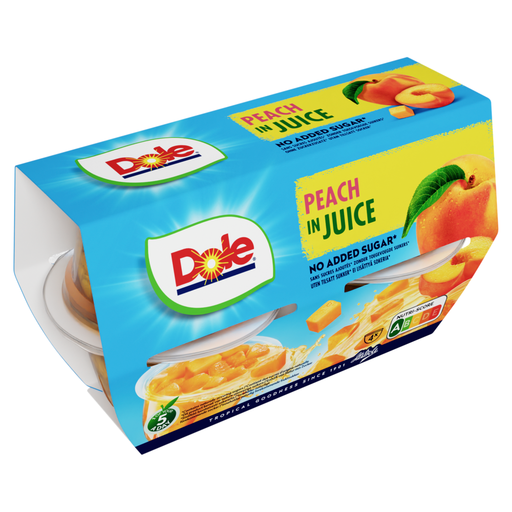 Image unavailable
Dole Peaches in Juice 4 × 113g
Four separate pots offer a portion format to consider when you want to finish your fruit at lunch. Check the ingredients if you prefer fruit without sweeteners, and follow the pack’s instructions for any opened pot.
View on Joybuy
 Image unavailable
Morrisons Peach Slices in Juice 220g
This smaller tin is worth considering if you want peach slices in juice without opening a larger pack. Check how the can opens before taking it to campus, and follow its label if you keep any leftovers.
View on Joybuy
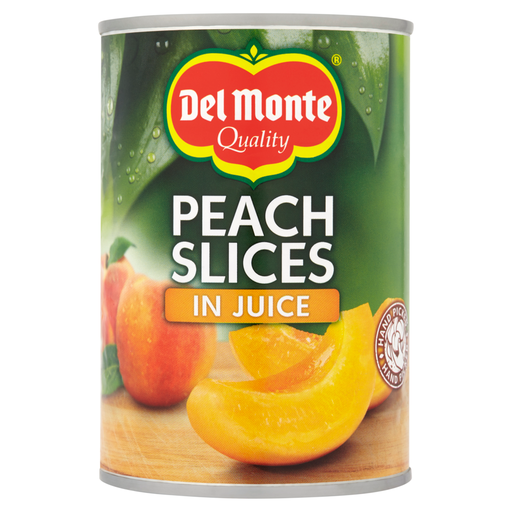 Image unavailable
Del Monte Peach Slices in Juice 415g
The 415g tin suits a lunch you can share or a plan to use the remainder later. Check the opening method before carrying the unopened tin, and make sure you can refrigerate leftovers as directed.
View on Joybuy
 Image unavailable
Princes Pineapple Chunks with Juice 432g
Consider this pineapple tin when you can share it or store the rest after lunch. Confirm how it opens if you plan to take it unopened, and check the label’s instructions for any remaining fruit.
View on Joybuy
 Image unavailable
Del Monte Fruit Cocktail in Juice 415g
This 415g fruit cocktail is an option when you want mixed fruit rather than a single variety. If you may have leftovers, read the can’s after-opening instructions; also check the opening method before taking it to lectures.
View on Joybuy
Questions about lecture-lunch fruit
Does tinned fruit count towards 5 A Day?
Yes. The NHS includes canned fruit in its 5 A Day guidance and advises choosing it in natural juice or water with no added sugar or salt. Check the pack’s portion information when planning lunch.
Is low fat enough to choose a tinned-fruit dessert?
No. Low-fat fruit can still contain sugars from the fruit and its packing liquid. Compare ingredients, sugars per 100g and the portion you expect to eat, as well as fat.
What should I do with tinned fruit left after lunch?
Follow the instructions on that product. Sainsbury’s mandarin segments say to transfer the contents to a non-metallic container, refrigerate and use within two days; a Tesco-listed peach product states a different after-opening period. If you cannot refrigerate the remainder, choose a portion you can finish.
Should I check anything before choosing grapefruit?
Yes, if you take medication. Collingwood Health Group NHS notes that grapefruit and grapefruit juice can affect some medicines, so ask a pharmacist or prescriber before making it a regular choice.


