Parents portioning several lunches
A larger tin is practical when you can divide the fruit at home and refrigerate what remains. Check the drained weight to work out how much fruit is available for portions.


Choose larger tins if you can portion the fruit at home, pack it in a sealed pot and refrigerate any leftovers according to the label. Choose individual portions when quick packing and avoiding an opened tin matter more. If you want fruit in juice or water, check the current ingredients and drained weight: the NHS advises choosing canned fruit in natural juice or water with no added sugar or salt.
A larger tin is practical when you can divide the fruit at home and refrigerate what remains. Check the drained weight to work out how much fruit is available for portions.
Small cans or multipacks reduce home portioning and the need to store fruit from an opened larger tin. Check whether the individual pack will be easy for your child to open and eat.
The NHS advises choosing canned fruit in natural juice or water with no added sugar or salt. Read the particular pack rather than assuming every version of the same fruit uses the same packing liquid.
Start with the packing liquid, then decide whether you can use and store portions from a larger tin or need individually packed fruit.
| Concern | What to check | Who this matters to |
|---|---|---|
| Fruit in juice or water | Read the packing liquid and ingredients. The NHS advises natural juice or water with no added sugar or salt. | If fruit in juice or water is my priority for everyday lunches, I need to distinguish it from syrup or jelly on the actual pack. About 42% of consumers put that choice first. |
| Usable portions from a larger tin | Check drained weight and the instructions for storing fruit after opening. | When I prepare several lunches, I want to use the fruit from an opened tin within its stated refrigerated period rather than leave it unused. For about 33% of consumers, planning those portions is the main concern. |
| Quick, contained portions | Check the number and size of individual packs and whether your child will need a spoon or separate container. | On mornings when I cannot portion a tin, an individual pack makes lunch easier to assemble without leftovers at home. That convenience comes first for about 25% of consumers. |
Retailer ranges include fruit in juice, syrup and jelly. The NHS advises choosing canned fruit in natural juice or water with no added sugar or salt.
Check the packing liquid, ingredients and nutrition information on the product you are buying.
Net weight includes the packing liquid. Tesco lists 247g drained weight for a 410g Princes fruit cocktail tin and 250g for a 415g Del Monte fruit cocktail tin.
Use drained weight when deciding how many fruit portions a tin can provide.
Storage instructions differ by product. The reviewed Princes fruit cocktail calls for refrigerated leftovers to be used within 2 days; the Del Monte fruit cocktail gives 3–4 days.
Portion only what is needed for lunch, transfer the remainder as directed and follow the instructions on the tin you bought.
A larger tin also means having a suitable sealed pot for the lunch portion and space to refrigerate leftovers.
Ingredients and allergen information can change between purchases, so an earlier online listing may not describe the current tin.
Read the physical label each time, particularly if a child has an allergy, intolerance or other dietary requirement.
A named-brand option for comparing larger tins of different fruits and packing liquids.
Fruit cocktail in two can sizes for comparing home portioning with a smaller format.
Its tinned-and-pot-fruit catalogue is useful for comparing larger tins with individual portions.
Own-label peach slices offer a larger and a smaller can format.
An option to consider if grapefruit segments suit the lunches you are packing.
These options cover larger tins for portioning at home and one individually portioned fruit multipack for quicker lunch packing. Check the current label and your school’s packed-lunch policy before choosing a format.
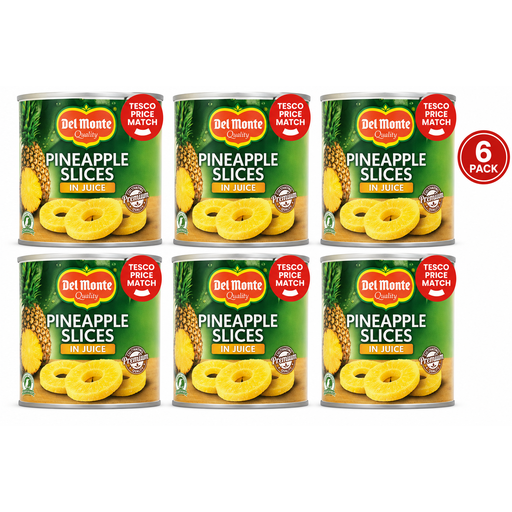 No image available
A larger-tin option if you portion fruit at home for packed lunches. The bundle contains six 435g tins; check the label’s drained weight and follow its directions for storing an opened tin.
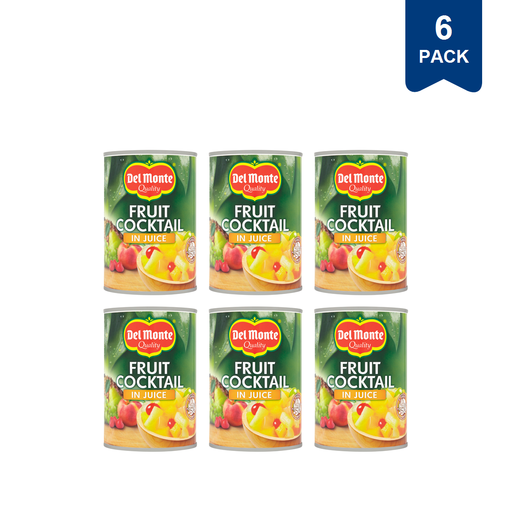 No image available
For lunches where you can divide fruit from a larger tin into separate portions. The bundle contains six 415g tins; check the current ingredients and drained weight before deciding how each tin fits your lunch plan.
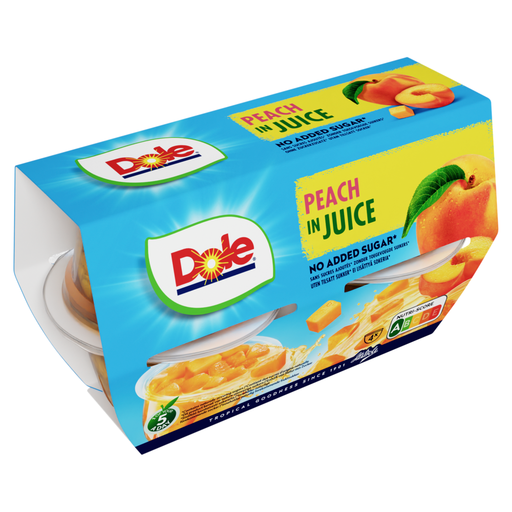 No image available
An individually portioned alternative when you do not want to open and divide a larger tin. The pack contains four 113g portions; check the current ingredients if added sweeteners matter to your choice.
 No image available
A larger tin to consider when you can portion peach halves before packing lunch. Check its drained weight to plan portions, and follow the current label’s instructions for any leftovers.
 No image available
For home portioning when pear halves suit the lunches you are preparing. This is a 415g tin; use its drained weight and storage instructions to plan how you will use it after opening.
Yes. The NHS says 80g of canned fruit counts as one 5 A Day portion and advises choosing fruit in natural juice or water with no added sugar or salt. Check the fruit amount when portioning a tin for lunch.
Yes, if you can portion it and store the remainder as directed. The reviewed Princes 410g fruit cocktail is labelled as two servings and instructs you to refrigerate leftovers in a sealed container and use them within 2 days. The reviewed Del Monte 415g fruit cocktail calls for a non-metallic container, refrigeration and use within 3–4 days. Follow the label on the tin you buy.
The Department for Education guidance concerns food provided by schools and caterers in England. For food brought from home, check your own school’s packed-lunch policy, including any rules about containers or storage.
Yes. Product information can change, including ingredients and allergen details. Read the current physical label rather than relying on a previous purchase or an online listing, particularly when a child has a dietary requirement.