Picnic hosts serving fruit to a group
Compare the stated servings and drained weight with the number of people sharing. A larger tin is simpler to manage if you expect to finish it at the picnic.


Choose a single-fruit tin when you want a predictable fruit for a picnic side, or fruit cocktail when a mix suits the meal. Juice and light syrup are different recipes, so check the exact ingredients and drained weight; choose a tin you can finish or follow its instructions for refrigerating leftovers.
Compare the stated servings and drained weight with the number of people sharing. A larger tin is simpler to manage if you expect to finish it at the picnic.
Read the ingredients and nutrition panel on the exact tin if the distinction between juice and syrup matters to you. The named fruit juice can differ between products.
Consider how much fruit you will serve and what you would do with any remainder. The cited product instructions call for refrigerating unused contents after opening.
Start with the fruit you want to serve, then compare the packing liquid, usable quantity and instructions for anything left in the tin.
| Concern | What to check | Who this matters to |
|---|---|---|
| Packing liquid and ingredients | Read the exact tin’s ingredients and compare nutrition on the same per-100g or per-serving basis. | If juice rather than syrup is central to my choice, I want to know which juice or other ingredients the tin contains. About 31% of consumers put packing liquid and ingredients first. |
| Fruit form and quantity | Check whether the fruit is sliced, in chunks or mixed; compare stated servings and drained weight where given. | When several people will share a fruit side, I need the form to suit the meal and enough fruit to go round. For about 23% of consumers, form and shareable quantity are the primary concern. |
| Opened-tin leftovers | Check the post-opening storage directions and whether the group is likely to finish the tin. | If we might leave fruit behind, I need a way to transfer and refrigerate it as the label directs. Leftover handling comes first for about 23% of consumers. |
| Store and range choice | Compare the fruit type, packing liquid and usable quantity of the exact tins available to you. | When choosing between store and branded ranges, I want the recipe and amount to match what I plan to serve. About 23% of consumers make that range choice their main priority. |
Sainsbury’s listings for Del Monte peaches describe pineapple juice from concentrate in the juice version, while the light-syrup version lists water, glucose-fructose syrup and sugar.
Choose the packing liquid deliberately and compare the ingredients on the exact can.
Packing liquid contributes to the total. Tesco lists its 410g peach-slices tin with a 250g drained weight.
Use drained weight where stated, alongside serving information, to plan how much fruit to bring.
The cited Tesco, Princes and Del Monte products direct shoppers to transfer and refrigerate unused contents, with a use-within period that varies by product.
Choose a tin the group is likely to finish, or bring a suitable container and arrange refrigeration for leftovers.
Fruit that cannot be stored and used as directed may go to waste.
Recipes and label information can change, so a listing may not match the tin you take to the picnic.
Check the physical label for ingredients and allergen information before serving anyone with an allergy, intolerance or ingredient restriction.
An own-label option to compare when peach slices in juice fit the picnic menu.
An own-label peach option for shoppers comparing the fruit and its named packing juice.
The cited peach products offer a choice between juice and light syrup.
A range to look at when choosing between a single fruit and a mixed-fruit serving.
M&S Food lists tinned grapefruit segments and rhubarb chunks as storecupboard choices.
These tins cover peach and pineapple options in juice, plus peach slices in light syrup. Choose the fruit form and packing liquid for your picnic, then check the label for portions and leftover storage.
 No image available
Consider this smaller tin if the picnic group wants peach slices in juice and you are planning a modest serving. Check the can for the amount of drained fruit; the product information also cautions that peach-stone fragments may occasionally remain. Transfer leftovers to a non-metallic container, refrigerate and use within two days.
 No image available
Choose the sliced-pineapple format if you want a single fruit to serve. Compare the drained weight and serving guidance on the can with your group size. The product information directs you to transfer unused fruit to a suitable non-metallic container, seal, refrigerate and use within three to four days.
 No image available
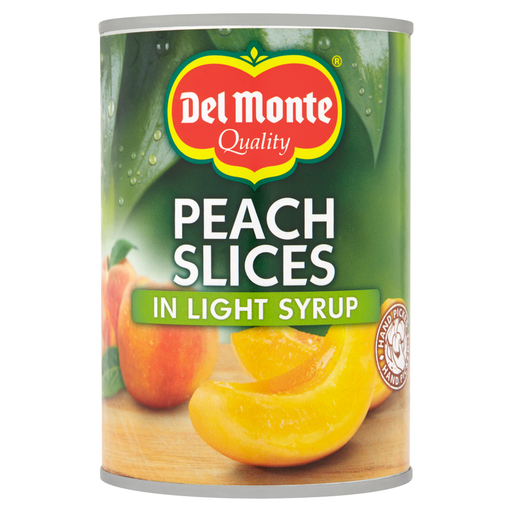
Consider these peach slices when light syrup suits the dessert you plan to serve. The Sainsbury’s listing for this exact variant gives a 250g drained weight and lists glucose-fructose syrup and sugar among its ingredients. Check the current can for serving and storage directions, particularly if any fruit will be left over.
 No image available
Peach halves offer a different serving form from slices if you are assembling a picnic dessert. Check the can’s drained weight and serving guidance when planning portions. The product information directs you to transfer unused contents to a covered non-metallic container, refrigerate and use within three to four days.
 No image available
Consider pineapple chunks if that form suits the fruit side or topping you plan to share. Check the drained weight on the can if you are comparing usable fruit with another tin. The product information directs you to transfer leftovers to a sealed container, refrigerate and use within two days.
No. “In juice” describes the packing liquid, not an automatic no-added-sugar claim. Check the ingredients and nutrition panel on the exact tin rather than inferring its recipe from that wording.
Follow that can’s instructions for transferring and refrigerating unused contents. The cited Tesco and Princes products specify use within two days, while the cited Del Monte product information gives three to four days; plan how you will refrigerate leftovers before opening a larger tin.
Yes, check the current label and ingredients for the exact product before serving someone with an allergy or intolerance. GOV.UK states that food businesses must provide information about 14 regulated allergens when they are ingredients in food or drink.
Check the storage directions on the tin you choose; the cited products give cool, dry storage directions before opening. If you open it at the picnic, follow its separate instructions for any unused fruit.