Families sharing a meal
A standard tin can suit a breakfast, pudding or recipe served to several people at once. Compare drained weight where it is shown, and plan how to store any fruit left after opening.


Choose a larger tin when several people will share it promptly; choose smaller tins or portioned pots when servings are needed at different times. Compare the number of containers and, where shown, drained weight—not just the headline pack weight. For an online order, check the exact packing liquid, pack size and substitution preference before checkout.
A standard tin can suit a breakfast, pudding or recipe served to several people at once. Compare drained weight where it is shown, and plan how to store any fruit left after opening.
Small pots or separate tins can suit lunchboxes and family members eating at different times. Tesco lists fruit pots in a 4 × 120g format, illustrating why both portion size and container count matter.
If the packing liquid matters for regular use, read the exact product label rather than relying on the brand or fruit name. The NHS advises choosing canned fruit in natural juice or water with no added sugar or salt.
Start with when each portion will be eaten. That determines whether a shared tin, several smaller tins or individual pots are practical for the household.
| Concern | What to check | Who this matters to |
|---|---|---|
| Pack format | Check the number of tins or pots, the size of each and any stated drained weight. | When everyone eats together, I may want one tin to share; when meals are staggered, separate portions may be easier. About 33% of consumers put this serving-format decision first. |
| Packing liquid | Read the ingredients and distinguish natural juice or water from syrup and other formats. The NHS advises choosing canned fruit in natural juice or water with no added sugar or salt. | If I buy tinned fruit for regular use, I want to know what liquid it comes in before choosing a pack size. For about 25% of consumers, that is the primary concern. |
| Leftovers | Check the pack’s once-opened instructions and have a covered storage container ready for any remainder. | A large tin is awkward for me if fruit will be left after the meal and I have no plan to use it. Avoiding and managing leftovers comes first for about 25% of consumers. |
| Order accuracy | Confirm the exact pack size and packing liquid in the basket, along with local availability and substitution settings. | If a particular format is needed for the family’s plans, I want the delivered item to match what I selected. About 17% of consumers make getting the intended item their first priority. |
A tin’s total weight includes its packing liquid. Sainsbury’s lists a 415g Del Monte peach tin with a 250g drained weight, showing why the two figures should not be confused.
Compare drained weights for the exact products when they are shown. If they are not, do not assume that similar-sized tins contain the same amount of fruit.
Juice and light-syrup variants can appear within the same range. The NHS advises choosing canned fruit in natural juice or water with no added sugar or salt.
Check the specific listing and ingredients before adding a tin to a regular grocery order.
Renfrewshire Council advises against putting an open can in the fridge: transfer its contents to a storage container or covered bowl instead.
If the family will not finish a tin together, consider smaller portions or prepare a covered container and follow the product’s once-opened instructions.
A shared tin can also mean an extra container to manage and fruit left unused if the next serving is not planned.
A retailer’s category can contain different pack sizes and packing liquids, while the available selection may depend on the delivery area. M&S directs shoppers to select a local Foodhall to see stock.
Before placing the order, check the selected item in the basket and set substitutions to reflect whether another size or packing liquid would work.
Del Monte fruit listings include juice-packed and syrup-packed tins; Sainsbury’s lists 415g peach slices in juice with a 250g drained weight.
Princes lists peach slices with juice in 410g and 220g sizes, alongside a separate light-syrup peach variant.
Tesco’s grocery listings include standard tins and portioned fruit pots, including pear-and-peach pieces in a 4 × 120g pack.
Sainsbury’s lists juice-packed own-label fruit in several sizes, including 411g and 213g peach slices and 425g pineapple chunks.
Asda has an online tinned-fruit category for grocery delivery or collection, with a separate listing for own-label peach slices in fruit juice.
M&S lists 560g rhubarb chunks and 540g grapefruit segments in its tinned-fruit category.
These selections cover individual fruit pots, a multipack of smaller tins, a multipack of larger tins and single shared tins. Choose by how many containers the household will open and when the fruit will be served.
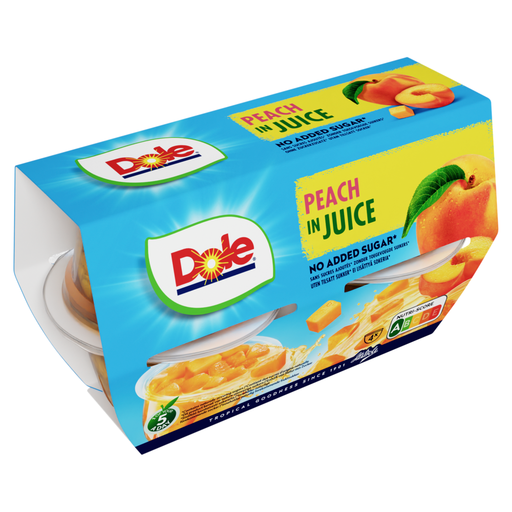 Image unavailable
Four separate pots suit servings needed at different times without opening a shared tin. If sweeteners matter to your household, check the ingredients on the exact pack.
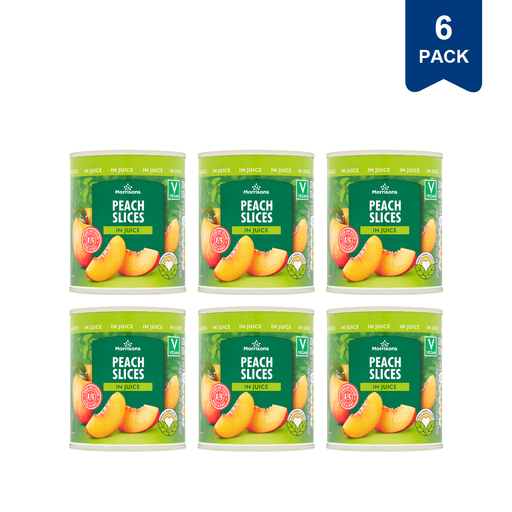 Image unavailable
Six smaller tins suit a household that wants to open fruit on separate occasions rather than start with one large tin. Check the drained weight on the pack if the amount of fruit per tin matters to your plan.
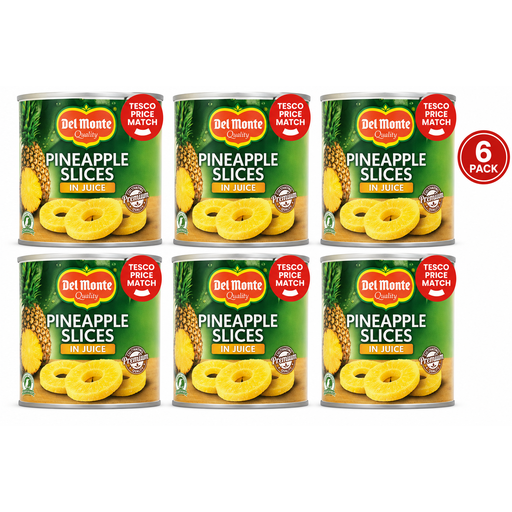 Image unavailable
This six-pack suits a household planning several occasions when a larger tin can be shared. Consider whether all six tins fit that plan, and arrange covered storage whenever an opened tin is not finished.
 Image unavailable
A single 435g tin suits a planned shared serving or recipe without committing to a multi-tin pack. Use the pack’s drained weight, if shown, when estimating how much pineapple the meal will need.
 Image unavailable
This single tin offers pineapple chunks for a shared serving or recipe. If the edible amount matters when comparing it with sliced pineapple, check the drained weight on the exact listing or pack.
Choose a large tin if several people will share it promptly; smaller tins or individual pots make more sense when servings are needed at different times. For a multipack, check both the number of containers and the size of each one. Where available, compare drained weight to understand how much fruit the packs contain.
Yes. The NHS says 80g of canned fruit or vegetables counts as one 5 A Day portion. For canned fruit, it advises choosing products in natural juice or water with no added sugar or salt; check the exact product label rather than assuming all fruit tins use the same liquid.
Transfer it to a storage container or covered bowl rather than putting the open can in the fridge, as Renfrewshire Council advises. Refrigerate the transferred fruit and follow the pack’s once-opened instructions; the Food Standards Agency says the manufacturer’s open-life directions should be followed.
No. Use the live product listing and basket to confirm the selected size, packing liquid, availability for your delivery area and substitution preference. A category page can show the types of fruit a retailer lists without settling which specific pack is in your order.