Protein-breakfast meal preppers
If you add fruit to a breakfast built around a separately chosen protein food, individual pots can make portions straightforward. A larger tin calls for a plan for the fruit left after opening.


Choose the pack format around how you will use the fruit: individual pots simplify portioning, while larger tins and multipacks suit planned, repeated use. Treat tinned fruit as an accompaniment to a high-protein meal, not its main protein food; check the exact label, drained weight and storage instructions before buying in bulk.
If you add fruit to a breakfast built around a separately chosen protein food, individual pots can make portions straightforward. A larger tin calls for a plan for the fruit left after opening.
If you use tinned fruit regularly, compare the number of tins, their drained weights where stated, and how quickly your household will use an opened tin.
If the packing liquid or sugars matter to your choice, check the ingredients and nutrition panel of the exact juice or syrup variant rather than relying on the fruit name.
Decide what will provide the protein in the meal, then choose a fruit format that fits your portions and storage plans.
| Concern | What to check | Who this matters to |
|---|---|---|
| Protein’s role | Check protein per serving on the fruit label and choose the meal’s protein food separately. | If I am planning a high-protein meal, I need to know which food supplies its protein rather than counting on the fruit. About 36% of consumers put that distinction first. |
| Portions and leftovers | Compare pot or tin size, pack count and instructions for opened fruit. | For breakfasts prepared ahead, I want portions I can use without leaving an opened tin longer than its label allows. That is the primary concern for about 29% of consumers. |
| Juice or syrup | Read the exact variant’s ingredients and sugars per 100g or serving; check whether values refer to drained fruit. | When choosing between juice and light syrup, I want the version whose label fits what I intend to eat. Roughly 21% of consumers prioritise that comparison. |
| Usable quantity | Compare pack count and drained weight where given, alongside how much fruit you will use. | If I keep fruit in the cupboard for repeat meals, I want a pack size I can use rather than tins left open or unused. For about 14% of consumers, that is the main consideration. |
The checked Tesco pear-and-peach pot lists 0.2g protein per 120g pot; Princes lists 0.5g per 100g for its peaches in juice. Neither figure describes a complete meal.
Choose the protein food separately, then check the labels for the portions you plan to combine.
Net weight can include packing liquid. Tesco’s four 120g pear-and-peach pots each have a stated drained weight of 75g.
Compare drained weights on the same basis when they are available, as well as the number of portions you expect to use.
Products with the same fruit can have different packing liquids and ingredient lists. The fruit name alone cannot establish their sugars per serving.
Read the ingredients and nutrition panel for the specific variant you intend to buy.
Tesco’s pear-and-peach pots and M&S grapefruit both specify refrigeration and use within two days after opening. M&S also instructs buyers to transfer leftovers to a non-metallic container.
Choose individual portions for occasional use, or plan how you will store and use fruit from a larger tin in line with its label.
Fruit left beyond the stated storage period may go unused.
Tesco lists portioned fruit-in-juice products, including Pear and Peach Pieces in four 120g pots.
Princes lists Peach Slices with Juice in 410g and 220g sizes.
Sainsbury’s lists Del Monte fruit-in-juice tins, while Joybuy displays a Del Monte Peach Slices in Juice 415g six-pack series.
Sainsbury’s lists own-brand fruit-in-juice tins, including 411g peaches and apricots.
M&S lists Grapefruit Segments in a 540g tin packed in grapefruit juice.
These Joybuy selections cover six-can fruit packs for repeat meals, including fruit in juice and mango in light syrup, plus a six-can mango pulp option for recipes. Choose a separate protein food for a high-protein meal and check each variant’s label and pack details before ordering.
 No image available
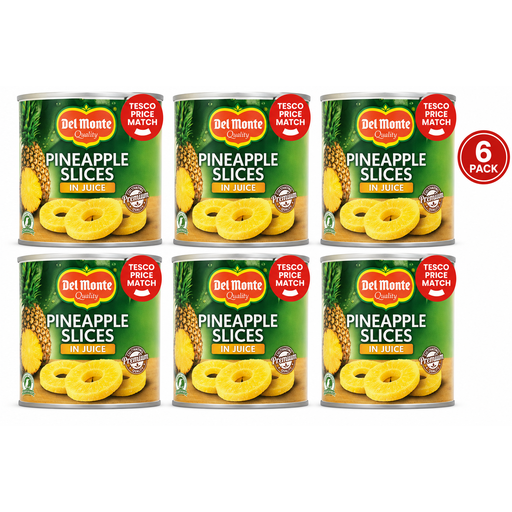
Consider this pack if you regularly add pineapple to prepared meals. It contains six 435g tins of slices in juice; check the drained weight and the instructions for storing an opened tin when planning portions.
 No image available
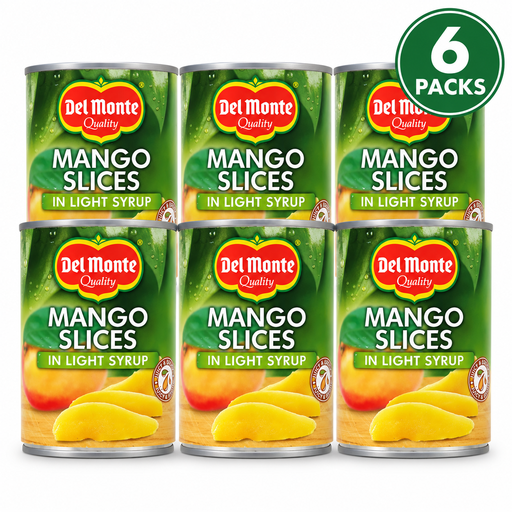
Consider these mango slices if you will use several tins and specifically want the light-syrup variant. The pack contains six 425g tins; compare its ingredients and nutrition panel with a juice-packed product if the packing liquid affects your choice.
 No image available
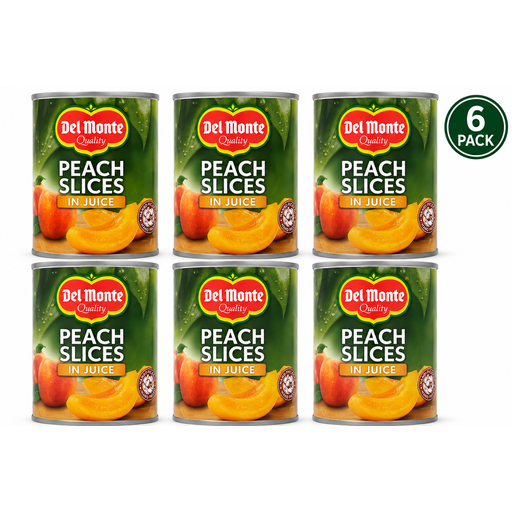
This format suits repeated use of peach slices alongside a separately chosen protein food. It contains six 415g tins in juice; check the selected pack’s drained weight if you need to compare usable fruit with another format.
 No image available
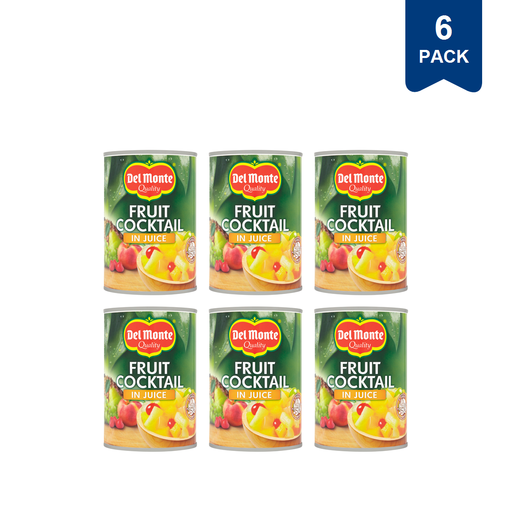
Choose mixed fruit rather than a single-fruit tin if that better fits the meals you prepare. This is a pack of six 415g tins in juice; check the ingredients, drained weight and opened-tin instructions for the selected variant.
 No image available
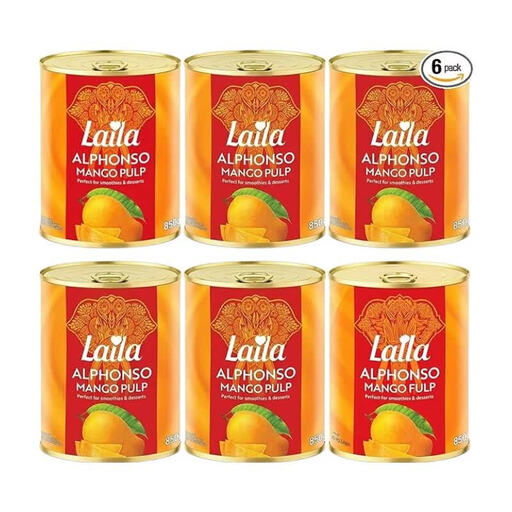
Consider mango pulp for recipes or yoghurt drinks rather than when you need fruit slices. The case contains six 850g cans; check its ingredients and plan how you will store pulp after opening.
Yes. The NHS Eatwell Guide includes tinned fruit among the forms of fruit and vegetables you can choose. For a high-protein meal, select its protein food separately.
The checked products are not suitable to rely on for that role: Tesco lists 0.2g protein per 120g pear-and-peach pot, Princes lists 0.5g per 100g for its peaches in juice, and M&S lists 0.6g per 100g for its grapefruit. Check the fruit’s label and choose the meal’s protein component separately.
Choose using the exact product’s ingredients and nutrition panel. Juice and light syrup identify different variants; compare their stated sugars on the same basis and consider the portion you intend to eat.
Follow the particular pack’s instructions. Tesco’s pear-and-peach pots specify refrigeration and use within two days after opening; M&S gives the same period for its grapefruit and also specifies transferring leftovers to a non-metallic container.
Use the online panel to compare products, then check the physical label of the one you receive before eating it. Tesco notes that formulations and nutrition information can change, so details relevant to an allergy or a strict food plan need checking on that pack.