Pantry cooks watching portions
If you make crumbles, trifles or breakfasts with tinned fruit, compare how much drained fruit a tin provides with the amount you will use. Tesco Groceries lists both small and full-size formats for some fruits.


For winter puddings, choose the fruit and packing liquid your recipe calls for, then compare the drained fruit quantity and pick a tin you can use within its opened-storage instructions. If you prefer fruit without added sugar, follow NHS advice to look for fruit in natural juice or water with no added sugar or salt; light syrup is a different choice for a sweeter dessert.
If you make crumbles, trifles or breakfasts with tinned fruit, compare how much drained fruit a tin provides with the amount you will use. Tesco Groceries lists both small and full-size formats for some fruits.
If packing liquid is a deciding factor, check the ingredients on the exact tin. NHS guidance advises choosing canned fruit in natural juice or water with no added sugar or salt.
If you open a tin only now and then, choose a size that fits the recipe and read its opened-storage directions. Instructions differ between products.
Start with the fruit your recipe needs, then check the packing liquid, drained quantity and what you will do with any leftovers.
| Concern | What to check | Who this matters to |
|---|---|---|
| Usable fruit quantity | Compare drained weights on the same basis, alongside tin size. | If I make winter puddings regularly, I want enough fruit for each recipe without mistaking liquid for fruit. About 36% of consumers put usable fruit quantity first. |
| Packing liquid and label | Read the ingredients and nutrition information for the exact variant; distinguish juice from light syrup or syrup. | When I prefer fruit without added sugar, the liquid it comes in is my deciding factor. For about 29% of consumers, that label preference comes first. |
| Fruit and cut | Match halves, slices, pieces or mixed fruit to the dish. | If my trifle needs mixed fruit or my pudding calls for peach halves, the right format matters more than tin size. Roughly 21% of consumers prioritise recipe fit. |
| Leftovers and availability | Check the selected product's opened-storage directions and confirm stock when a recipe needs a particular tin. | I may open a tin for one dessert and need to manage what remains, or find the specified fruit before I cook. Around 14% of consumers place that practical convenience first. |
A tin's stated size includes its packing liquid, so two similar-sized tins need not provide the same amount of fruit for a pudding.
Compare drained weights where shown, then choose an amount you can use.
Fruit may be packed in juice, light syrup or syrup. NHS advice to choose canned fruit in natural juice or water with no added sugar or salt applies when that is your preference.
Read the product name and ingredients rather than relying on the fruit type alone.
Opened-storage directions vary by product. For example, a Sainsbury's pineapple listing specifies transfer to a non-metallic container, refrigeration and use within three days.
Follow the directions on the tin you choose, particularly if you expect leftovers.
A listed fruit may not be available when you shop; the checked Sainsbury's pineapple pieces listing was marked unavailable.
Confirm stock before relying on a particular fruit or cut for a recipe.
A range to consider when choosing peaches or fruit cocktail for breakfasts and desserts.
Prepared-fruit options include different fruits, cuts and packing liquids.
An own-label range for comparing fruit types, tin sizes and portioned formats.
An own-label option when a specific fruit-in-juice tin suits your recipe.
A range to check for particular store-cupboard dessert fruits.
These tins offer pineapple, peach or mango in juice or light syrup for winter puddings, breakfasts and other recipes. Choose by fruit, cut and packing liquid, then check the quantity you need.
 No image available
Consider these pineapple slices when your dessert calls for pineapple in juice. The tin is labelled 435g; check its drained quantity against your recipe and follow its directions for any leftovers.
 No image available
Peach halves are worth considering when a pudding calls for larger pieces rather than slices. This 415g tin is labelled as fruit in juice; check the drained quantity and opened-storage directions on the pack.
 No image available
Consider this 220g peach-slice tin if a smaller format fits your breakfast or dessert. It is labelled as fruit in juice; check the pack's drained quantity if your recipe requires a precise amount.
 No image available
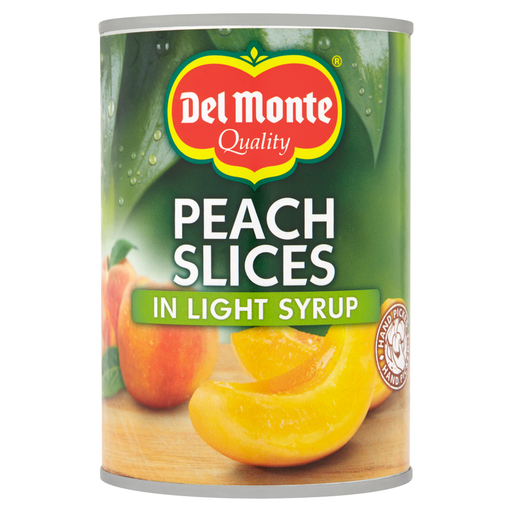
These peach slices suit a recipe that calls for fruit in light syrup rather than juice. The tin is labelled 420g; read its ingredients if packing liquid is a priority, and check the drained quantity needed for your dish.
 No image available
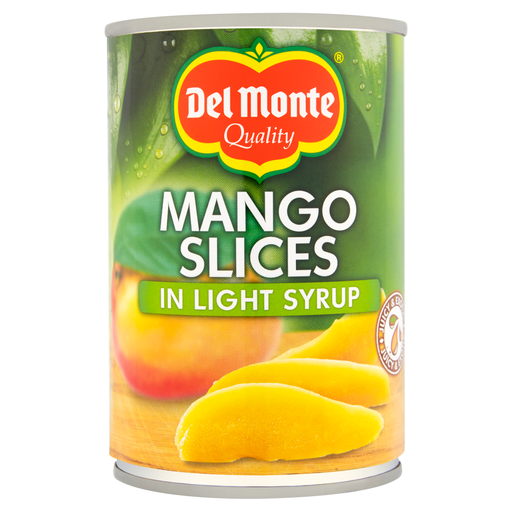
Choose mango slices if that fruit and cut fit your dessert or breakfast. This 425g tin is labelled as fruit in light syrup, so check the ingredients and drained quantity when comparing it with fruit in juice.
Choose fruit in natural juice or water with no added sugar or salt if you want to follow NHS guidance on canned fruit. Fruit in syrup is a separate recipe choice when you want that packing liquid; check the exact ingredients rather than treating the two tins as interchangeable.
The NHS states that 80g of canned fruit counts as one portion of 5 A Day. Check how much fruit you actually serve from the tin rather than using the whole tin's stated size as a portion.
Follow the directions for the exact product. A Sainsbury's pineapple pieces listing says to transfer leftovers to a non-metallic container, refrigerate them and use them within three days; a Joybuy Princes peach listing instead says to use refrigerated leftovers within two days.
Check the label on the actual tin before use. GOV.UK states that prepacked food containing any of the 14 specified allergens must clearly label them; a retailer listing or a tin bought previously is not a substitute for checking the product you have.