Families sharing an opened tin
A tin can serve several people at one lunch. Check its drained quantity and plan to refrigerate any fruit left over according to the pack instructions.


For lunches shared at home, choose a tin if its drained fruit quantity suits the people eating and you can use any leftovers within the pack’s stated period. Sealed pots suit lunches packed separately or taken out for the day. For routine lunches, the NHS advises choosing canned fruit in natural juice or water with no added sugar or salt; check the exact pack rather than assuming every juice-packed product has the same ingredients.
A tin can serve several people at one lunch. Check its drained quantity and plan to refrigerate any fruit left over according to the pack instructions.
Sealed individual pots make it easier to put fruit in separate lunches without opening a larger tin first. Compare the drained fruit per pot if portion size matters.
The NHS advises choosing canned fruit in natural juice or water with no added sugar or salt. Check the ingredients and nutrition panel on the particular tin or pot, as brands sell different packing-liquid variants.
Match the fruit you can serve to the number of lunches planned, then decide whether one opened tin or separate sealed portions fit those plans.
| Concern | What to check | Who this matters to |
|---|---|---|
| Usable fruit and leftovers | Compare drained weight, stated servings and the pack’s instructions for storing fruit after opening. | When several children eat at home, I need enough fruit without leaving an opened tin I cannot finish. About 42% of consumers put usable quantity and leftover control first. |
| Portable portions | Check the number of sealed pots and the drained fruit per pot where stated. | For trips or activities, I need fruit I can put straight into separate lunches. Portable, self-contained portions are the main concern for about 33% of consumers. |
| Packing liquid | Read the ingredients and compare sugars per 100g, checking whether the nutrition figures describe the fruit as sold or drained. | For fruit served regularly at lunch, I want to know whether it is packed in juice, water or syrup. About 25% of consumers make that distinction their primary concern. |
Net weight includes the packing liquid. Joybuy Insights explains that drained weight describes the fruit remaining after the liquid is removed.
Use drained weight where stated, alongside the serving count, to judge how much fruit a lunch will need.
Juice and light syrup are different packing liquids; the word “light” does not establish that a syrup contains no added sugar.
For routine lunches, follow the NHS advice to look for fruit in natural juice or water with no added sugar or salt, and read the exact product’s ingredients.
Storage periods vary by product. ASDA’s listed peach and pear tins instruct shoppers to transfer leftovers to a suitable non-metallic container, cover, refrigerate and use within four days.
Check the pack you buy before opening it; if you cannot use the remaining fruit as instructed, consider a smaller tin or sealed portions.
A title does not give every ingredient, storage instruction or fruit-stone warning. ASDA’s peach and pear product information warns that stones, pips or seeds may remain.
Read the received pack, particularly when checking ingredients for a child’s diet, and inspect fruit before serving it to younger children.
UK supermarket listings include Del Monte peaches, pears, pineapple and fruit cocktail in juice or light-syrup variants.
Princes Food and Drinks lists peach slices in light syrup and peach slices with juice; supermarket listings also include pineapple chunks in juice.
Tesco Groceries lists own-label tinned fruit and Pear and Peach Pieces in four individual pots.
Sainsbury’s tinned-fruit listings include own-label fruit in juice as well as syrup options.
ASDA Groceries lists own-label peach slices and pear halves in fruit juice as shared-tin options.
Marks & Spencer’s tinned-fruit listing identifies grapefruit segments and rhubarb chunks.
These Joybuy selections include juice-packed tins for shared lunches, multi-can packs that can be opened across several lunches, and individually portioned peach pots for lunches taken out.
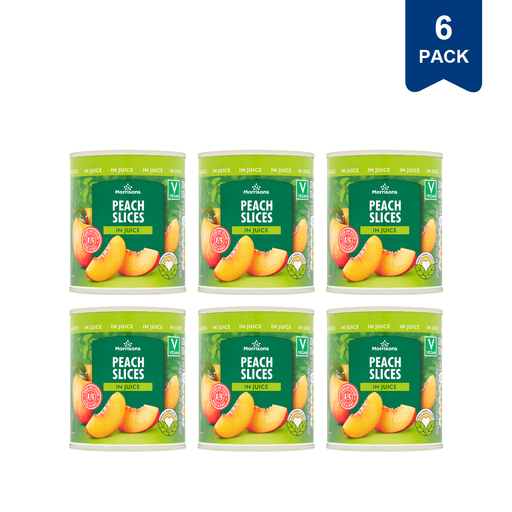 Image unavailable
Separate cans let a household open fruit for one lunch without opening the whole multipack. Compare the drained fruit on the received cans with the portions you need; after opening, follow the pack’s refrigeration instructions and check for the stated possibility of a stone fragment.
 Image unavailable
Four individual pots suit lunches packed separately for trips or activities. If the amount of fruit in each pot matters, check its drained quantity rather than using the full 113g pot weight; check the current ingredients if you want to avoid sweeteners.
 Image unavailable
This single tin is an option when several people will share peach halves at lunch. Check the drained quantity and serving information on the can against the number eating, and follow its own instructions for any leftovers.
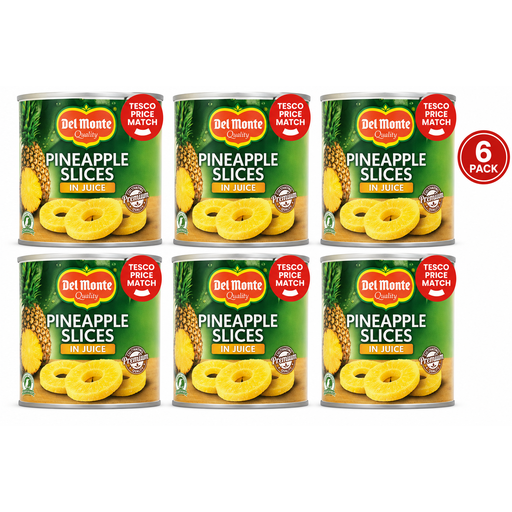 Image unavailable
The six-can pack lets a family open pineapple for different lunches rather than opening all the fruit at once. Check the drained quantity and servings on each can before planning portions, and refrigerate any opened-can leftovers as the pack directs.
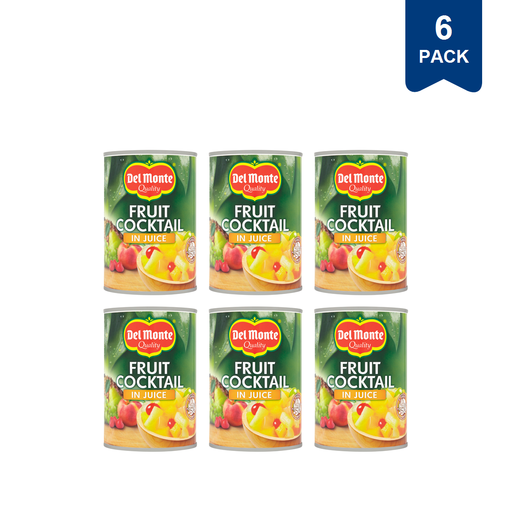 Image unavailable
This multi-can option suits lunches where a shared tin of mixed fruit is wanted. Use the received pack’s drained quantity and serving guidance to plan portions, and follow its instructions for storing fruit left after opening.
Compare drained weight where it is stated: net weight includes the juice or syrup, while drained weight indicates the fruit left after removing that liquid. Then check the stated servings against the number of people eating.
For routine canned-fruit choices, the NHS advises fruit in natural juice or water with no added sugar or salt. If you want syrup for a sweeter dessert or recipe, check the ingredients and sugars per 100g; “light syrup” does not mean sugar-free.
Follow the instructions on the particular pack rather than applying one tin’s time limit to another. ASDA’s listed peach and pear tins instruct shoppers to transfer unused fruit to a suitable non-metallic container, cover and refrigerate it, and use it within four days.
Read the ingredient and allergen information on the pack received, not just the product title or an earlier online listing. Check the specific fruit, packing liquid and any other listed ingredients against the child’s requirements.
Yes. ASDA’s listed peach and pear tins warn that stones, pips or seeds may remain despite preparation. Inspect the fruit and prepare it appropriately for the child eating it.