Older adults wanting fruit kept in the cupboard
Tinned fruit offers another way to include fruit when fresh fruit is impractical. The NHS Eatwell Guide includes tinned fruit among fruit and vegetable formats, alongside other parts of a varied diet.


Fruit in juice is a starting point if you want to avoid syrup, but compare the ingredients, sugars and usable serving size on each tin. Tinned fruit can be one part of an older person’s varied diet, not a complete nutrition solution. If they have swallowing difficulties, choose and prepare fruit according to their individual texture and fluid plan.
Tinned fruit offers another way to include fruit when fresh fruit is impractical. The NHS Eatwell Guide includes tinned fruit among fruit and vegetable formats, alongside other parts of a varied diet.
Smaller tins or separate pots may suit someone who eats a little at a time. Compare the amount of fruit they are likely to eat with the pack’s instructions for storing any remainder.
Fruit that looks soft is not necessarily suitable for someone with swallowing difficulty. Kent Community Health NHS Foundation Trust advises that some foods and textures are harder to swallow; an individual texture plan should guide the choice.
Start with any individual texture requirements, then compare the fruit, packing liquid and portion size against what the person will eat.
| Concern | What to check | Who this matters to |
|---|---|---|
| Fruit texture and liquid | For someone with dysphagia, check the prescribed texture and fluid plan before choosing fruit pieces or serving their juice. | If the person struggles to chew or swallow, I need fruit prepared to their individual plan, not simply fruit that appears soft. About 31% of consumers put texture and swallowing requirements first. |
| Packing liquid and label | Check whether the fruit is in juice or syrup, then compare ingredients and sugars per 100g on the specific pack. | When choosing between similar tins, I want to know what surrounds the fruit and what the label says about sugars. For about 25% of consumers, that label choice is the primary concern. |
| Place in meals | Consider how the fruit fits alongside the other foods and drinks the person needs, rather than using it in place of a meal. | If appetite is poor, I do not want a convenient fruit portion to stand in for everything else the person eats. Keeping fruit in a wider eating plan comes first for about 25% of consumers. |
| Portions and leftovers | Compare pack size with drained weight where stated, and read the instructions for storing fruit after opening. | When only a small amount will be eaten, I need a pack whose remainder can be managed within its storage instructions. Portion and leftover planning is the main concern for about 19% of consumers. |
Juice-packed fruit can still list sugars in its nutrition information. The words on the front of a tin do not replace a comparison of the particular products you are considering.
Read the ingredients and sugars per 100g, particularly if the person has individual dietary advice about sugars.
Skins, fibrous pieces and separate liquid can matter for someone with dysphagia. The Princess Alexandra Hospital NHS Trust’s guidance for an IDDSI Level 6 soft and bite-sized diet calls for fruit to be mashed and excess juice drained.
Follow the person’s prescribed texture and fluid plan, and ask their speech and language therapist or dietitian about fruit that is uncertain.
Pack weight is not necessarily the amount of fruit served after draining. A tin that lasts several portions also leaves opened fruit to store.
Check drained weight and stated servings where available, then choose a pack size that fits the likely intake and its opened-storage instructions.
The NHS Eatwell Guide includes fruit as one part of a varied diet, not a replacement for other foods. An older person who is eating poorly may have needs that a fruit purchase cannot address.
Serve fruit alongside suitable meals and snacks. Seek healthcare advice about unintentional weight loss or continuing difficulty eating.
A branded option that includes prunes in juice, as shown in Asda’s product listing.
Princes peach slices in juice are listed in a 220g tin by Tesco.
Tesco’s own-label peach slices in juice provide a standard-tin option.
Sainsbury’s own-label mandarin segments in fruit juice offer another fruit and format to compare.
Asda is a retailer option for the listed Del Monte Prunes in Juice 410g product.
The M&S tinned-fruit category includes grapefruit segments and rhubarb chunks.
These juice-packed fruit selections include separate peach pots, a smaller peach tin and larger tins of prunes, mixed fruit and pears. Choose between them by the fruit the person will eat, the portion you can use and any individual texture requirements.
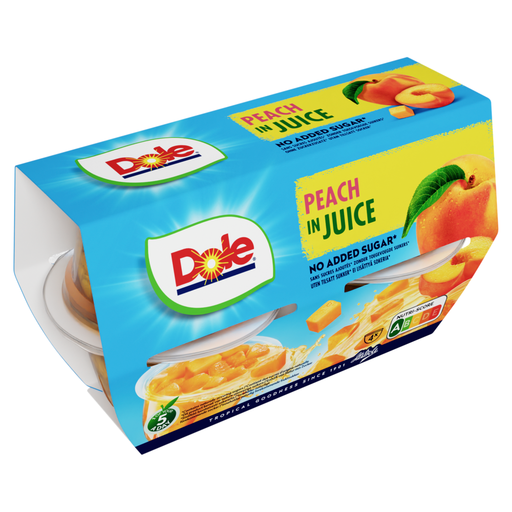 No image available
Four separate pots offer a portioning option when opening one larger tin would leave more fruit than needed. Check the ingredients if sweeteners matter to the person, and follow their individual texture plan if they have swallowing difficulty.
 No image available
This smaller tin may suit a household planning a modest amount of peaches rather than several separate pots. The product information warns that stone fragments may occasionally remain, so check the fruit before serving. Assess its texture against any individual eating plan.
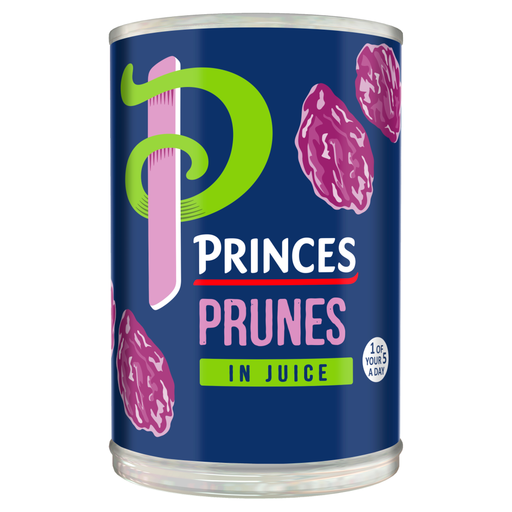 No image available
Consider this tin if prunes are a fruit the person wants and the household can manage any remainder. The product information warns of plum stones; take particular care before serving to someone who has difficulty chewing. Follow the label’s refrigerated-leftover instructions and any prescribed texture plan.
 No image available
Mixed fruit may suit someone who wants variety from one tin. Check the current ingredients for any restrictions, and consider whether the different fruit pieces and surrounding juice fit the person’s eating plan. Read the pack for the edible portion and opened-storage instructions before planning leftovers.
 No image available
Pear halves are an option when the person prefers pears to mixed fruit. Check the current nutrition label if sugars affect the choice, and use the pack’s portion and storage information to plan the tin. Halves and surrounding juice still need to fit any prescribed texture and fluid plan.
Yes. The NHS Eatwell Guide includes tinned fruit among ways to eat fruit and vegetables. It remains one component of a varied diet, rather than a substitute for other foods.
Choose fruit in juice if avoiding syrup is your priority, but compare the exact products rather than assuming the wording settles every dietary question. Juice-packed fruit can still list sugars, so read the nutrition information and ingredients.
Not automatically. Kent Community Health NHS Foundation Trust identifies difficult food textures as a swallowing concern, while the Princess Alexandra Hospital NHS Trust’s IDDSI Level 6 guidance calls for fruit to be mashed and excess juice drained. Follow the person’s own prescribed texture and fluid plan rather than applying one preparation rule to everyone.
Follow that product’s storage instructions. Tesco’s peach slices and Sainsbury’s mandarin segments direct shoppers to transfer unused fruit to a non-metallic container, refrigerate it and use it within two days; Asda’s listing for Del Monte prunes gives a different use-by period after opening. Check the pack you have rather than applying one tin’s instructions to another.
Start with the fruit and packing liquid, ingredients, nutrition information, portion details and storage instructions. If an allergy, intolerance or prescribed diet applies, check the current physical pack before serving rather than relying only on an online description.