Guests sharing a short stay
Two or three people planning to share fruit at breakfast or for dessert can consider a standard tin. Check its stated servings against the meals you have planned rather than assuming the whole tin will be used.


Choose the pack size around how many people will eat the fruit during the stay: a smaller tin or separate portions may leave less to store after a solo breakfast, while a standard tin can serve a shared meal. Choose between juice and syrup by checking the exact ingredients and nutrition label, then read the opened-storage instructions before relying on one tin for several meals.
Two or three people planning to share fruit at breakfast or for dessert can consider a standard tin. Check its stated servings against the meals you have planned rather than assuming the whole tin will be used.
For a solo meal or one breakfast as a couple, a smaller tin or separate portions may be easier to finish. Princes lists peach slices in both 220g and 410g tins; the packs offer different ways to match the quantity to the stay.
If the fruit is going into breakfast, baking or dessert, the fruit cut and packing liquid both matter. Compare the ingredients and nutrition panel of the particular juice- or syrup-packed product you intend to use.
Start with the portions you need during the stay, then choose the packing liquid and fruit cut for the meals you have planned.
| Concern | What to check | Who this matters to |
|---|---|---|
| Tin size and leftovers | Compare net weight, stated servings and opened-storage directions. Princes lists peach tins in 220g and 410g sizes. | If I only need fruit for one meal, I want a quantity I can finish without storing the remainder. About 33% of consumers put portion size and avoiding leftovers first. |
| Juice or syrup | Read the exact ingredients and compare sugars using the same quantity basis on each nutrition panel. | For breakfast or dessert, I want to know what the fruit is packed in before choosing a tin. Around 42% of consumers put the packing liquid and ingredients first. |
| Fruit type and cut | Choose slices, halves or chunks for the planned dish; check drained weight if the amount of fruit matters. | When one purchase needs to work for more than one cottage meal, the fruit and its cut affect what I can make. About 25% of consumers put menu flexibility first. |
A short stay may end before a small party uses an opened remainder. The Tesco peach-tin instructions, for example, call for refrigeration and use within two days of opening.
Plan the portions before choosing the size, and check whether the cottage has space to refrigerate leftovers.
Keeping leftovers may also require a suitable covered, non-metallic container, as specified on the Tesco and Asda peach-tin instructions.
Being packed in juice does not mean the nutrition panel will show no sugars. Juice and syrup products can also have different ingredient lists.
Read the ingredients and compare the nutrition panels on the exact tins, using the same per-serving or per-100g basis.
Some peach-product information warns that an occasional stone fragment may remain despite preparation.
Read the warning on the tin and check the fruit before serving, particularly to children.
GOV.UK distinguishes best-before dates, which concern quality, from use-by dates, which concern safety; it identifies tinned foods among products commonly carrying best-before dates.
Read the date type and storage instructions on the actual tin. Do not apply best-before guidance to a product marked with a use-by date.
A branded peach option: Asda lists Del Monte peach slices in juice in a 415g tin.
Princes lists peach slices with juice in both 220g and 410g tins.
Tesco lists a 410g own-label peach-slices-in-juice tin alongside other tinned and potted fruit.
Its listed tinned-fruit choices include peach and apricot products, offering different fruits for a planned dish.
Asda lists 411g own-label peach slices in juice and 411g peach slices in light syrup.
M&S lists tinned grapefruit segments and rhubarb chunks among its fruit options.
These selections cover smaller and standard tins in juice, a standard tin in light syrup, and a four-pot alternative for eating fruit in separate portions. The pots are not a single tin.
 No image available
A smaller single tin to consider when peaches are needed for one cottage meal. The pack is 220g and contains peach slices in juice; if you expect leftovers, check its opened-storage directions before buying.
 No image available
Consider this single tin when pineapple chunks suit a shared breakfast or dessert. It contains 432g of pineapple chunks with juice; check the label for the fruit quantity and directions for any remainder.
 No image available
Peach halves are an option for a planned shared dessert. This is a 415g single tin in juice; compare its stated portions with your group size and follow the label if fruit remains after opening.
 No image available
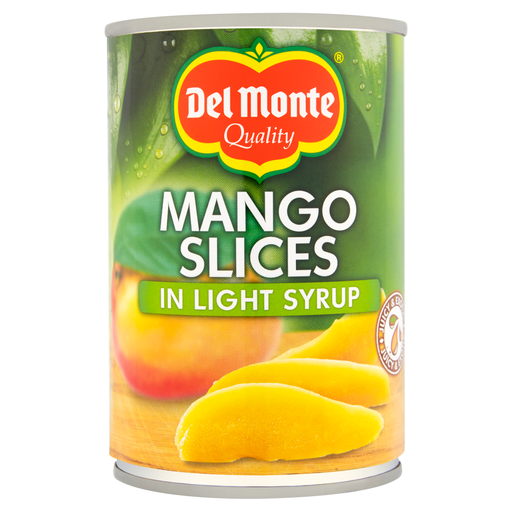
Consider this tin if sliced mango in syrup fits the dessert you have planned. It is a 425g single tin in light syrup, not fruit in juice; check the ingredients, nutrition panel and opened-storage directions for your intended use.
 No image available
Separate portions may suit a stay when fruit will be eaten at different meals. This is a pack of four 113g peach pots, not one tin; read the ingredients and storage directions for the individual pots.
Check the servings on the particular tin against the number of guests. A standard tin can work for a shared breakfast, but if only one person will eat it, the opened-storage instructions matter just as much as the unopened size.
Choose the packing liquid for the dish you intend to make, then compare the exact ingredient lists and nutrition panels. Do not assume that fruit in juice contains no sugars or that every product packed in the same liquid has identical ingredients.
Follow the instructions on that tin and make sure the cottage has suitable refrigeration if you plan to keep leftovers. Tesco's listed peach tin instructs shoppers to transfer unused fruit to a covered, non-metallic container, refrigerate it and consume it within two days; the listed Asda peach products give different periods.
A best-before date concerns quality, rather than being the same as a use-by date. GOV.UK identifies tinned foods among products commonly carrying best-before dates; still follow the tin's storage directions and do not apply this distinction to a product marked with a use-by date.