Single-serve stock-up shoppers
If you usually open fruit for one or two servings, a smaller tin may leave less to store. Check its drained weight as well as its net weight to judge how much fruit you will get.


Choose smaller single tins for a cupboard stock-up if you usually finish fruit in one or two servings; choose larger tins when you have a plan for the contents after opening. Compare net and drained weight for the same fruit, then check the cut, packing liquid and storage instructions on each tin.
Buying several individual tins lets you choose different sizes and fruits for the occasions when you expect to open them.
If you usually open fruit for one or two servings, a smaller tin may leave less to store. Check its drained weight as well as its net weight to judge how much fruit you will get.
If you can use a larger opened tin, compare the fruit’s drained weight across similar products. The net weight also includes the packing liquid, so it answers a different question.
If tins are destined for yoghurt, baking or desserts, choose the fruit and cut for the dish before settling on size. Check the packing liquid when it matters to the recipe or your preference.
For a bulk cupboard order, start with the amount you can use after opening, then compare the amount of fruit and the format needed for each planned use.
| Concern | What to check | Who this matters to |
|---|---|---|
| Opened-tin leftovers | Match net and drained weight to the portions you expect to use. Read the exact tin’s after-opening instructions. | If I normally serve fruit once or twice, I want to finish an opened tin rather than store a large remainder. About 36% of consumers put avoiding opened-tin waste first. |
| Usable fruit quantity | Compare drained weights for similar fruit and packing liquids; net weight includes liquid. | When I have several servings or a recipe planned, I want to know how much fruit each tin contains. Roughly 36% of consumers make usable fruit quantity their primary concern. |
| Fruit and format | Check the fruit cut, packing liquid and ingredient list on the exact variant. | For baking or dessert, I need the right pieces and packing liquid, not just a convenient tin size. About 28% of consumers put recipe and format fit first. |
Net weight includes the packing liquid. Two tins with similar net weights need not contain the same drained amount of fruit.
Look for drained weight on the tin or product listing when the amount of fruit matters to your portions or recipe.
A larger tin can leave fruit to store after the first serving. For its listed pineapple product, Sainsbury’s gives instructions to transfer unused contents to a suitable non-metallic container, cover and refrigerate them, and use them within 3–4 days.
Choose a size you can use within the instructions on the exact tin, or include smaller tins in your cupboard order.
Sainsbury’s listing for Del Monte Fruit Cocktail in Juice says its packing juice can vary by season. A particular fruit or ingredient may therefore matter more than the general product name.
Read the current label when your recipe requires a specific fruit or packing liquid.
A retailer’s listed range does not establish what is available for your selected order or store.
Confirm the chosen variants and read their current on-pack details before completing a bulk order.
These ranges offer different single-tin sizes and fruit formats. Choose by the particular tin rather than treating a brand name as a guide to its contents.
Tesco lists own-label single tins across fruit types, including pineapple slices in 227g and 425g formats.
Sainsbury’s lists own-label small and standard single tins, including 213g peach slices and a 411g peach-slice format.
UK retailer listings include Del Monte pineapple, peaches, pears, mandarins and fruit cocktail in different cuts and packing liquids.
Princes lists pineapple chunks in juice in 227g and 432g sizes, alongside other fruit types and cuts.
M&S lists tinned fruit including 560g rhubarb chunks and 540g grapefruit segments, which may suit a planned dessert or baking use.
These individual tins cover smaller peach slices and standard-size peach, mixed-fruit, pineapple and mango formats. Choose the fruit and cut for your intended servings or recipe, then check the tin’s label before stocking up.
 Image unavailable
Consider peach halves when your dessert or serving plan calls for larger pieces of fruit. This is a single 415g tin packed in juice; check its drained weight to plan the amount of fruit you will use.
If you expect leftovers, follow the exact tin’s instructions for transferring and refrigerating them.
 Image unavailable
Consider this smaller single tin when peach slices suit your serving and you want less fruit to manage after opening. The stated net weight is 220g; check the drained weight when planning portions.
Check for possible stone fragments when serving, particularly to young children, and follow the tin’s after-opening instructions.
 Image unavailable
Consider this 415g single tin when a fruit mix suits your dessert or serving plan. Check the current label if you need a particular fruit or packing juice: Sainsbury’s listing for this Del Monte variant says the packing juice can vary by season.
Plan for any contents left after opening using the instructions on the tin.
 Image unavailable
Consider chunks when pineapple pieces suit your planned servings or recipe. This is a single 432g tin with juice; check its drained weight if the amount of fruit is important to the dish.
Make sure you can use the opened contents within the period stated on the tin.
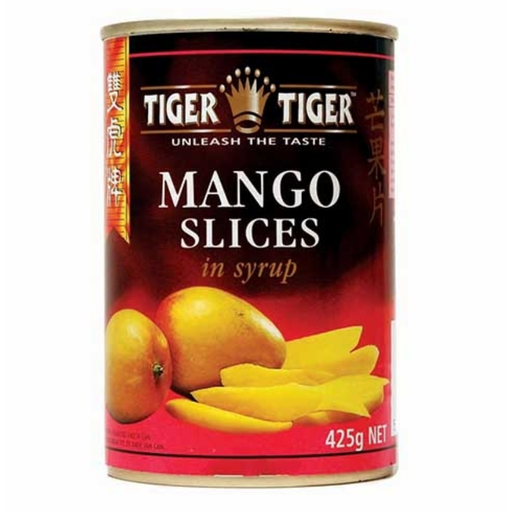 Image unavailable
Consider mango slices if that fruit and cut fit your dessert or fruit-salad plan. This single 425g tin is packed in light syrup, so check the exact label when the packing liquid or ingredients matter.
Plan to store any leftovers as directed on the tin.
No. Smaller tins suit occasions when you expect to use only a little fruit at once; a larger tin can suit several planned servings or a recipe. Check drained weight and make sure you can follow the larger tin’s after-opening instructions.
Follow the instructions on the exact tin. Sainsbury’s listed Del Monte pineapple product directs shoppers to put unused contents in a suitable non-metallic container, cover and refrigerate them, and use them within 3–4 days; do not assume every fruit tin has the same period.
Choose the packing liquid that fits your recipe or preference, then compare the ingredients and nutrition information on the exact tins. A juice-packed fruit cocktail and mango slices in light syrup are different variants, not interchangeable descriptions of every tinned fruit product.
Read the label on the tin you receive, particularly if a specific ingredient or allergen matters. Tesco advises that food products can be reformulated and that ingredients, nutrition information and allergens may change.