What matters when buying?
For a one-person winter dessert, start with the portion you will use, then consider the packing liquid, the recipe and what you would do with leftovers.
| Concern | What to check | Who this matters to |
|---|
| Portion size |
Compare separate 113–120g portions with smaller tins; check the tin’s stated serving count. |
If I only want one dessert, opening a larger tin means finding a use for the rest. About 31% of consumers put avoiding leftovers first. |
| Packing liquid |
Read the ingredients for juice, water, syrup or jelly, and compare the nutrition information per serving. |
For fruit alongside porridge or yoghurt, I may prefer the juice-or-water choice advised by the NHS. About 31% of consumers make the packing liquid their primary concern. |
| Recipe fit |
Choose the fruit variety and whether the recipe calls for slices, pieces or chunks. |
When making a crumble or pie, I need fruit that suits that dish rather than simply the smallest pack. About 19% of consumers prioritise recipe fit. |
| Using the remainder |
Check the drained weight and the exact pack’s instructions for storage after opening. |
If one tin will cover two desserts, I need to know how to store the second portion. About 19% of consumers put using and storing the remainder first. |
Joybuy fruit selections
These selections cover separate peach pots, smaller and larger tins in juice, and peaches in syrup. Choose by the portion you can use and the dessert format you want; a smaller container does not automatically mean a single serving.
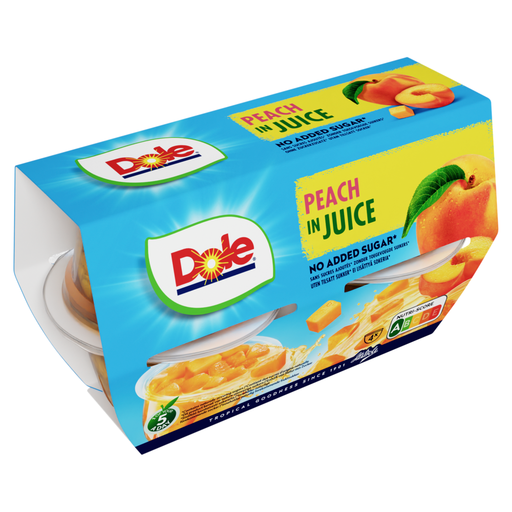 Image unavailable
Dole Peaches in Juice, 4 x 113g
Consider these separately portioned peach pots when you want to open fruit for one cold dessert without opening a tin. If you are avoiding sweeteners, check the label for steviol glycosides.
View on Joybuy
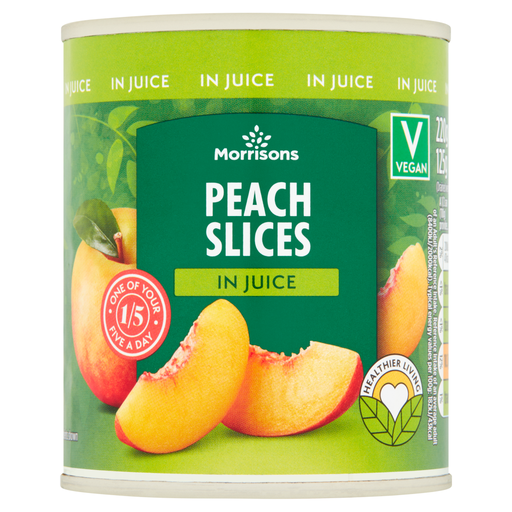 Image unavailable
Morrisons Peach Slices in Juice, 220g
This smaller tin is an option if you prefer peach slices from a can. It is described as two servings, so plan for the remainder: follow its instruction to transfer unused fruit to a non-metallic container, refrigerate it and use it within two days. Check the slices while serving, as the product information notes that a stone fragment may remain.
View on Joybuy
 Image unavailable
Princes Pineapple Chunks with Juice, 432g
Choose this pineapple tin if you can use fruit across two desserts or in a recipe, rather than needing one sealed portion. The product information describes two servings and calls for leftovers to be transferred to a sealed container, refrigerated and consumed within two days.
View on Joybuy
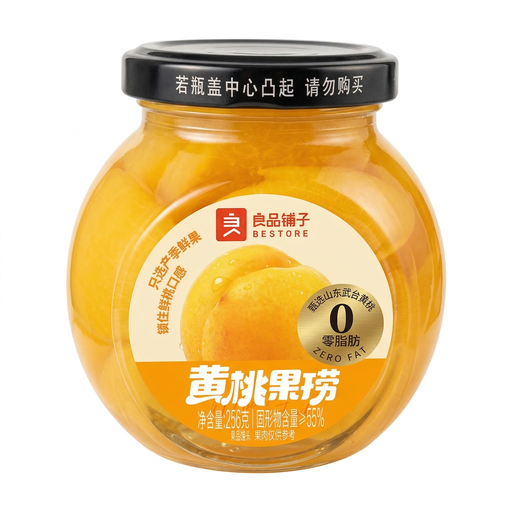 Image unavailable
Bestore Canned Yellow Peach in Syrup, 256g bottle
Consider this when you specifically want peaches in syrup for a dessert, rather than the juice-or-water format advised by the NHS. Check the portion guidance if one dessert must use the whole bottle; follow the product’s instruction to refrigerate after opening and consume within 24 hours.
View on Joybuy
 Image unavailable
Del Monte Fruit Cocktail in Juice, 415g
This mixed-fruit tin is an option for a quick bowl dessert when you can use a larger can. Check its serving guidance if avoiding leftovers matters, and follow the can’s storage instructions after opening.
View on Joybuy
Common questions
Should I buy individual pots or a standard tin for one dessert?
Choose separate 113–120g pots if avoiding an opened tin is your priority. A standard tin can work when you have a second serving or recipe planned and can follow that product’s storage instructions for the remainder.
Does tinned fruit count towards 5 A Day?
Yes. The NHS states that 80g of canned fruit or vegetables counts as one portion of 5 A Day, and advises choosing tinned fruit in natural juice or water with no added sugar or salt.
Does “in juice” mean the fruit has no sugars?
No. Check the nutrition panel on the exact product for sugars per serving, as well as its ingredients if you want to distinguish juice from syrup or other additions.
How do I store fruit left in an opened tin?
Follow that tin’s instructions. Tesco Groceries says to transfer unused fruit from its peach tin to a covered, non-metallic container, refrigerate it and consume it within two days; its Princes peach listing also specifies a sealed container, refrigeration and use within two days.
What does the best-before date mean for an unopened tin?
A best-before date concerns quality. GOV.UK says food may usually remain safe after that date but may not be at its best quality; check the tin’s condition and follow its storage instructions. The unopened date does not replace instructions for storing fruit after opening.


