Choose the exact tin by its fat figure per 100g, then check the packing liquid, sugars and drained weight against your biscuit dessert recipe. UK Department of Health and Social Care guidance says a solid food carrying a ‘low fat’ claim must contain no more than 3g fat per 100g; Tesco, Del Monte and Princes peach-in-juice examples list 0g or less than 0.1g per 100g. That describes the fruit component, not a dessert containing biscuits, butter, cream or other ingredients.
Who is this for?
Bakers checking the fruit’s fat content
If you are making a biscuit-based dessert with a low-fat objective, the tin’s nutrition panel helps you assess the fruit. You will need to assess the biscuits and other ingredients separately before making any claim about the finished dessert.
Bakers balancing sweetness and moisture
For a fruit topping or chilled biscuit layer, the packing liquid and sugars per 100g matter alongside fat. Fruit in juice still contains sugars, while draining lets you control how much canning liquid enters the recipe.
Bakers planning portions and leftovers
When a recipe specifies a weight of fruit pieces, drained weight is more useful than the tin’s total weight. Check the pack’s instructions for any fruit left after opening.
What to check on the tin
For a biscuit dessert with a low-fat objective, assess the fruit itself before deciding how much sweetness and liquid the recipe can accommodate. These concerns apply to choosing the fruit; they do not classify the completed dessert.
| Concern |
What to check |
Who this matters to |
| Fat in the fruit |
Read fat per 100g on the exact tin. UK Department of Health and Social Care guidance sets the ‘low fat’ claim threshold for solid food at no more than 3g per 100g. |
If I want the fruit component to meet a low-fat test, I need its own nutrition figure rather than judging the whole dessert from the fruit alone. About 42% of consumers put that fat check first. |
| Sweetness and liquid |
Compare the packing medium and sugars per 100g. Drain the fruit if the recipe does not call for the canning liquid. |
For a biscuit layer or topping, I want to choose how much liquid goes in and account for the fruit’s sugars. Controlling sweetness and moisture is the main concern for about 33% of consumers. |
| Usable fruit and handling |
Check drained weight, any stone warning and the instructions for storing fruit after opening. |
When my recipe calls for a measured quantity of fruit pieces, I need to know how much the tin will yield and what to do with leftovers. About 25% of consumers put usable yield and handling first. |
Mistakes to avoid
-
Calling the whole dessert low fat because the fruit is
Tesco Groceries lists 0g fat per 100g for its peach slices in juice, and Princes lists less than 0.1g per 100g for its peach slices with juice. Neither figure accounts for the biscuit base, cream or toppings.
Check the fat contribution of every ingredient before describing the finished dessert as low fat.
-
Assuming ‘in juice’ means sugar-free
Tesco Groceries lists 9.7g sugars per 100g for Tesco Peach Slices in Juice; Princes lists 11.8g per 100g for its Peach Slices with Juice.
Compare sugars on the exact tin and account for any sweetened filling or added sugar in the recipe.
-
Measuring portions by total tin weight
The liquid counts towards a tin’s total weight. Tesco Groceries lists a 250g drained weight for its 410g peach slices in juice.
If the recipe specifies fruit pieces, measure or plan from the drained amount rather than the weight of fruit and liquid together.
-
Overlooking a peach-stone warning
Tesco Groceries warns that stones may remain in its peach slices despite care in removal. A piece can be harder to spot after the fruit is chopped or covered by a dessert layer.
Inspect the fruit before chopping, blending or serving it.
Brands to consider for these fruit choices
Tesco
Tesco Peach Slices in Juice provide a labelled peach option for comparing fat, sugars and recipe yield.
- Tesco Groceries lists 0g fat and 9.7g sugars per 100g, with a 250g drained weight for the 410g tin.
- Check the current pack label, including its stone warning and instructions for unused fruit.
Princes
Princes Peach Slices with Juice are a peach-in-juice choice to compare by the exact product’s label.
- Princes lists less than 0.1g fat and 11.8g sugars per 100g for this product.
- Those figures do not describe Princes fruit in syrup or other fruit products.
Del Monte
Del Monte Peach Slices in Juice offer another labelled peach product for a biscuit dessert.
- Tesco Groceries lists 0g fat and 11g sugars per 100g, with a 250g drained weight for the 415g tin.
- The listed packing juice can vary between pineapple, grape and pear juice; check the can when its flavour or ingredients matter to your recipe.
M&S
M&S lists tinned rhubarb chunks and grapefruit segments for shoppers considering a fruit other than peaches.
- M&S describes these fruits as options for baked dishes such as pies and crumbles.
- For a low-fat biscuit dessert, assess the nutrition panel and drained amount of the particular tin you choose.
Tinned fruit selections on Joybuy
These selections cover peach, mixed fruit, pear and pineapple packed in juice, plus mango in light syrup. Choose the fruit and packing medium your biscuit dessert calls for, then check the exact pack before measuring or assessing its nutrition.
 No image available
Del Monte Peach Halves in Juice 415g
These peach halves are a juice-packed option when the recipe calls for peach pieces. Check fat and sugars per 100g on the pack, and use its drained weight when planning the amount of fruit.
View on Joybuy
 No image available
Del Monte Fruit Cocktail in Juice 415g
Fruit cocktail suits a recipe calling for mixed fruit rather than a single peach or pear layer. Confirm the pack quantity and drained fruit weight before using it to size a batch; check the nutrition panel separately.
View on Joybuy
 No image available
Del Monte Pear Halves in Juice 415g
Choose pear halves if pears suit the intended biscuit dessert. Check the drained weight before measuring fruit for the recipe, as well as the pack’s fat and sugars figures.
View on Joybuy
 No image available
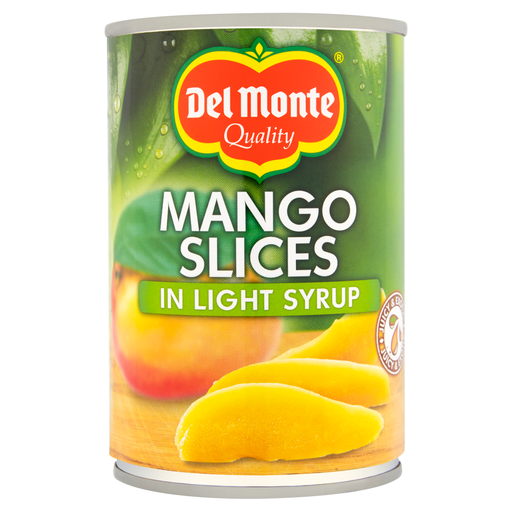
Del Monte Sliced Mango in Light Syrup 425g
This is a mango option when the recipe calls for mango and allows fruit packed in light syrup. Check the exact pack’s nutrition values and drained amount; do not treat ‘light syrup’ as a statement about fat or sugars.
View on Joybuy
 No image available
Princes Pineapple Chunks with Juice 432g
These pineapple chunks offer a juice-packed fruit option if pineapple suits the recipe. Check the pack’s drained weight for portion planning and its per-100g nutrition figures for the fruit component.
View on Joybuy
Common questions
What does ‘low fat’ mean on a tinned-fruit label?
For a solid food, UK Department of Health and Social Care guidance permits a ‘low fat’ claim only at no more than 3g fat per 100g. A qualifying tin does not establish that a biscuit dessert made with it is low fat; assess the other ingredients too.
Should I choose fruit in juice or light syrup?
Choose fruit in natural juice if you want to follow NHS advice to select tinned fruit in juice rather than syrup. Still read the exact nutrition panel: Tesco Groceries lists 9.7g sugars per 100g for Tesco Peach Slices in Juice, so juice-packed does not mean sugar-free.
Should I drain tinned fruit for a biscuit layer?
Drain it when the recipe calls for fruit pieces without the canning liquid, particularly for a biscuit base or chilled layer. If the recipe uses the liquid, follow its directions instead. Store any unused fruit according to its pack instructions.
How much fruit will a tin give me for a recipe?
Use the tin’s drained-weight figure when the recipe specifies fruit pieces. For example, Tesco Groceries lists 250g drained fruit for its 410g Peach Slices in Juice; check the figure on your chosen product rather than assuming tins of similar total weight yield the same amount.


