Hosts avoiding added sugar
If cakes and scones are already on the table, you may want fruit without added sugar. The exact ingredients and nutrition panel matter more than an assumption based on the fruit name.


For an afternoon tea where avoiding added sugar matters, start with fruit in juice or a product whose exact label says no added sugar, rather than choosing light syrup by default. Compare ingredients and sugars per 100g: a no-added-sugar claim does not mean sugar-free, and NHS guidance counts sugars in fruit juice and syrup as free sugars. Then choose the cut and drained quantity that fit your serving plan.
If cakes and scones are already on the table, you may want fruit without added sugar. The exact ingredients and nutrition panel matter more than an assumption based on the fruit name.
A fruit bowl, trifle or cake topping calls for a suitable cut and enough usable fruit. Compare slices, chunks and mixed fruit, then look for drained weight when planning quantities.
Choose a pack size that fits the number of guests and check the product’s instructions for storing fruit after opening. Individually portioned pots are another format to consider if you will not open every serving at once.
Settle the packing medium and label claim first; then match the fruit and usable quantity to the dishes you intend to serve.
| Concern | What to check | Who this matters to |
|---|---|---|
| Added sugar and total sugars | Read the packing medium, ingredients, any no-added-sugar claim and sugars per 100g on the exact product. | If I want fruit alongside other sweet foods, I need to know whether a label claim matches what I intend to avoid. About 42% of consumers put avoiding added sugar first. |
| Cut and usable quantity | Choose slices, chunks, segments or a mix for the dish; compare drained weights where shown. | When fruit is going into a shared bowl or dessert, I need a cut that works and enough fruit once the liquid is drained. For about 33% of consumers, serving format and usable quantity come first. |
| Pack size and leftovers | Match the pack to expected servings and read its instructions for storage after opening. | If the gathering is small, I would rather open only what we can use and store any remainder as directed. Limiting leftovers is the primary concern for about 25% of consumers. |
Fruit and juice can still appear in the total-sugars figure. NHS guidance also counts sugars in fruit juice as free sugars; the words in juice do not establish a no-added-sugar claim.
Check the exact ingredients, any no-added-sugar wording and sugars per 100g.
Sainsbury's listings include fruit in juice alongside syrup-packed options. The same type of fruit need not have the same packing medium across products.
Read the full product description and label before choosing syrup for a dessert or juice for an added-sugar priority.
The stated pack weight includes liquid. A drained weight, where provided, gives a more useful indication of the fruit available for a platter or topping.
Plan the quantity around drained fruit and the dishes you are making, rather than comparing can weights alone.
Storage directions are product-specific. M&S Food directs shoppers to transfer its grapefruit segments to a non-metallic container, refrigerate them and eat them within two days.
Follow the instructions on the fruit you actually open, including its container and use-after-opening directions.
A familiar brand name does not establish the packing medium or sugar claim for every product in its range; compare the individual pack.
Sainsbury's lists Del Monte peach slices in juice, including a drained weight for that product.
Princes lists pineapple chunks in juice among its canned-fruit products.
Its tinned-fruit listings include peach slices in fruit juice and other fruit formats suitable for comparing individual products.
M&S Food lists grapefruit segments for shoppers considering a different fruit for their spread.
These selections cover fruit in juice for a shared bowl or dessert, plus portioned peach pots for opening servings separately. Compare each current label if an explicit no-added-sugar claim is essential.
 No image available
Consider pineapple slices for a fruit platter or dessert where you want a ready-cut option. This is a 435g product in juice; check its drained weight when working out how many packs to serve. If a no-added-sugar claim is important, confirm it on the current pack rather than inferring it from in juice.
 No image available
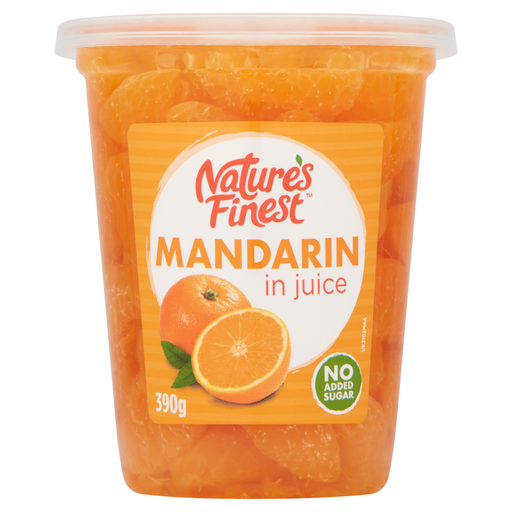
Mandarins can be added to a shared fruit bowl or used as a dessert topping. The named pack is 390g and in juice; check its drained weight for portion planning. Read the current label for the ingredients, sugars per 100g and any no-added-sugar claim.
 No image available
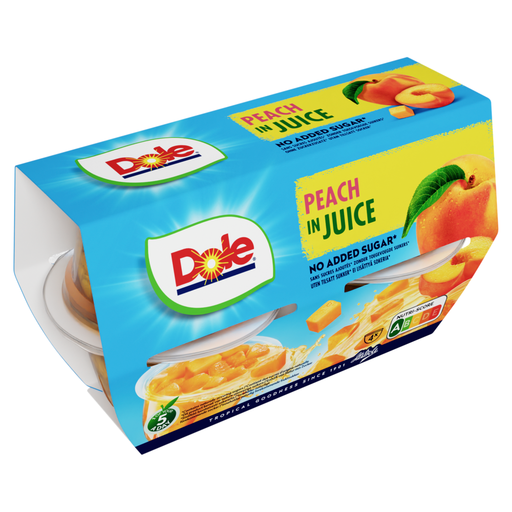
Four separate 113g pots let you open peach portions as needed for the tea table. These are pots, not a conventional tin. Check the current ingredients and any no-added-sugar claim if you are also trying to avoid added sweeteners.
 No image available
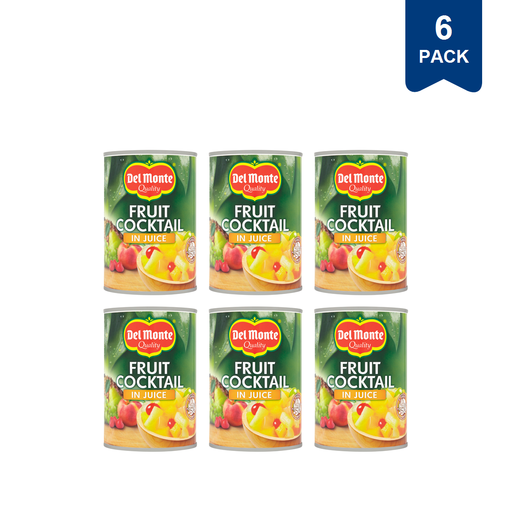
A fruit cocktail offers a mix for a shared bowl without choosing several single-fruit products. Check the current pack’s drained weight and the number of packs supplied before planning portions; the product information gives conflicting indications about pack quantity. Also check the label if you require an explicit no-added-sugar claim.
 No image available
Pineapple chunks are a cut to consider for fruit salad or a dessert topping. This named pack is 432g and uses juice; check its drained weight for the amount of fruit you can serve. Do not treat the packing medium alone as confirmation of a no-added-sugar claim.
No. Fruit and juice can still contribute to the total sugars shown on the nutrition panel. Check the ingredients and sugars per 100g as well as any no-added-sugar claim on the exact pack.
If avoiding added sugar is your priority, fruit in juice is a sensible place to start, but check the ingredients and label claim before deciding. NHS guidance counts sugars in both fruit juice and syrup as free sugars; the packing medium alone does not tell you the product’s total sugars.
Compare sugars per 100g, then use drained weight where available to plan the amount of fruit you can serve. NHS food-label guidance explains that nutrition information is provided per 100g or 100ml, making pack sizes easier to compare.
Follow the instructions on the opened product rather than assuming one storage period applies to every fruit. For its grapefruit segments, M&S Food says to transfer the contents to a non-metallic container, refrigerate and eat within two days.