Label-led shoppers
If you are comparing tinned fruit for weight management, the NHS explains how to read nutrition values per 100g. That gives you a consistent starting point for checking energy and sugars across different tin sizes.


Fruit packed in juice is a practical starting point if you want to avoid syrup, but compare energy and sugars per 100g on the actual label rather than assuming all juice-packed tins are alike. Choose a pack size you can portion and use, checking its drained weight and instructions for leftovers; a larger tin is useful only if its contents fit your plans.
If you are comparing tinned fruit for weight management, the NHS explains how to read nutrition values per 100g. That gives you a consistent starting point for checking energy and sugars across different tin sizes.
If fruit goes into several planned breakfasts or desserts, check the drained weight to see how much fruit the tin provides, then consider whether you will use it after opening.
A smaller tin or individually packed multipack may be easier to divide into planned servings when you do not want to refrigerate the remainder of a larger tin.
Start with the packing medium and nutrition label, then check how much fruit you can use and how you will handle an opened tin.
| Concern | What to check | Who this matters to |
|---|---|---|
| Packing medium and nutrition | Check juice versus syrup, then compare energy and sugars per 100g on the same basis. | If I am comparing different fruits, I need the label values rather than an assumption that 'in juice' settles the choice. About 42% of consumers put this label-based comparison first. |
| Usable fruit quantity | Compare net weight with drained weight where stated; decide how much fruit you will use. | If I plan to share a tin across meals, I want to know how much fruit remains after draining, not just the weight of the full contents. About 33% of consumers put usable fruit quantity first. |
| Portions and leftovers | Check pack size or serving information and the instructions for storing fruit after opening. | For a planned snack, I want an amount I can portion and finish without leaving fruit unused in the fridge. Manageable portions come first for about 25% of consumers. |
Fruit and its packing juice can both contribute sugars, and recipes differ between tins.
Use the packing medium as an initial filter, then compare energy and sugars per 100g and consider the serving you intend to eat.
Net weight includes the packing liquid, so it does not necessarily tell you how much fruit remains after draining.
Look for the drained weight when planning servings, particularly when comparing tins of different sizes.
Fruit left after opening needs handling according to that product's label; instructions can differ between tins.
Check the storage directions before choosing a large tin, and use a smaller format if you cannot follow them.
Grapefruit can affect some medicines, making it a separate consideration from the tin's nutrition label.
If you take medicine, check its leaflet and ask a pharmacist or prescriber about grapefruit when relevant. Do not stop prescribed medicine without advice.
Its tinned-fruit range includes peaches, pears, pineapple, mandarins and fruit cocktail.
Its canned-fruit range includes peaches, pineapple and fruit cocktail, with different formats for selected products.
Tesco's own-label selection includes tinned fruit in several pack formats.
Its own-label range includes juice-packed peaches, mandarins, apricots, pears, prunes and grapefruit.
Asda offers own-label fruit in juice, including pear and pineapple products.
Its smaller tinned-fruit selection includes grapefruit segments in grapefruit juice and rhubarb chunks.
These tins include fruit packed in juice and one mango product packed in light syrup. Compare their labels and pack sizes against the portions you plan to use.
 No image available
Consider this 415g peach tin if you want fruit packed in juice. Check whether its per-100g nutrition values describe drained fruit before comparing them with another tin, and use the drained weight when planning portions.
 No image available
This 432g juice-packed pineapple tin is an option when you intend to divide fruit into planned servings. Check its drained quantity, the basis of its per-100g values and its instructions for leftovers before deciding how it fits those plans.
 No image available
Choose this 415g tin to consider mixed fruit packed in juice rather than a single fruit. For a like-for-like nutrition comparison, check whether the label's per-100g values refer to drained fruit; check drained weight when planning servings.
 No image available
This 415g tin suits a plan that calls for pear halves packed in juice. Compare the label's energy and sugars on the same per-100g basis as other tins, and check the drained amount if the quantity of usable fruit matters to you.
 No image available
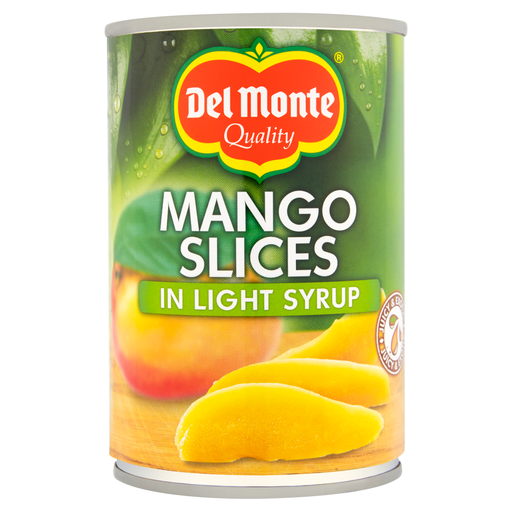
This 425g mango tin is packed in light syrup, not juice, so it does not follow a juice-first choice. If you are considering mango, compare its drained-fruit energy and sugars with the equivalent values for other products and plan what to do with any leftovers.
Yes. The NHS says 80g of fresh, canned or frozen fruit or vegetables counts as one portion. A whole tin is not necessarily one portion, so check how much fruit you intend to serve.
No single packing medium tells you everything about a tin's nutrition. An NHS hospital diet sheet advises choosing canned fruit in juice rather than syrup and draining the juice, but you should still compare energy and sugars per 100g on the products you are considering.
Follow the instructions on that product's label. Asda's pear-halves and M&S grapefruit product information both call for transferring leftovers to a non-metallic container and refrigerating them, but their stated time limits differ.
Check for a grapefruit warning before making it a regular choice. NHS guidance advises asking a GP or pharmacist about grapefruit and medicines it may affect; do not stop prescribed medicine without advice.