Shoppers choosing fruit in juice
If the packing medium matters to you, the NHS advises choosing canned fruit in natural juice or water with no added sugar or salt. Read the ingredients as well as the front of the tin.


For a cupboard dessert after a Chinese takeaway, choose pineapple in juice if you want a single fruit that is straightforward to portion, or fruit cocktail in juice if you want a mix. Syrup-packed fruit is an option when you specifically want that sweeter packing medium, but it does not match the NHS advice to choose canned fruit in natural juice or water with no added sugar or salt. Check the ingredients, drained weight where shown and storage instructions against the amount you expect to serve.
If the packing medium matters to you, the NHS advises choosing canned fruit in natural juice or water with no added sugar or salt. Read the ingredients as well as the front of the tin.
For one takeaway night or a small household, the amount of fruit and the instructions for anything left over may matter more than the tin’s overall size. Sainsbury’s listings for pineapple show why drained weight and opened-life instructions are worth checking.
Fruit cocktail offers several fruits in one tin. Check the particular mix and any colourings on the ingredients list: ASDA’s Del Monte listing names peaches, pears, pineapple, grapes and coloured cherries.
| Concern | Buying check | Who this matters to |
|---|---|---|
| Packing medium | Read whether the fruit is in natural juice, water, syrup or light syrup, and check the ingredients. | If I want fruit packed without added sugar for dessert, the liquid matters as much as the fruit. About 36% of consumers put the packing medium first. |
| Fruit type and shape | Choose pieces, slices or a fruit mix to suit how you plan to serve it; check a cocktail’s ingredients for the exact mix. | When I’m putting fruit into a shared dessert bowl, I want a shape and mix that fit the serving plan. Roughly 29% of consumers make fruit format their primary concern. |
| Usable fruit quantity | Compare tin weight with drained weight where it is stated: liquid is included in the tin weight. | With several people to serve, I need to know how much fruit will reach the bowl, not just the weight of the unopened tin. About 21% of consumers prioritise usable fruit quantity. |
| Leftover storage | Read the tin’s after-opening instructions and choose a size that fits your plans for leftovers. | If we will eat only part of a tin, I need somewhere to refrigerate the rest and time to use it. Approximately 14% of consumers put opened-tin storage first. |
They are different packing media. The NHS advises choosing canned fruit in natural juice or water with no added sugar or salt.
Check both the packing-medium description and the ingredients; choose syrup when its sweeter profile is what you want.
Liquid contributes to the stated tin weight. Sainsbury’s lists a 435g Del Monte pineapple-chunks tin with 260g of drained fruit.
Use drained weight, when shown, to work out whether the fruit quantity fits the number of servings you have in mind.
Opened-life instructions vary by product. Sainsbury’s pineapple listings call for refrigeration after opening and give use-within periods of three days or three to four days.
Follow your tin’s label, transferring and covering leftover fruit as instructed before refrigerating it.
Health Well’s tinned-food advice warns that a deep dent may conceal damage to the seal and advises against food from a visibly bulging can.
Check tins when buying and before opening them; do not use a visibly bulging tin.
Sainsbury’s lists pineapple chunks in juice, while ASDA lists a fruit cocktail in juice.
Tesco’s tinned-fruit catalogue lists Princes options including pineapple, mandarins, peaches and fruit cocktail.
Tesco’s online tinned-fruit category includes own-label pineapple in juice and mandarin segments alongside branded products.
Sainsbury’s lists own-label pineapple pieces in juice as well as branded tinned fruit.
ASDA’s online listings include Del Monte fruit cocktail in juice.
The M&S tinned-fruit category lists rhubarb chunks and grapefruit segments as alternatives to pineapple or fruit cocktail.
These tins cover pineapple, pear and peach options in juice, plus sliced mango in light syrup for a different dessert preference. Choose by fruit shape and packing medium, then check the individual tin if you need to plan portions or leftovers.
 Image unavailable
Consider this 435g tin when you want pineapple slices to serve as part of a dessert. Compare its drained quantity with the portions you need, and follow the tin’s instructions for any fruit left after opening.
 Image unavailable
The chunk format suits a plan to put pineapple pieces into a dessert bowl or recipe. This is a 432g tin; check its drained weight on the tin when deciding how many portions it will provide.
 Image unavailable
Choose pear halves if you want a single-fruit dessert other than pineapple. The tin is labelled 415g; check its drained weight for portion planning and its instructions if you expect leftovers.
 Image unavailable
Peach halves offer another single-fruit choice for dessert, in a 415g tin. If you will serve only part of it, check the tin’s after-opening instructions before planning when to use the rest.
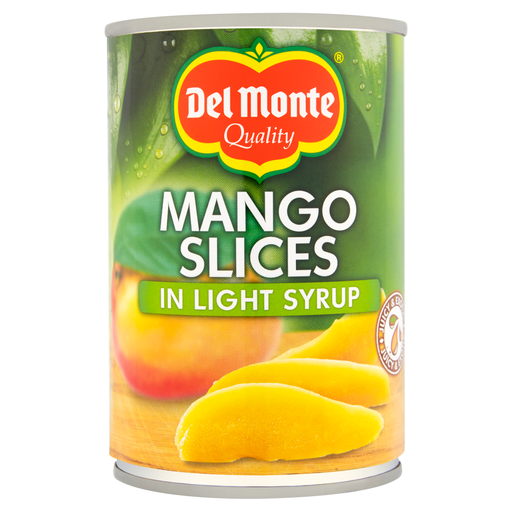 Image unavailable
This 425g tin suits a dessert plan that specifically calls for mango slices in light syrup. Light syrup is not the same packing medium as juice or water, so read the ingredients and nutrition label before choosing it.
Choose natural juice or water if avoiding added sugar in the packing medium is your priority; that is the NHS advice for canned fruit. Syrup and light syrup are different options, so check the ingredients rather than assuming the wording means fruit in juice.
Yes. The NHS says 80g of fresh, canned or frozen fruit and vegetables counts as one portion, and advises choosing canned fruit in natural juice or water with no added sugar or salt.
Follow that tin’s storage instructions. Sainsbury’s pineapple listings instruct shoppers to transfer leftovers to a non-metallic container and refrigerate them, with use-within periods of three days or three to four days depending on the product. Food Standards Scotland also advises checking the label for storage requirements after opening.
Check the extent and position of the damage. Health Well warns that a deep dent may hide a break in the seal and advises against eating food from a visibly bulging can; do not use a tin with those signs of damage.
Check the fruit and packing medium in the ingredients, the quantity you can serve and the after-opening instructions. UK government guidance requires mandatory information on prepacked-food labels; use the label on the particular tin you buy rather than assuming that similarly named products contain the same mix.