People serving a shared dessert
If several diners want fruit after a takeaway, the drained weight helps you judge how much of a tin is fruit rather than packing liquid.


For dessert after a Chinese takeaway, a 410–420g fruit cocktail suits a group that wants mixed fruit, while a smaller tin makes more sense if opened fruit is likely to go unused. Check the drained weight to judge how much fruit you will serve, and read the exact ingredients and nutrition panel if the choice between juice and syrup matters to you.
If several diners want fruit after a takeaway, the drained weight helps you judge how much of a tin is fruit rather than packing liquid.
If the packing medium matters to you, compare the ingredients and sugars per 100g on the particular tins you are considering. Princes publishes different figures for its juice-packed and light-syrup fruit cocktails.
For one or two portions, a smaller tin may be easier to finish. Check the opened-product storage instructions before choosing a larger format.
Start with the number of portions you need, then decide whether the fruit mix and packing medium suit the dessert. The groups below distinguish consumers by the need they would put first.
| Concern | What to check | Who this matters to |
|---|---|---|
| Fruit for a group | Check drained weight as well as total can weight, and choose fruit the group will eat. | When several people share dessert, I want to know how much fruit is available once the liquid is left behind. About 36% of consumers put the amount of drained fruit for a shared dessert first. |
| Juice or syrup | Read the ingredients and sugars per 100g on the exact product; figures for one fruit cocktail do not describe every tin. | If I am choosing between juice and syrup, the packing liquid and the label figures matter more to me than the can size. For about 29% of consumers, that label-level choice is the primary concern. |
| Leftovers | Match the can to the portions needed and check its instructions for storing opened fruit. | For a small dessert, I would rather open an amount I can use than have fruit left in the fridge without a plan. Avoiding opened-can waste comes first for about 21% of consumers. |
| Fruit type | Choose a mixed cocktail for variety or a named fruit when diners want a particular type. | If the diners specifically want peaches or pineapple, I need that fruit rather than a variable mix. Around 14% of consumers place fruit type ahead of the other considerations. |
Princes lists peach, pear, pineapple, grapes and cherries in variable proportions in its fruit cocktail with juice. Its 410g juice-packed cocktail lists 9.0g sugars per 100g; its 410g light-syrup cocktail lists 15.0g per 100g. Those are figures for the named Princes products, not for all fruit in juice or syrup.
Princes lists different ingredients and sugars per 100g for its 410g fruit cocktails in juice and in light syrup. The figures cannot be applied to another brand or variant.
Read the ingredients and nutrition panel on the exact tin you intend to serve.
A larger tin can leave fruit to store after dessert. M&S instructs shoppers to transfer its opened grapefruit segments to a non-metallic container, refrigerate them and eat them within two days.
Choose a size that fits the group, or check the selected product’s storage instructions and plan when you will use any remainder.
Fruit left unused after opening can become food waste.
Princes lists its fruit cocktail with juice in 220g and 410g sizes, giving smaller and larger formats of the same named product.
Tesco’s own-brand Peach Slices In Juice 410g is a single-fruit option for diners who want peaches rather than fruit cocktail.
The Del Monte products in the Tesco listings include 415g fruit cocktail and peach slices in juice.
M&S lists grapefruit segments and rhubarb chunks for shoppers seeking those fruits instead of the peach or fruit-cocktail formats discussed here.
These tins cover mixed fruit and individual fruits in juice or light syrup for a takeaway-night dessert. Choose by the fruit and portion format you need, then check the selected tin’s drained weight and label.
 No image available
Consider this mixed-fruit tin when several diners want variety after the takeaway. Its product description identifies peaches, pears, pineapple, grapes and cherries packed in clarified pineapple juice.
The 415g figure is the can size; check the drained weight on the tin to plan the amount of fruit to serve.
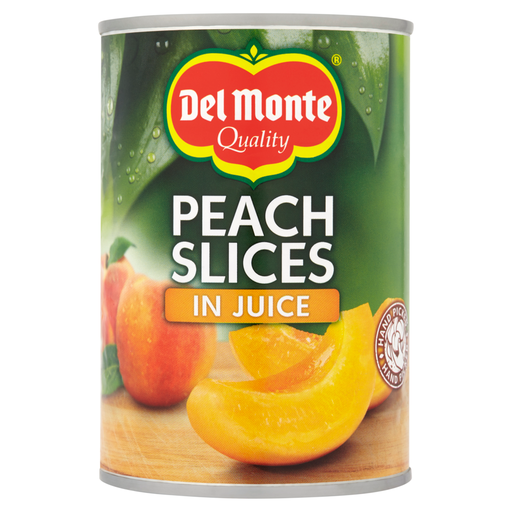 No image available
Choose peach slices if the diners want one predictable fruit rather than a cocktail. This 415g product is described as peach slices packed in clarified pineapple juice.
Check its drained weight when deciding how many tins will provide the portions you need.
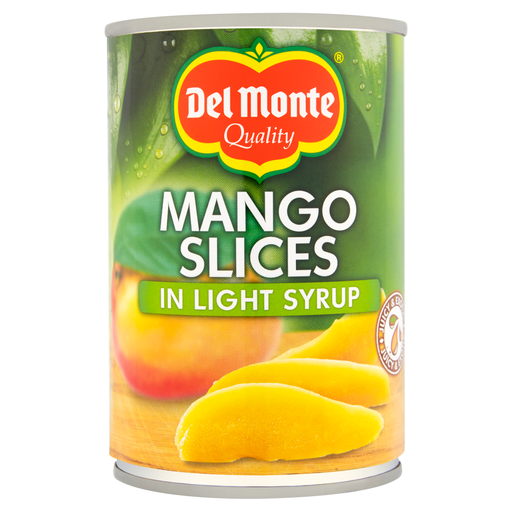 No image available
For diners who specifically want mango, this tin contains slices in light syrup. The 425g can has a stated drained weight of 230g.
Its product information lists 10g sugars per 100g drained. Keep that drained-weight basis in mind when reading or comparing nutrition panels.
 No image available
This smaller peach tin is worth considering when a 415g can would leave too much opened fruit. The product description identifies peach slices in grape juice and describes the 220g tin as two servings, so a solo diner should still plan for a possible remainder.
Its instructions say to refrigerate opened fruit in a non-metallic container and consume it within two days. Check the drained weight for the amount of fruit in each serving.
 No image available
Choose this named-fruit option when the dessert calls for pineapple rather than a fruit mix. The product is pineapple chunks in juice, and its description gives two servings for the 432g pack.
Check the drained weight if you need to judge how much pineapple those servings contain. The product information gives a two-day refrigerated storage period for opened contents.
Look for the drained weight as well as the total can weight: drained weight describes the fruit after the packing liquid is removed. That distinction matters when planning portions from tins of different sizes.
Do not assume so for every product; compare the exact nutrition panels on the same basis. Princes lists 9.0g sugars per 100g for its 410g fruit cocktail with juice and 15.0g per 100g for its 410g fruit cocktail in light syrup. The juice version contains grape juice from concentrate.
Follow the instructions for the particular product. For its grapefruit segments, M&S says to transfer opened fruit to a non-metallic container, refrigerate it and eat it within two days; other tins may give different instructions.
No. GOV.UK guidance describes a best-before date as relating to quality rather than safety. Check the date marking and storage instructions on the tin you have.