Families planning shared meals
For breakfasts, desserts or cooking that serve several people, the useful comparison is how much fruit a tin provides, not its total weight with liquid.


Choose larger tins when several people will share the fruit or you have a plan for what remains after opening; choose small multipacks when separate portions matter more. For everyday snacks, fruit in juice may suit a preference to avoid syrup, while syrup can fit a recipe that calls for a sweeter liquid. Check the exact tin’s drained weight and after-opening instructions before stocking up.
For breakfasts, desserts or cooking that serve several people, the useful comparison is how much fruit a tin provides, not its total weight with liquid.
Shoppers who prefer fruit packed in juice rather than syrup need to check the exact variant. NHS guidance suggests tinned fruit in natural juice or water.
Small multipacks can suit lunchboxes or snacks eaten at different times, when opening one shared tin would leave fruit to store.
Start with how the household will use each opened container, then compare the fruit, packing liquid and usable quantity on the exact product.
| Concern | What to check | Who this matters to |
|---|---|---|
| Usable fruit quantity | Compare drained weight where stated, as well as net weight; consider how much fruit the family will use after opening. | When I’m serving several people, I want enough fruit for the planned meals without relying on the liquid’s weight to judge quantity. About 36% of consumers put usable fruit quantity first. |
| Juice or syrup | Read the packing-liquid description, ingredients and sugars information on the exact tin. | For everyday snacks, I would choose the packing liquid deliberately rather than assume every tin of the same fruit is alike. About 29% of consumers primarily want to distinguish juice from syrup. |
| Separate portions | Check the number and size of containers, and the storage instructions for any fruit left after opening. | If family members eat at different times or take lunchboxes, individual containers may be more practical than one opened tin. About 21% of consumers put separate portions first. |
| Fruit for recipes | Match the fruit type, cut and packing liquid to the intended dish. | When I’m buying fruit for a particular dessert or topping, the right pieces and liquid matter more than choosing a tin by size alone. About 14% of consumers primarily need a recipe-specific format. |
Net weight includes the packing liquid, so tins of similar size may contain different amounts of fruit to serve.
Check drained weight when it appears on the tin or product details.
They are different packing liquids. NHS healthier-swap guidance suggests tinned fruit in juice rather than syrup.
If avoiding syrup is your preference, read the exact variant name, ingredients and nutrition label.
Separate containers are useful for lunchboxes or snacks at different times, but may add little convenience when everyone shares fruit at one meal.
Choose the container format around the planned servings and check how leftovers from a larger tin must be stored.
Its listed tinned-fruit range includes peaches, fruit cocktail, pears and pineapple in juice, alongside syrup variants.
UK grocery listings include Princes fruit cocktail and pineapple products in standard tin sizes.
Tesco Groceries lists own-label four-packs of fruit portions as well as standard tinned-fruit formats.
Sainsbury's lists own-label peaches, apricots and pears in juice among its family-size fruit tins.
The M&S tinned-fruit listing includes Rhubarb Chunks 560g and Grapefruit Segments 540g.
These selections cover individual family-size tins and six-packs of tins for shared meals or planned recipes, with both juice- and syrup-packed options.
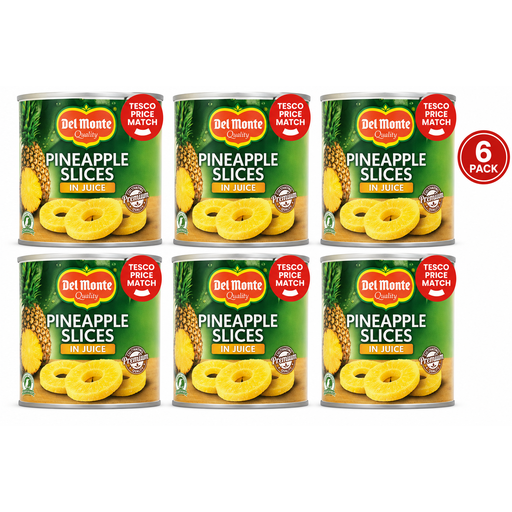 Image unavailable
Six separate 435g tins suit a shop planned around repeated pineapple servings. Check the drained weight and after-opening instructions on the cans when planning how much to use at once.
 Image unavailable
A single 415g tin suits a planned shared serving of peach halves. Check how much fruit the tin yields after draining and follow its instructions for any leftovers.
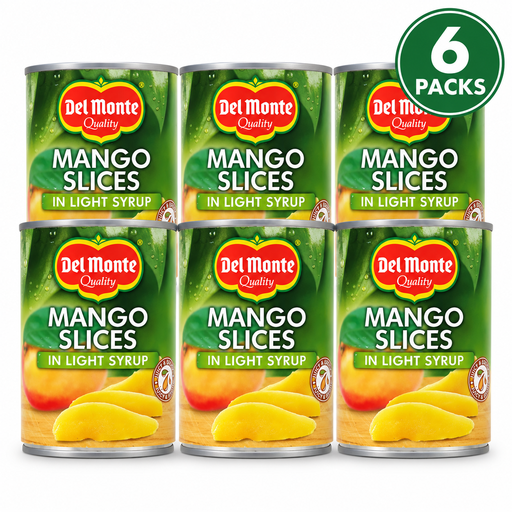 Image unavailable
Six 425g tins suit planned uses for sliced mango when a syrup-packed format is wanted. This is not a juice-packed alternative; check the ingredients and storage instructions on the cans.
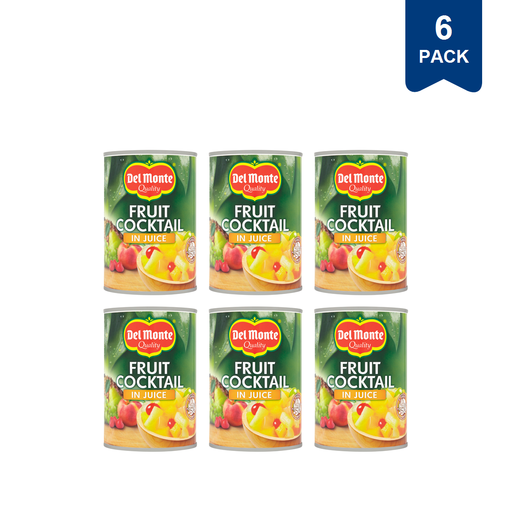 Image unavailable
A six-pack of 415g tins suits repeated servings of mixed fruit without opening every can at once. Check the drained weight on the product label when deciding how many tins a meal needs.
 Image unavailable
This single 432g tin suits a shared serving or a recipe needing pineapple chunks. Check the drained weight for the usable fruit quantity and follow the can’s directions for storing leftovers.
Yes. NHS guidance says tinned fruit can count and advises choosing versions in natural juice or water. Check the exact product label for its ingredients.
Choose by intended use: NHS healthier-swap guidance suggests tinned fruit in juice rather than syrup, while syrup may fit a recipe where its sweeter liquid is wanted. Read the ingredients and nutrition label on the exact tin.
Use drained weight where it is stated, because net weight also includes juice or syrup. For a large family shop, consider how many servings you will use each time a tin is opened.
GOV.UK explains that a best-before date concerns quality rather than safety and identifies tinned foods as products that commonly carry one. Follow the product’s storage instructions, including its separate directions for fruit left after opening.