What matters when choosing?
Start with the dessert recipe: decide whether it needs a mixed fruit cocktail, a particular fruit shape, or the packing liquid. Then compare usable fruit quantity and the instructions for anything left after serving.
| Concern |
What to check |
Who this matters to |
| Usable fruit and format |
Match mixed fruit, slices, halves or pieces to the recipe. Compare net weight with drained weight where the label gives both. |
If I am filling a shared dessert bowl, I need enough usable fruit in shapes that work for the recipe; about 42% of consumers put quantity and format first. |
| Juice or syrup |
Read the packing medium and ingredients, then check whether the recipe uses or drains the liquid. |
When liquid will go into a trifle, I want to choose its flavour and sweetness deliberately; roughly 33% of consumers prioritise the packing medium. |
| Opened-tin storage |
Check the product’s transfer, refrigeration and use-within instructions before opening it. |
If fruit remains after the party, I need to know how to store it rather than rely on the unopened tin date; about 25% of consumers put leftover handling first. |
A fruit cocktail supplies a mix in one tin, but separate peach, pineapple or other single-fruit tins let you choose the pieces and proportions yourself. For a trifle that uses syrup, Princes’ recipe is one concrete example: it calls for two 410g cans of its fruit cocktail in light syrup and uses the liquid. That quantity belongs to that recipe, not every shared dessert.
Joybuy products for shared desserts
These tins cover a mixed fruit cocktail in juice and single-fruit peach or pineapple formats. Choose by the fruit shape and packing medium your shared dessert calls for, then check usable quantity against the recipe.
 No image available
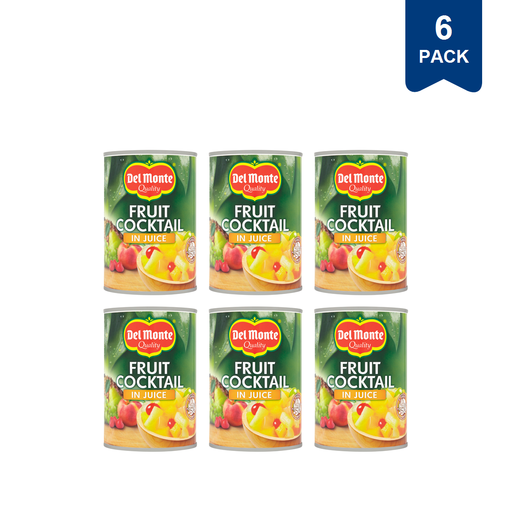
Del Monte Fruit Cocktail in Juice 415g, 6-pack
Consider this mixed-fruit option when one shared dessert needs fruit cocktail packed in juice.
The pack contains six 415g tins. Check the drained weight on the tins when calculating how much fruit the recipe will use, and follow their instructions for leftovers.
View on Joybuy
 No image available
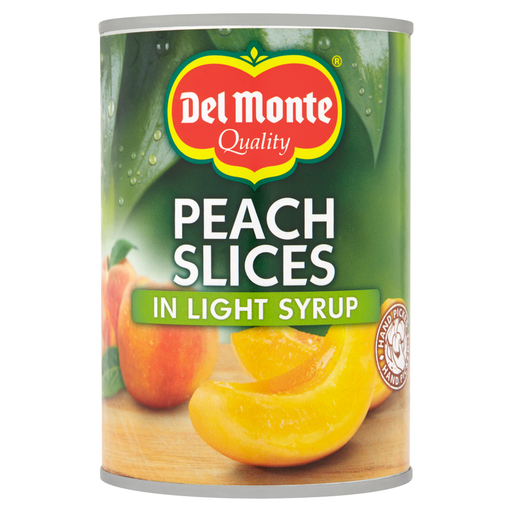
Del Monte Peach Slices in Light Syrup 420g
Choose peach slices rather than a mixed cocktail if the dessert calls for that fruit and shape.
This is a 420g tin in light syrup. Check how much drained fruit the recipe needs and whether its liquid will be used.
View on Joybuy
 No image available
Del Monte Peach Halves in Juice 415g
Peach halves in juice suit a dessert that calls for this single fruit and can accommodate halves rather than slices.
The tin is labelled 415g. Check its drained weight against the recipe and its label for instructions after opening.
View on Joybuy
 No image available
Princes Pineapple Chunks with Juice 432g
Use this single-fruit format if the shared dessert calls for pineapple chunks rather than a fruit cocktail.
The 432g tin is packed with juice. Check the drained weight for quantity planning and the tin’s instructions for storing any leftovers.
View on Joybuy
 No image available
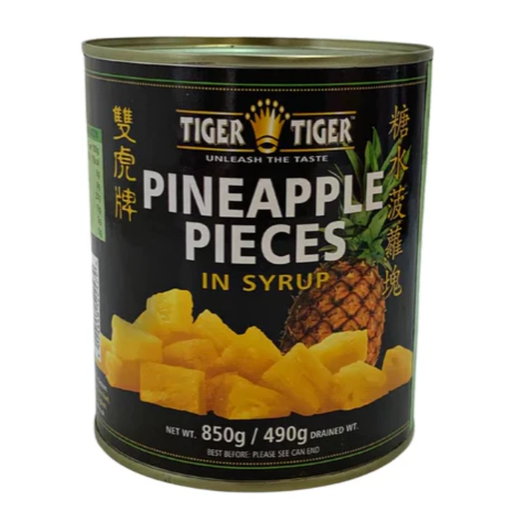
Tiger Tiger Canned Pineapple Pieces 830g
Consider pineapple pieces when the dessert needs that fruit instead of a mixed cocktail.
The tin is labelled 830g. Check its packing medium and drained weight before deciding whether it fits the recipe, and follow its storage label once opened.
View on Joybuy
Common questions
Should I use fruit in juice or light syrup for a trifle?
Use juice when you want a mixed-fruit base without syrup; use light syrup if your recipe calls for that liquid. Princes’ fruit-cocktail trifle recipe reserves the syrup for the sponge, so check whether your own recipe does the same before draining the tin.
How do I work out how many tins a sharing tub needs?
Start with the recipe’s required quantity of fruit, then compare it with the tins’ drained weights if the liquid will be discarded. If the recipe uses both fruit and liquid, check its stated tin size and method rather than calculating from guest count alone.
How should I store tinned fruit left after opening?
Follow the instructions on the specific tin. Asda’s listing for Del Monte Fruit Cocktail in Juice 415g calls for unused fruit to be transferred to a suitable non-metallic container, covered, refrigerated and used within 3–4 days. GOV.UK says that when packaging instructs refrigeration after opening, the food should be kept at 5°C or below.
Does the best-before date tell me how long an opened tin will last?
No. GOV.UK explains that a best-before date concerns quality; after opening, use the product’s storage and use-within instructions instead of treating its unopened date as an open-life period.


