Two-person desk-lunch sharers
A larger tin can work when two people plan to eat the fruit at the same sitting. Check its drained weight to judge the fruit available to share, and read the storage directions in case anything remains.


Choose a sharing tin if the people eating lunch can finish it together, or if you can refrigerate any remainder as the pack directs. For a solo lunch without suitable storage, a smaller tin or individual fruit pot avoids leaving an opened sharing tin. Compare drained weight, serving guidance and packing liquid before deciding how much fruit the pack will provide.
A larger tin can work when two people plan to eat the fruit at the same sitting. Check its drained weight to judge the fruit available to share, and read the storage directions in case anything remains.
If opened-tin storage is impractical, a smaller can or an individual fruit pot may fit lunch better. Tesco Groceries lists pre-portioned fruit-in-juice pots as an alternative to a sharing tin.
If packing liquid and ingredients matter to you, check whether the fruit is in juice, water or syrup. Compare sugars on the same per-100g basis rather than relying on the description on the front of the pack.
For a quick desk lunch, establish how the fruit will be served and whether any opened pack can be stored as directed. Then check the amount of fruit and its packing liquid.
| Concern | What to check | Who this matters to |
|---|---|---|
| Sharing and leftovers | Check the stated servings and after-opening storage directions. Plan how to finish or refrigerate any remainder. | If two people are sharing at lunch, I want a portion that works for both without leaving fruit I cannot store. About 36% of consumers put sharing and leftover handling first. |
| Packing liquid and ingredients | Read the ingredients and compare sugars per 100g on the same stated basis; light syrup does not mean sugar-free. | For a regular desk lunch, I want to know whether the fruit comes in juice, water or syrup before choosing. Roughly 29% of consumers make the packing liquid and ingredients their primary concern. |
| Serving at a desk | Compare individual pot sizes with smaller tins and consider the utensils and space available for serving. | When I eat alone at a desk, a portion I can open and serve without dividing a larger tin matters most. Around 21% of consumers prioritise that convenience. |
| Fruit after draining | Compare drained weight, where stated, rather than treating the full net weight as fruit. | If much of a tin is liquid, I want to know how much fruit will reach the bowl. About 14% of consumers put the amount of fruit after draining first. |
Net weight includes the packing liquid. Tesco Groceries lists its Tropical Fruit Salad tin at 425g net and 270g drained, so those figures answer different portion questions.
Use drained weight and the pack’s serving guidance when planning a shared dessert.
Light syrup is not a sugar-free description, while fruit in juice can also contain sugars. The ingredients and nutrition panel make the distinction clearer than the front label alone.
For a regular canned-fruit choice, NHS guidance favours natural juice or water with no added sugar or salt. Compare the ingredients and sugars per 100g for the products you are considering.
Directions differ by product. Tesco Groceries instructs buyers of its Tropical Fruit Salad to transfer unused contents to a non-metallic container, cover, refrigerate and consume them within two days.
If you cannot finish the tin together or follow its storage directions, choose a smaller format for that lunch.
Mixed-fruit products can contain different fruits and other ingredients. A product title does not replace the current ingredients, allergen and storage information.
Read the label for the particular tin, especially if you need to avoid an ingredient or want a specific fruit mix.
Tesco Groceries lists both a larger Tropical Fruit Salad tin and individual fruit-in-juice pot formats, making the range useful for comparing a shared lunch with separate portions.
Princes lists Fruit Cocktail with Juice in 410g and 220g sizes, offering two pack sizes for a mixed-fruit lunch.
Sainsbury's lists Del Monte fruit cocktail, peaches, pears and pineapple formats, with juice or light syrup depending on the product.
Sainsbury's lists own-label tinned fruits in several sizes, including peach slices in fruit juice in 411g and 213g formats.
Marks & Spencer lists tinned rhubarb chunks and grapefruit segments for shoppers seeking those particular fruits.
These tins offer fruit for a planned shared desk lunch, including juice-packed choices and one mango option in light syrup. Check the drained quantity where stated and make sure you can follow the relevant after-opening directions.
 Image unavailable
For a planned share, the 435g tin states 260g drained weight, so you can judge the fruit portion separately from the juice. The product information lists pineapple and pineapple juice and reports 12g sugars per 100g. Transfer leftovers to a non-metallic container, seal and refrigerate them, and follow the stated three-to-four-day use period.
 Image unavailable
If peach halves suit the shared dessert, this 415g tin states 235g drained weight. Its product information identifies clarified pineapple juice as part of the packing liquid. Refrigerate unused portions and follow the pack’s stated use period.
 Image unavailable
The 432g tin is described as two approximately 216g servings, which offers a stated split for two people. Those serving figures are not a drained fruit weight: check the pack if the amount of pineapple after draining decides your purchase. Transfer any remainder to a sealed container, refrigerate it and consume it within the stated two days.
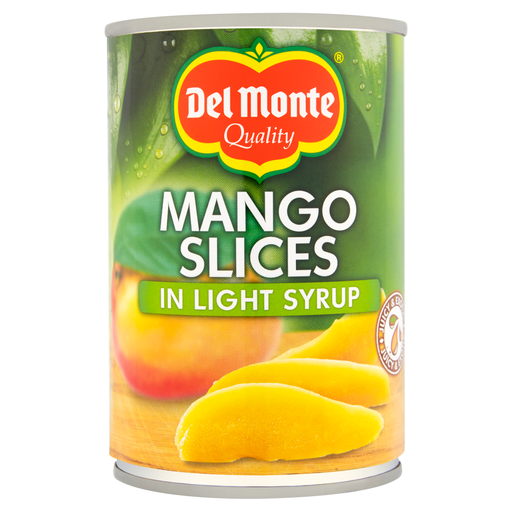 Image unavailable
Consider this 425g tin when mango in light syrup is the dessert you want, rather than fruit packed in juice. It states 230g drained weight and lists sugar among its ingredients; the reported 10g sugars per 100g is on a drained basis, so check the basis before comparing it with another nutrition panel. Transfer leftovers with their syrup to an airtight non-metallic container, refrigerate and follow the stated three-to-four-day use period.
 Image unavailable
This 415g mixed-fruit tin lists peaches, pears, pineapple, grapes and cherries in clarified pineapple juice. Check its current label for the drained amount if the fruit portion matters to your sharing plan, and for the listed cherry colouring E127 if that ingredient matters to you. Transfer leftovers to a covered non-metallic container, refrigerate and follow the stated three-to-four-day use period.
Yes. The NHS states that 80g of fresh, canned or frozen fruit and vegetables counts as one portion of 5 A Day. Use the particular pack’s serving and drained-weight information when working out what you will eat.
Follow the product’s after-opening directions rather than treating the unopened-tin storage advice as applicable. Tesco Groceries directs buyers of its Tropical Fruit Salad to transfer unused fruit to a covered non-metallic container, refrigerate it and consume it within two days. Where a label requires refrigeration after opening, GOV.UK advises keeping the food at 5°C or below.
For a regular canned-fruit choice, NHS guidance favours fruit in natural juice or water with no added sugar or salt. If you want fruit in light syrup, check its ingredients and sugars per 100g; light syrup does not mean sugar-free, and juice-packed fruit can also contain sugars.
Compare the tin’s drained fruit weight and serving guidance with the number and size of the pots, then consider what happens to any opened-tin remainder. Pots provide separate portions; a tin needs a serving plan and, if unfinished, the storage described on its label.
No. The best-before date concerns the food’s quality before opening; after opening, use the pack’s storage and use-within instructions. If those instructions require refrigeration, GOV.UK advises a temperature of 5°C or below.