Family dessert planners
If fruit will go into a shared pudding, fruit salad or recipe, compare stated servings and drained weight where available. The total tin weight includes packing liquid.


For a shared family dessert, choose a full-size tin or several tins if the stated servings and drained fruit cover the table; portion pots make more sense when separate servings or fewer leftovers matter more. Choose fruit in juice or light syrup to suit the dish, checking the exact ingredients and packing liquid rather than assuming tins of the same fruit are alike.
If fruit will go into a shared pudding, fruit salad or recipe, compare stated servings and drained weight where available. The total tin weight includes packing liquid.
The packing liquid needs to suit the dish. Check the exact ingredients when choosing between fruit in juice and fruit in light syrup, even within the same fruit range.
If an opened tin is unlikely to be finished at dinner, compare its storage instructions with smaller tins or separate portion pots before choosing a format.
Start with the amount of fruit needed at dinner, then match the liquid and cut to the dish and decide what will happen to any leftovers.
| Concern | What to check | Who this matters to |
|---|---|---|
| Enough fruit to share | Compare stated servings and drained weight where given, as well as tin size. | I want enough fruit for the table without counting packing liquid as part of the serving. Enough fruit to share would be the main concern for about 36% of consumers. |
| Packing liquid | Read the ingredients and the ‘of which sugars’ value on the nutrition panel; check whether the dish calls for juice or syrup. | For a dessert or recipe, I want to know what liquid comes with the fruit and whether I will use it. About 29% of consumers would put the packing liquid and ingredients first. |
| Cut and recipe fit | Choose slices, halves or pieces to suit how the fruit will be served; check the liquid too. | If I am mixing a fruit salad or arranging a topping, the shape of the fruit matters to my dish. The cut and recipe fit would lead the choice for about 21% of consumers. |
| Leftovers | Check the pack’s opened-storage instructions and consider separate pots if a large tin would remain unfinished. | I may serve only part of a tin at dinner and need a realistic plan for the rest. Avoiding leftovers would be the primary concern for about 14% of consumers. |
Packing liquid contributes to net weight. Sainsbury’s lists 260g of drained fruit for a 435g Del Monte pineapple tin, so the tin weight alone does not tell you how much fruit will reach the bowl.
Compare drained weights where supplied, then check the stated servings against your plans.
Opened-storage instructions vary by product: Sainsbury’s lists three days for its pineapple chunks, while Asda lists two days for its pineapple slices.
Follow the instructions on the tin you buy. If you are unlikely to use the remainder in time, consider smaller portions.
They bring different liquids to a dessert. Tesco lists peach products in both juice and light syrup, so the fruit name alone does not identify the packing liquid.
Read the exact product label and choose the liquid that suits your recipe.
Multipacks can contain individual portions. Asda lists a Dole pineapple pack of four 113g pots, a different format from one tin intended for a shared bowl.
Check the size of each unit, not just the pack count, before buying for dinner.
A reference point for full-size pineapple and peach tins in different packing liquids.
Offers pineapple slices in more than one tin size.
Own-label options include full-size peach tins and smaller fruit portions.
Own-label pineapple chunks offer a full-size fruit-in-juice option.
Own-label pineapple slices provide another full-size fruit-in-juice format.
A reference for recipe-led fruit choices beyond everyday pineapple and peaches.
These selections include six-can packs for meals on different days, a single peach tin and a larger pineapple tin for cooking or sharing. Match each pack’s fruit, liquid and unit size to the dinner you are planning.
 No image available
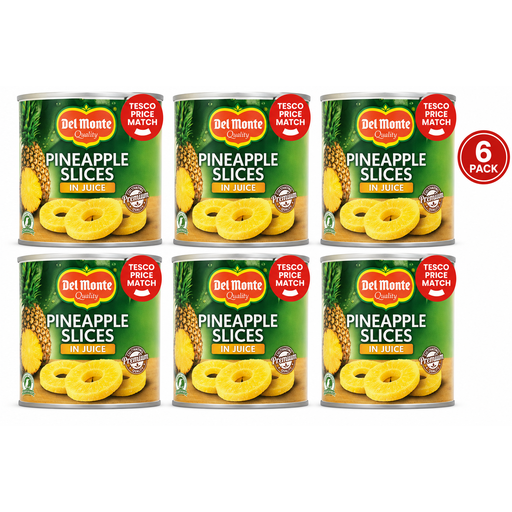
The six-tin format suits plans to serve pineapple at more than one meal, while the slices can be arranged for a shared dessert. Sainsbury’s lists 260g drained fruit for a 435g tin of Del Monte sliced pineapple in juice; use the drained amount rather than the net weight when planning the fruit quantity.
 No image available
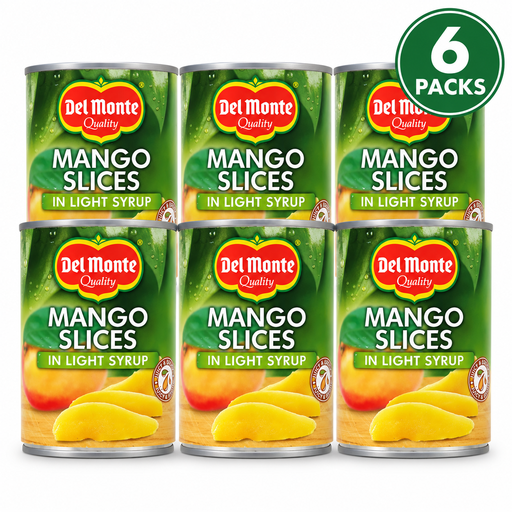
Consider this six-tin pack when mango in light syrup suits desserts planned for more than one meal. Each tin is labelled 425g; check the drained weight and ingredients on the pack when deciding how much fruit and syrup the recipe needs.
 No image available
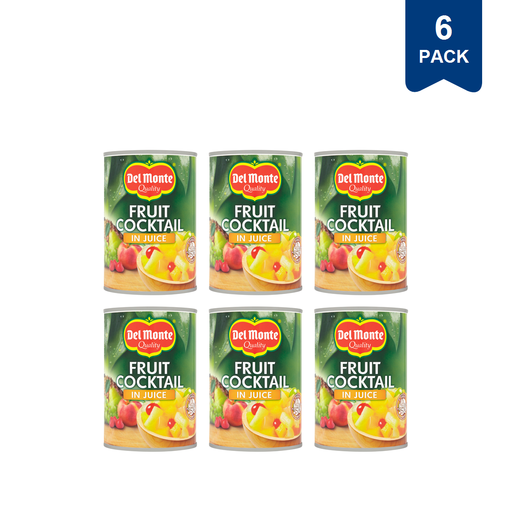
The six-tin format offers mixed fruit in juice for desserts on different days. Each tin is labelled 415g; check the drained weight and fruit mix on the pack if the quantity or composition matters to your shared dish.
 No image available
This single tin suits a dessert that calls for peach halves rather than mixed fruit or a multi-tin pack. Check its drained weight and serving guidance against the number of people at dinner, and follow the pack’s instructions for any leftovers.
 No image available
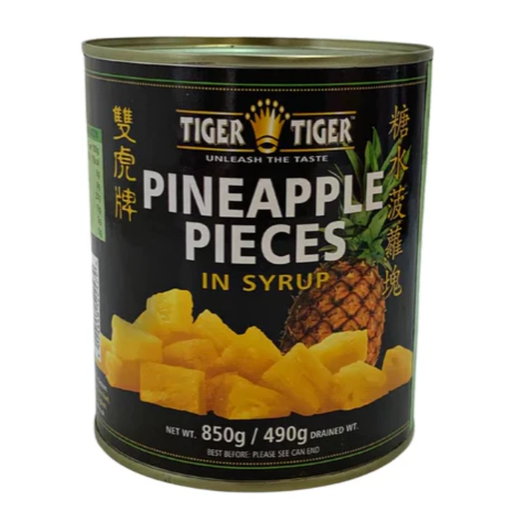
This larger single tin may suit a pineapple recipe or shared dessert that needs pieces rather than slices. The stated 830g is the tin weight, so check the drained weight, packing liquid and serving guidance before deciding whether one tin covers the meal.
Check the particular tin’s serving guidance and drained weight against your household and the role fruit plays in the meal. Sainsbury’s labels its 425g pineapple chunks as three servings, while Asda uses one-third of a 432g pineapple-slice tin as its serving basis; those figures do not make every similarly sized tin equivalent.
Choose the liquid that suits the dish, then read the ingredients and nutrition panel for the exact tin. Tesco lists peaches in both juice and light syrup, so the fruit name alone is not enough to tell you what liquid you are buying.
Follow that product’s storage directions rather than using one time limit for all tins. Sainsbury’s instructs shoppers to transfer its pineapple chunks to a non-metallic container, refrigerate them and use them within three days; Asda gives a two-day limit for its pineapple slices.
Check the exact pack size, packing liquid, ingredients, nutrition panel and storage instructions, then read the physical label when the product arrives if a detail is important to your meal. Retailer product information can change, and a multipack may contain individual pots rather than several full-size tins.