Value-focused cupboard stockers
If you buy several tins at once, look beyond the size printed on the front: fruit type, packing liquid and the amount of fruit after draining all affect how useful each tin will be.


For a weekly shop, choose tinned fruit you can use in the portions you need, then compare pack and drained weights between similar products. If the packing liquid matters to you, the NHS advises choosing canned fruit in natural juice or water with no added sugar or salt; syrup-packed fruit remains a separate choice for a planned dish. Check the exact tin’s ingredients and instructions for using it after opening.
If you buy several tins at once, look beyond the size printed on the front: fruit type, packing liquid and the amount of fruit after draining all affect how useful each tin will be.
If you prefer fruit packed in juice or water rather than syrup, check the ingredients and nutrition panel on the exact tin. Products described as fruit in juice can still use different juices.
If the fruit is for cereal, yoghurt, fruit salad or baking, choose its type and cut for that dish. Match the can size to your planned portions and read the instructions for leftovers.
Start with the fruit and portions you expect to use. Packing liquid, drained weight and storage instructions can then help distinguish tins that look similar on the shelf.
| Concern | What to check | Who this matters to |
|---|---|---|
| Usable cupboard stock | Compare can size and, where stated, drained weight between similar fruits and packing liquids. | If I am stocking several tins, I want to know how much fruit each will provide rather than judge by can size alone. About 36% of consumers would put usable cupboard stock first. |
| Packing liquid and ingredients | Read the exact variant’s ingredients and nutrition information per 100g; distinguish juice or water from syrup. | When choosing between juice and syrup, I want the packing liquid and ingredients to match my preference. For about 29% of consumers, that would be the primary concern. |
| Portions and leftovers | Check the stated servings and the tin’s refrigeration and use-within instructions after opening. | If my household will not finish a can at once, I need a size that fits our portions and a plan for leftovers. That need would come first for about 21% of consumers. |
| Planned dish | Choose the fruit type and cut for the intended breakfast, dessert or baking use. | For a particular recipe, I need fruit in a form I can actually use, even if another tin is larger. About 14% of consumers would make that their first consideration. |
Net weight includes the packing liquid; a stated drained weight describes the fruit after draining. The distinction matters when you need a particular amount of fruit.
Compare the weight basis, fruit type and packing liquid before treating two tins as equivalent.
Princes lists grape juice made from concentrate and water for its peach slices with juice, while Sainsbury’s lists refined grape juice from concentrate for its peach slices. Ingredients are specific to the variant.
Read the ingredient list and per-100g nutrition panel on the tin you intend to buy.
Sainsbury’s instructs shoppers to refrigerate its peach slices in a non-metallic container and use them within one day. M&S gives its grapefruit segments two days under its stated storage instructions.
Check the instruction on your chosen tin and match its size to the portions you expect to serve.
Fruit left unused beyond the product’s use-within instruction can become food waste.
GOV.UK distinguishes best-before dates, which relate to quality, from use-by dates, which relate to safety. Tinned foods commonly carry best-before dates.
Read the date type and storage instructions on the actual tin, including any separate instructions for after opening.
Tesco’s own-label tinned-fruit listings offer a supermarket reference point across several fruits, can sizes and packing liquids.
Princes has canned fruit intended for cupboard use, including peaches, pineapple and other fruit types.
Sainsbury’s own-label Peach Slices in Fruit Juice 411g provide a juice-packed peach option to assess against household portions.
Del Monte appears in Tesco’s tinned-fruit listing, including peach slices and fruit cocktail in light syrup.
M&S lists tinned grapefruit segments in juice and rhubarb chunks that may suit particular dishes.
These tins include fruit in juice and fruit in syrup. Choose by fruit type, packing liquid and the portions you intend to use; check the product label for any further weight and storage details relevant to your shop.
 No image available
Consider these peach halves when you want that cut of fruit for a planned dish. The 415g tin is described as packed in juice; check its drained weight if the amount of fruit matters to your recipe.
 No image available
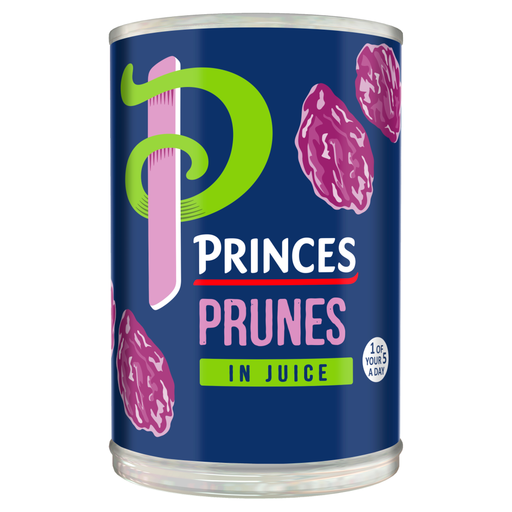
Choose this 410g tin if prunes packed in juice suit your planned portions. The product information warns that it contains plum stones, so check the fruit while eating.
 No image available
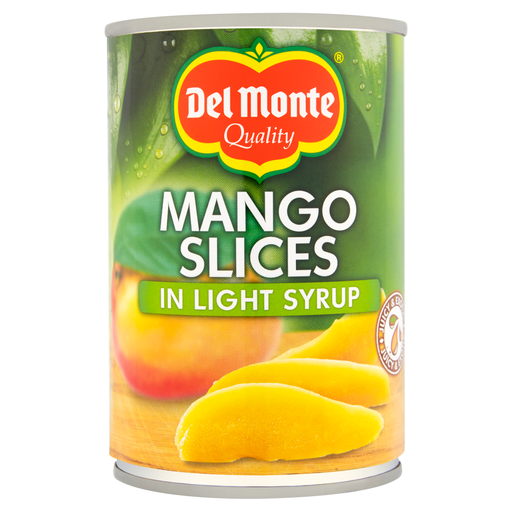
Consider sliced mango when its form suits a planned breakfast or dessert. This 425g tin is packed in light syrup; its ingredient information includes sugar, so it is a different choice from fruit packed in juice or water without added sugar.
 No image available
If pineapple chunks fit your planned dish, this 432g tin offers a juice-packed option. Check the can’s serving and after-opening instructions when deciding whether its size suits your household.
 No image available
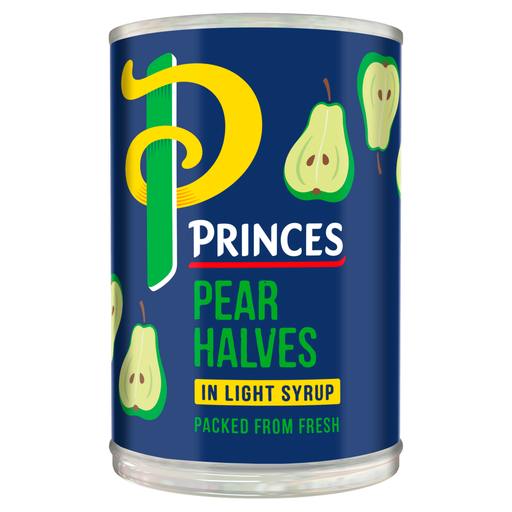
Choose pear halves if that fruit and cut suit your planned use. This 410g tin is packed in syrup; check its ingredients and drained weight on the label when comparing it with another pear tin.
Yes. The NHS says 80g of canned fruit or vegetables counts as one portion of 5 A Day. It advises choosing canned fruit in natural juice or water with no added sugar or salt.
Choose according to the packing liquid and ingredients you want for that tin. NHS advice favours fruit in natural juice or water with no added sugar or salt, but juice-packed products can differ in their ingredients; syrup may suit a particular planned dish. Read the exact label rather than relying on the front-of-pack description alone.
Follow the storage instruction on the specific tin. For example, Sainsbury’s directs shoppers to transfer its peach slices to a non-metallic container, refrigerate and use within one day; M&S gives its grapefruit segments a two-day instruction after transfer and refrigeration.
GOV.UK says a best-before date relates to quality, whereas a use-by date relates to safety. Check which date appears on your tin and follow its storage instructions, especially the separate directions for opened contents.