For a dessert where the fruit stays visible, start with the cut: pear or peach halves give you a different serving option from slices stirred through a mixture. Choose the packing liquid to suit the dish and your preference for added sugar, then check ingredients, nutrition information and drained weight on the exact tin rather than judging it by size or a premium-sounding description.
Who is choosing tinned fruit?
Dessert hosts who want visible fruit pieces
If the fruit will sit on a plate, in a trifle or beside custard, its shape matters. Del Monte presents pear halves for desserts, while M&S offers grapefruit segments and rhubarb chunks for different flavour and serving roles.
Breakfast and snack shoppers checking added sugar
For fruit with yoghurt or cereal, check the packing liquid and ingredients as well as the nutrition table. The NHS advises choosing tinned fruit in natural juice or water with no added sugar or salt.
Bakers choosing fruit for a recipe
Slices, halves and chunks suit different preparations. Princes describes uses for its canned fruit in baking, while M&S presents its tinned rhubarb as an option for pies and crumbles.
What matters when choosing?
Start with how the fruit will be served, then check whether its cut, packing liquid and usable quantity fit that plan.
| Concern |
What to check |
Who this matters to |
| Presentation and fruit cut |
Look for halves or segments if the pieces will be visible; check the cut before choosing fruit to mix into a dish. |
For a plated dessert, I want fruit that keeps a recognisable shape rather than disappearing into the other ingredients. About 27% of consumers put presentation first. |
| Packing liquid and sweetness |
Read the ingredients and compare nutrition information per 100g on the exact products; juice-packed fruit can still contain sugars. |
When choosing fruit for breakfast or a dessert, I want to know whether sweetness comes with added sugar or suits the recipe. Roughly 33% of consumers make that their primary concern. |
| Recipe fit |
Match the fruit type, cut and liquid to whether it will be baked, warmed, drained or served cold. |
If I am making a crumble or filling, I need fruit that works in that dish, not just fruit that looks appealing in the tin. Around 20% of consumers prioritise recipe fit. |
| Servings and leftovers |
Check drained weight and the pack’s instructions for storing fruit after opening. |
For one breakfast bowl or a small dessert, I want an amount I can use before the opened fruit needs to be eaten. About 20% of consumers put servings and waste first. |
Common buying mistakes
-
Treating light syrup as the same thing as juice
The packing liquids can have different ingredients. ASDA’s listed peach slices in fruit juice contain grape juice from concentrate, while its listed light-syrup peach slices contain water and sugar.
Check the ingredients and nutrition table on the tin you intend to buy. If avoiding added sugar matters, the NHS advises choosing tinned fruit in natural juice or water with no added sugar or salt; syrup may instead suit a recipe that calls for extra sweetness.
-
Comparing tin sizes without checking the fruit quantity
The filled weight includes packing liquid, so it does not tell you how much fruit you can serve. GOV.UK states that solid food packed in liquid must show its drained net weight.
Compare drained weights for similar fruit types and cuts, particularly when planning portions for a dessert.
-
Opening a large tin without a plan for leftovers
Instructions after opening vary by product. The M&S grapefruit example specifies two days after refrigeration, while the ASDA light-syrup peach example specifies three days.
Choose an amount you can use and follow the exact pack’s container, refrigeration and use-within instructions.
Fruit left over after a small serving may go unused if it cannot be eaten within the pack’s stated period.
-
Letting the brand decide the dessert format
Pear halves, grapefruit segments, rhubarb chunks and peach slices have different roles on a plate or in a recipe. A familiar name alone does not tell you which cut you need.
Decide whether the fruit should remain visible, bring a sharp contrast or mix easily into the finished dish, then choose the corresponding format.
Brands to consider
Del Monte
Prepared-fruit options include pears, peaches, pineapple, mandarins, prunes and fruit cocktail.
- Del Monte describes its pear halves in juice for desserts, fruit salads, cocktails and smoothies.
- Check the individual product: fruit cut and packing liquid differ across the range.
Princes
A canned-fruit range covering several familiar fruit types and cuts for cupboard use.
- Princes lists peach slices with juice in 410g and 220g sizes and describes uses for its canned fruit in snacking and baking.
- Range breadth does not mean every product has the same presentation or ingredients; choose by the specific tin.
M&S
Its grapefruit segments in juice and rhubarb chunks in light syrup offer different options for breakfast and desserts.
- M&S presents grapefruit for fruit salad or yoghurt and rhubarb for pies, crumbles or custard.
- The two fruits have different flavour and packing-liquid roles; check which suits the intended dish.
Sainsbury's
Its tinned-fruit category includes own-label fruit in juice alongside other packing liquids and branded products.
- The Sainsbury's category lists peach slices in fruit juice among its examples.
- A category listing does not establish the ingredients or serving suitability of every item; check each product.
Tesco
Its tinned-and-pot-fruit category covers formats including peaches, pears, citrus, prunes and fruit fillings.
- The category makes it possible to consider conventional tins, pots and fillings against different serving plans.
- A format category alone cannot tell you the cut, ingredients or result of an individual product.
ASDA
Its listed peach products provide examples packed in fruit juice and in light syrup.
- The listed fruit-juice peach slices contain peach and grape juice from concentrate; the listed light-syrup version contains peach slices, water and sugar.
- That ingredient difference applies to these peach examples, not to every ASDA tinned-fruit product.
Joybuy tinned-fruit selections
These products offer halves or slices in juice for different serving styles, plus a yellow-peach option in syrup for desserts where added sweetness suits the dish.
 No image available
Del Monte Pear Halves in Juice 415g
Consider pear halves when you want recognisable pieces in a plated dessert or fruit salad. This is a 415g juice-packed tin; check the pack’s drained weight if the amount of fruit you can serve is important.
View on Joybuy
 No image available
Del Monte Peach Halves in Juice 415g
Choose peach halves rather than slices if you want the cut fruit to remain visible when serving dessert. The title identifies a 415g tin packed in juice; check the nutrition label if sugar content is a deciding factor.
View on Joybuy
 No image available
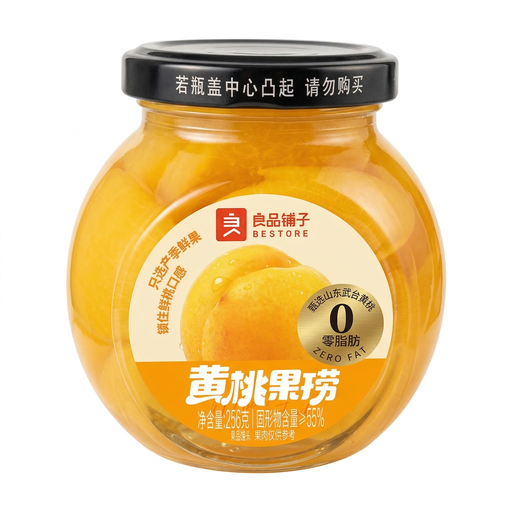
Bestore Canned Yellow Peach in Syrup, 256g Bottle
This yellow peach is an option for a dessert where syrup suits the intended sweetness. It comes in a 256g bottle, not a juice-packed tin; its listed ingredients include sugar, and its instructions say to refrigerate after opening and consume within 24 hours.
View on Joybuy
 No image available
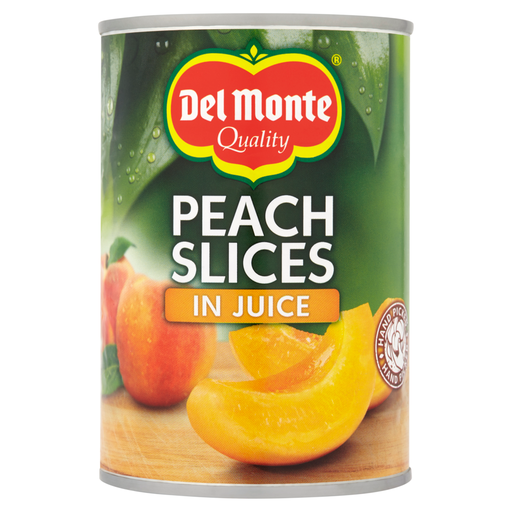
Del Monte Peach Slices in Juice 415g
Peach slices provide a ready-cut option when the fruit will be mixed into or layered in a dessert. This is a 415g juice-packed tin; compare the pack’s ingredients and nutrition information if sweetness matters to your choice.
View on Joybuy
 No image available
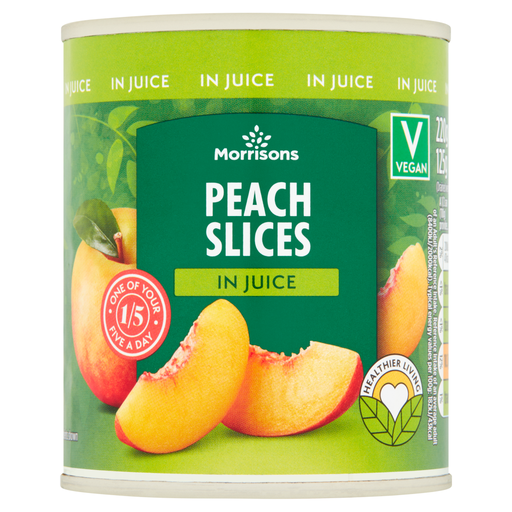
Morrisons Peach Slices in Juice 220g
Consider these slices when a smaller tin suits a breakfast serving or layered dessert. The product is labelled 220g and packed in juice; check the pack for usable fruit quantity, and note its warning that an occasional stone fragment may remain.
View on Joybuy
Questions about tinned fruit
Is fruit in juice always lower in sugars than fruit in syrup?
No: fruit and juice also contain sugars, so compare the nutrition information on the exact products. For avoiding added sugar, the NHS advises choosing tinned fruit in natural juice or water with no added sugar or salt; the ingredient list helps you distinguish that choice from a syrup containing sugar.
Should I use tin weight or drained weight to plan servings?
Use drained weight to judge how much fruit is available once the liquid is removed. GOV.UK states that solid food packed in liquid must show its drained net weight, so check that figure when comparing tins for the same serving plan.
How long can I keep tinned fruit after opening?
Follow the instructions on the specific product rather than assuming one period applies to every tin. The M&S grapefruit example calls for refrigeration in a non-metallic container and use within two days; the ASDA light-syrup peach example specifies a suitable non-metallic container, refrigeration and use within three days.
Does tinned fruit count towards 5 A Day?
Yes, the NHS includes canned fruit in its 5 A Day guidance. It advises choosing tinned fruit in natural juice or water with no added sugar or salt.


