
24/7 Customer Support

Free returns

Same-day & Next-day Delivery

Quality Guaranteed

Unlock Your Welcome Offers: FREE Delivery | Up to 80% OFF | Free 30-day JoyPlus trial
Download the APP
Tinned kidney beans are a convenient UK cupboard staple, but comparing tins only by price can lead to disappointing meals. Differences in bean variety, drained weight, salt content and added ingredients affect how a product performs in chilli, salads, soups and stews.
A useful starting point is to decide whether you need plain kidney beans in water, an organic option or a ready-seasoned product. Then check the label rather than relying on front-of-pack phrases such as “high in protein”, “natural” or “ready to use”.
A tin may contain 400g or 405g, but this includes water or sauce. The drained weight is the amount of beans available for cooking. For example, a 400g tin may provide around 240–255g drained weight, depending on the product.
If you are planning a large batch of kidney beans for chilli, compare drained weight, not just the headline tin size.
Red kidney beans in chilli sauce can save preparation time, but the sauce may include sugar, starch, salt, spices and oil. This is useful for a quick meal, but less suitable if you want to control the flavour or nutrition of a recipe yourself.
Plain tinned kidney beans are more adaptable. You can rinse them and add your own tomato, herbs, stock or spices.
White kidney beans, also called cannellini beans, have a lighter colour and creamy texture. They can work well in salads, pasta dishes and soups, but they are not the same visual or culinary choice as red kidney beans.
Also check whether the product is cooked and ready to use. Dried beans require soaking and thorough cooking, while tinned beans are generally prepared for direct use according to the label.
For a simple everyday option, look for an ingredient list such as red kidney beans and water. Some products also contain salt, sugar, firming agents or acidity regulators. These are not automatically a problem, but they can affect taste and suitability for your recipe.
Organic kidney beans should display appropriate organic certification information on the packaging. For example, products may identify an EU organic control code and state whether the agriculture is EU or non-EU.
Nutrition panels are easier to compare when they use the same basis. Focus on the per 100g drained figures, especially for salt, fibre and protein.
The products supplied in this range show variation. Morrisons Organic Red Kidney Beans in Water lists trace salt per 100g drained, while KTC Red Kidney Beans lists 0.45g. Laila Canned Red Kidney Beans lists 0.8g. Rinsing plain beans under cold water can remove some surface liquid, although it does not turn a product into a salt-free food.
For salads and rice dishes, beans that hold their shape may be preferable. Softer beans can be more suitable for blending, soups or mashed fillings. Plain beans also let you choose the final seasoning.
For a quick chilli, a sauce-based product may reduce the number of ingredients required. However, review the cooking instructions and heat the contents thoroughly before serving.
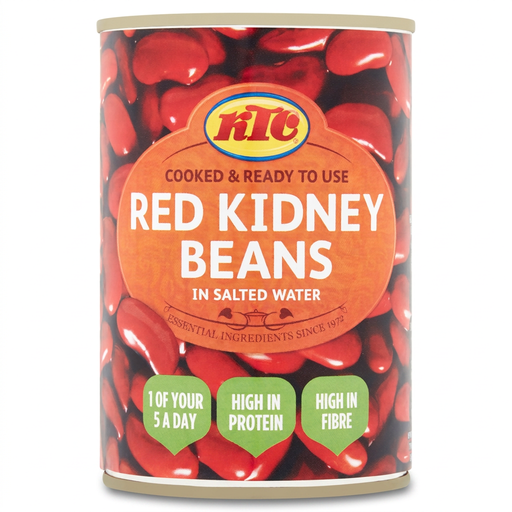
Why This Fits Their Persona: A straightforward 400g option for students, first-time cooks and anyone building an affordable store-cupboard selection.
It is plain rather than pre-seasoned, so you are not paying for a sauce when making your own chilli or stew.
Cooked and ready to use; suitable for vegetarians; lists 4.3g fibre and 4.6g protein per 100g drained.
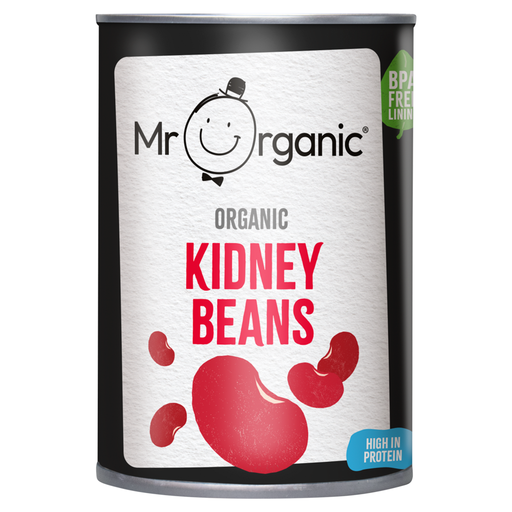
Why This Fits Their Persona: Suits shoppers who prioritise certified organic ingredients and a simple product for plant-based meals.
The ingredients are listed as organic kidney beans and water, avoiding added sugar or salt in the supplied product details.
Organic certification information is provided; 7.8g fibre and 7.9g protein per 100g drained.
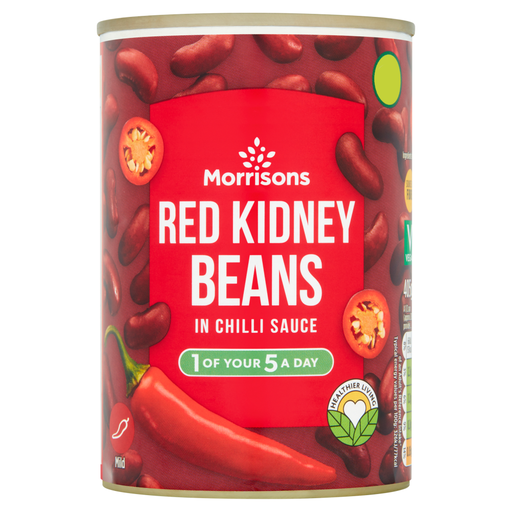
Why This Fits Their Persona: A practical choice for busy households wanting a quick vegetarian or vegan-style chilli component with less preparation.
The product is clearly presented as beans in chilli sauce, so its added sugar, spices and starch are not hidden behind a plain-bean description.
Mild chilli rating; suitable for vegans; half a tin is listed as providing one portion of fruit and vegetables.

Why This Fits Their Persona: Works for cooks who use kidney beans across pasta, salads, rice dishes and homemade chilli rather than one fixed recipe.
It uses water rather than chilli sauce, giving you control over seasoning and avoiding a product that may not suit every dish.
Lists 6.2g fibre and 6.9g protein per 100g drained; the supplied details state that the packaging is fully recyclable.
We have compiled a complete, real-time list of products that fully satisfy these strict selection criteria and UK safety regulations.
For plain tinned beans, drain and rinse well if you prefer to remove some of the liquid in the tin. Add them towards the end of cooking so they warm through without breaking up. Sauce-based products may only need gentle heating.
Once opened, transfer unused beans to a suitable non-metallic container, cover and refrigerate. Follow the label’s storage instruction: the supplied products specify using leftovers within two or three days. Never rely on the tin’s ambient shelf life after opening.
For batch cooking, one 400g tin is often useful in a family chilli, soup or grain bowl, but check the drained weight and portion size before calculating quantities.
Many tinned kidney beans are cooked and ready to use after draining, although heating instructions still apply. Products in sauce should be heated thoroughly, and plain beans can be added directly to a hot recipe. Always follow the instructions on the specific tin.
Rinsing is optional for plain kidney beans in water. It can remove some of the liquid, salt and starch on the surface and may give a cleaner flavour in salads. If you are adding beans to a saucy chilli, draining alone may be sufficient.
Refrigerate unused beans in a non-metallic container and follow the label. The products listed here advise consuming them within two or three days. Before opening, keep unopened tins in a cool, dry place and check the best-before information on the tin.