
24/7 Customer Support

Free returns

Same-day & Next-day Delivery

Quality Guaranteed

Unlock Your Welcome Offers: FREE Delivery | Up to 80% OFF | Free 30-day JoyPlus trial
Download the APP
Tinned luncheon meat can be a useful cupboard staple for sandwiches, fried rice, stir-fries, packed lunches and quick breakfasts. However, similar-looking products can differ considerably in meat content, salt level, format and cooking instructions.
The main buying mistakes are rarely about the tin itself. They usually come from overlooking the label, choosing a multipack without checking household demand, or assuming that every luncheon meat product is ready to eat in the same way.
“High meat content” can sound persuasive, but the percentage alone does not tell you how the product fits your meals. Check whether the listed meat includes pork, ham, bacon or chicken, and look at the protein, fat and salt values per 100g.
For example, standard SPAM Chopped Pork and Ham lists pork at 89% and ham at 2%, with 15g of protein and 2.4g of salt per 100g. A reduced-salt product may have a similar format but a different nutritional profile.
A luncheon meat multipack can reduce the need for frequent shopping, but each opened tin normally needs refrigeration. Once opened, transfer the contents to a non-metallic or sealed container and follow the product’s stated consumption period.
For a one-person household or student flat, several 200g tins may be easier to manage than a bulk case. Larger packs can make more sense for families, meal planners or households that regularly use luncheon meat in cooked dishes.
Some pork luncheon meat is ready to eat cold, while other products are specifically described as requiring cooking. Korean luncheon meat and Asian luncheon meat may also have different seasoning, texture and allergen information.
Do not rely on appearance alone. Read the preparation instructions and check whether the product contains wheat, soya, mustard, milk or other declared allergens.
Ingredients are listed in descending order by weight. If you want a traditional ham luncheon meat texture, look for clearly stated pork and ham percentages. Ma Ling Luncheon Meat with Ham & Pork, for instance, lists 72% pork and 10% ham.
For an alternative to pork, Tropical Sun Chicken Luncheon Meat is made with chicken meat and contains soya and wheat ingredients. It is described as Halal-certified in its product information, but shoppers should still check the current packaging and certification details before purchase.
Comparing products per 100g is more useful than comparing serving sizes, which can vary between brands. Pay particular attention to:
Princes Reduced Salt Corned Beef lists 1.40g of salt per 100g, compared with 1.90g for the standard Princes Corned Beef listing. Both are tinned beef products rather than pork luncheon meat, so they may suit shoppers looking for a different flavour or recipe base.
Unopened tinned meat is generally designed for cool, dry cupboard storage, subject to the instructions on the label. Avoid cans that are swollen, leaking, badly dented or damaged.
After opening, refrigerate leftovers promptly in a suitable container. Some products are ready to eat cold, whereas others should be heated thoroughly. Frozen alternatives, including pork hotpot slices and frozen pork gyoza, must remain at -18°C or below and should not be refrozen after thawing unless the packaging specifically allows it.

Why This Fits Their Persona: The 200g size is practical for trying tinned luncheon meat without committing to a bulk case. It can be sliced for sandwiches, fried with eggs or added to a quick rice dish.
The listing provides ingredient, allergen, nutrition and post-opening storage information, helping shoppers compare rather than rely on front-of-pack wording.
200g format; fully cooked and listed as suitable for serving hot or cold; 15g protein per 100g.
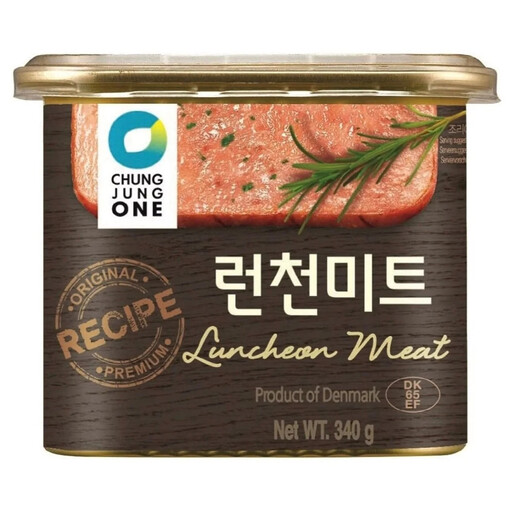
Why This Fits Their Persona: Shoppers seeking Korean-style tinned pork may prefer a 340g format for budae jjigae, fried rice, noodles or sliced, pan-fried servings.
Its product information states the pork percentage, salt level, allergens and storage requirements, making the recipe easier to assess before ordering.
Lists pork at 93%; 340g tin; suitable for slicing and heating in Korean-inspired meals.
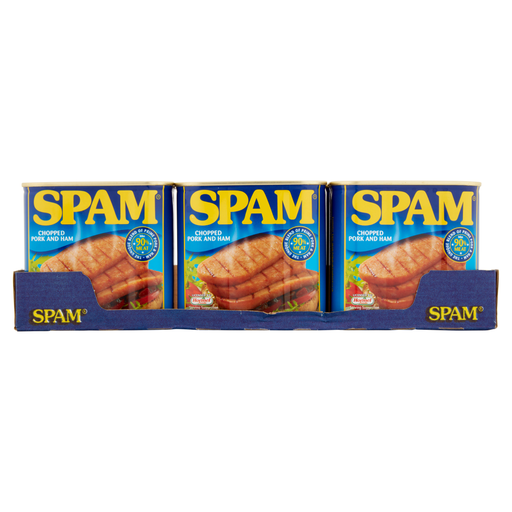
Why This Fits Their Persona: A bulk format suits families, caterers and regular users who already have a rotation of luncheon meat recipes and adequate cupboard space.
The total quantity is clearly stated as 12 x 340g, allowing a straightforward comparison with individual tins and reducing the risk of misjudging pack size.
4.08kg total net quantity; cool, dry storage before opening; consistent pork-and-ham recipe across the case.
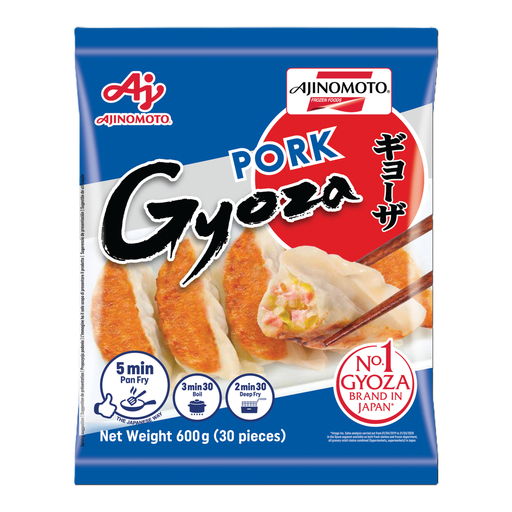
Why This Fits Their Persona: This is not tinned luncheon meat, but it complements a pantry and freezer plan with a quick pork option for weeknight meals, sharing plates and hotpot-style menus.
The preparation guidance clearly says to cook from frozen and not consume raw, avoiding confusion between ready-to-eat meat and frozen convenience food.
600g pack; pork and vegetable filling; suitable for pan-frying from frozen in minutes.
We have compiled a complete, real-time list of products that fully satisfy these strict selection criteria and UK safety regulations.
Some products are fully cooked and can be served hot or cold, such as the listed SPAM Chopped Pork and Ham. Others, including some chicken luncheon meat products, specify cooking before consumption. Always follow the instructions on the individual label.
The exact period varies by product. Several listings advise transferring leftovers to a suitable container, refrigerating them and consuming within two days. Check the packaging rather than assuming all tinned meat has the same storage life.
Common options include sandwiches, omelettes, fried rice, noodle dishes, stir-fries and Korean army stew. Tinned corned beef works well in hash, pies and salads, while frozen pork gyoza or pork hotpot slices can extend a quick meal with a freezer-friendly option.